
Twisting your ankle or taking a hard fall can lead to sudden swelling, making it painful to walk, bend, or even rest comfortably. Swelling is your body’s natural response to injury—it’s part of the healing …
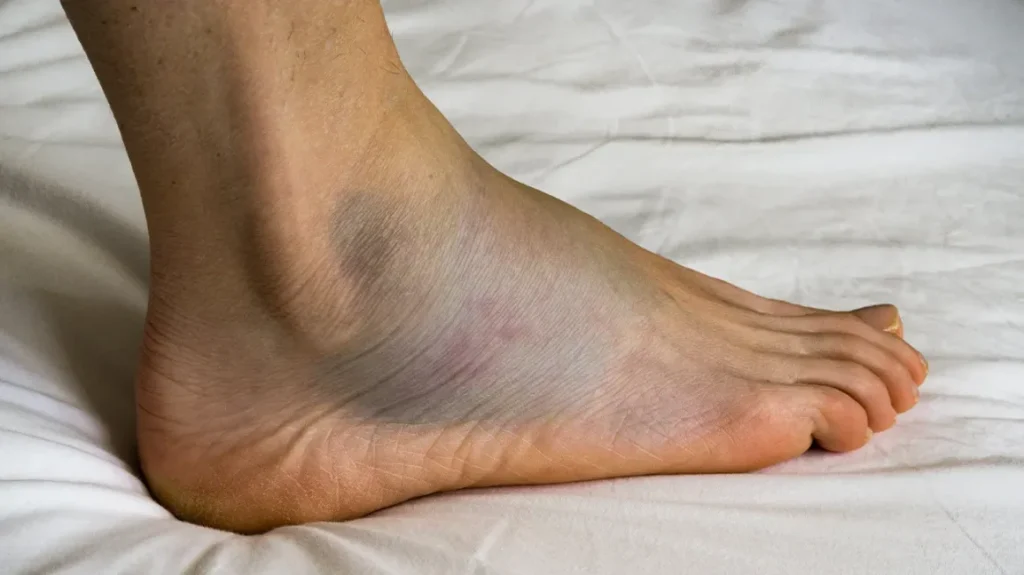
How to Reduce Swelling After a Twist or Fall
July 3, 2025
Twisting your ankle or taking a hard fall can lead to sudden swelling, making it painful to walk, bend, or even rest comfortably. Swelling is your body’s natural response to injury—it’s part of the healing process. However, reducing it quickly can minimize pain, limit bruising, and help you heal faster. Here’s how to manage swelling at home safely and effectively, and when it’s time to see a medical professional.
Why Does Swelling Happen?
When you twist or injure a joint or muscle, tiny blood vessels break and fluid rushes to the area. This leads to puffiness, warmth, and often pain. While it’s a normal immune response, too much swelling can put pressure on surrounding tissues and slow recovery if not treated early.
Home Remedy: How to Reduce Swelling Fast
Use the R.I.C.E. method—Rest, Ice, Compression, and Elevation—as your go-to treatment within the first 48 hours after the injury.
1. 🛌 Rest
- Stop using the injured area as much as possible
- Avoid walking or bearing weight on a swollen ankle, knee, or wrist
- Give the body time to begin repairing damaged tissue
2. 🧊 Ice
- Apply an ice pack wrapped in a thin towel
- Use for 15–20 minutes every 2–3 hours during the first two days
- Reduces inflammation and numbs pain
- Never place ice directly on the skin to avoid frostbite
3. 🧦 Compression
- Wrap the injured area with an elastic bandage or compression sleeve
- Start from below the injury and work your way up
- Wrap firmly but not so tight that it cuts off circulation
- Helps limit swelling and provides mild support
4. 🪜 Elevation
- Raise the swollen area above the level of your heart
- Use pillows to support the limb while resting or sleeping
- Elevation helps drain excess fluid and reduce pressure
What to Watch Out For: When to Seek Urgent Care
While most swelling improves with home care, some symptoms mean it’s time for medical help:
- Severe pain or inability to move the joint
- Swelling that worsens after 48 hours
- Bruising spreading beyond the injury site
- Numbness, tingling, or coldness in the affected limb
- Obvious deformity or bone misalignment
- Inability to bear weight or use the joint normally
These may be signs of a fracture, torn ligament, or more serious injury.
Common Mistakes to Avoid
- ❌ Skipping rest: Using the injury too soon can delay healing
- ❌ Applying heat too early: Heat can increase swelling if used within the first 48 hours
- ❌ Wrapping too tightly: This can cut off circulation and worsen symptoms
- ❌ Ignoring ongoing swelling: Lingering inflammation may signal a more serious injury
Bonus Tips for Faster Recovery
- Stay hydrated to support tissue repair
- Take over-the-counter pain relievers like acetaminophen or ibuprofen (unless advised otherwise)
- Avoid alcohol for the first few days—it can worsen inflammation
- After swelling subsides, try gentle movement or stretching to prevent stiffness
If symptoms get worse or don’t improve, visit your local urgent care provider for professional evaluation.
Hey Did You Know We Have an IV Therapy Spa Inside? Check out our drip menu!



















