
Sprains are among the most common minor injuries, often caused by twisting a joint—like an ankle, wrist, or knee—beyond its normal range of motion. While most mild sprains can be managed at home with rest …
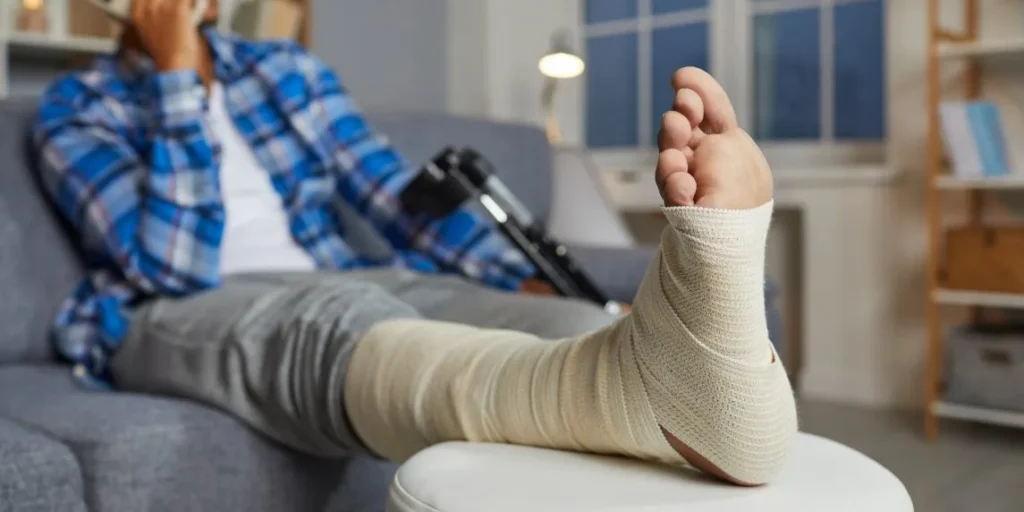
When Rest Isn’t Enough for a Sprain
July 3, 2025
Sprains are among the most common minor injuries, often caused by twisting a joint—like an ankle, wrist, or knee—beyond its normal range of motion. While most mild sprains can be managed at home with rest and basic care, sometimes rest alone isn’t enough. Ignoring a more serious sprain can lead to long-term instability or chronic pain. Here’s how to tell the difference and what to do next.
What Is a Sprain?
A sprain occurs when the ligaments—strong bands of tissue that connect bones—are stretched or torn. This typically results in pain, swelling, bruising, and limited joint movement. Common sprain sites include:
- Ankles (most common)
- Knees
- Wrists
- Thumbs
Sprains are categorized by severity:
- Grade 1: Mild stretching or microscopic tears
- Grade 2: Partial ligament tear
- Grade 3: Complete ligament tear or rupture
Home Remedy: Treating a Mild Sprain
Mild to moderate sprains often respond well to home care using the R.I.C.E. method.
1. 🛌 Rest
- Stop any activity that stresses the injured joint
- Limit weight-bearing or repetitive movement
- Use crutches or a brace if needed
2. 🧊 Ice
- Apply an ice pack wrapped in a towel
- 15–20 minutes every 2–3 hours for the first 48 hours
- Helps reduce pain and inflammation
3. 🧦 Compression
- Use an elastic bandage or support wrap
- Provides light pressure to minimize swelling
- Ensure it’s snug, not tight
4. 🪜 Elevation
- Raise the injured area above heart level
- Use pillows to elevate while resting or sleeping
- Aids in draining fluid and reducing pressure
You can also take over-the-counter pain relievers like acetaminophen or ibuprofen to manage pain and swelling.
When Rest Isn’t Enough: Signs You Need Medical Help
If your sprain doesn’t improve—or gets worse—after a few days of home care, you may be dealing with something more serious. Seek urgent care if you notice:
- Inability to bear weight or move the joint
- Severe swelling that doesn’t go down after 48–72 hours
- Numbness, tingling, or instability
- A “pop” at the time of injury followed by immediate swelling
- Bruising that spreads rapidly or turns dark purple
- Joint looks crooked or misshapen
These signs could indicate a Grade 2 or 3 sprain, a fracture, or ligament rupture—all of which need professional evaluation and possibly imaging or bracing.
Common Mistakes to Avoid
- ❌ Returning to activity too soon: This increases the risk of re-injury
- ❌ Skipping ice therapy: Inflammation can worsen without cold treatment early on
- ❌ Wearing wraps too tight or too long: Can cut off circulation
- ❌ Using heat too early: Heat may increase swelling in the first 48 hours
Extra Tips for Better Recovery
- Wear supportive shoes if recovering from an ankle sprain
- Do gentle range-of-motion exercises once pain and swelling decrease
- Use a brace or tape for added joint stability during activity
- Follow up with physical therapy if stiffness or weakness persists
If symptoms get worse or don’t improve, visit your local urgent care provider for professional evaluation.
Hey Did You Know We Have an IV Therapy Spa Inside? Check out our drip menu!



















