Food poisoning can strike quickly—often just hours after eating something contaminated. Symptoms like nausea, vomiting, diarrhea, and stomach cramps can feel intense, but many mild cases resolve on their own with simple home care. The …
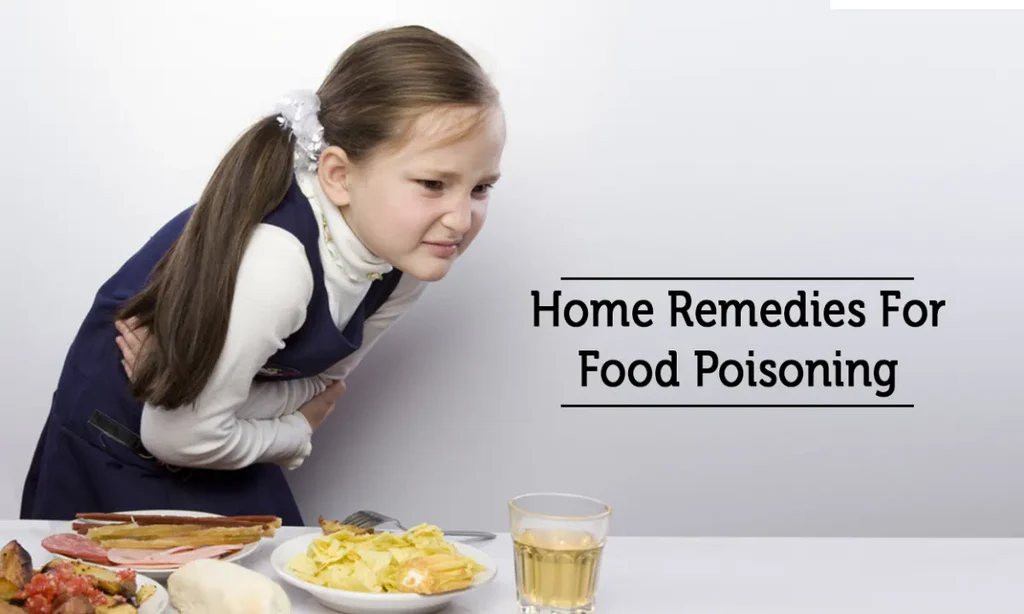
What to Do About Mild Food Poisoning at Home
July 3, 2025
Food poisoning can strike quickly—often just hours after eating something contaminated. Symptoms like nausea, vomiting, diarrhea, and stomach cramps can feel intense, but many mild cases resolve on their own with simple home care. The key is to stay hydrated, rest, and give your digestive system time to recover.
Here’s how to safely manage mild food poisoning at home—and when it’s time to seek urgent care.
Common Causes of Food Poisoning
Food poisoning occurs when harmful bacteria, viruses, or parasites contaminate food or beverages. Common culprits include:
- Undercooked meat, poultry, or seafood
- Unwashed fruits or vegetables
- Improperly stored leftovers
- Contaminated water
- Cross-contamination during meal prep
Symptoms typically appear within a few hours to a day after exposure and can last from a few hours to a few days.
Signs You’re Dealing with Mild Food Poisoning
You may have mild food poisoning if you’re experiencing:
- Nausea
- Vomiting
- Diarrhea
- Stomach cramps
- Mild fever
- Headache or fatigue
Most mild cases don’t require medication or hospitalization.
Step-by-Step Home Care
1. Rest and Let It Pass
Your body’s trying to eliminate the toxin. Rest as much as possible and avoid physical exertion.
2. Hydrate, Hydrate, Hydrate
Vomiting and diarrhea can lead to dehydration. Rehydrate with:
- Water (sip slowly)
- Oral rehydration solutions (like Pedialyte)
- Coconut water or electrolyte drinks
- Clear broths or weak herbal teas
Avoid sugary sodas, caffeine, and alcohol.
3. Ease Back Into Eating
Wait until vomiting has stopped for a few hours before eating again. Then try:
- Bananas
- Applesauce
- Plain rice
- Dry toast or saltine crackers
- Plain boiled potatoes
Avoid fatty, spicy, or dairy-heavy foods until your stomach fully recovers.
4. Avoid Over-the-Counter Anti-Diarrheal Medications
Unless directed by a healthcare provider, avoid using medications like loperamide (Imodium) too soon. These can trap bacteria in your system longer. Let your body clear the infection naturally if symptoms are manageable.
5. Sanitize and Prevent Spread
If you’re caring for someone with food poisoning—or suspect you have it—wash hands often and disinfect surfaces, especially in the kitchen and bathroom.
When to Visit Urgent Care
Mild food poisoning should improve within 1 to 3 days. However, seek medical help if:
- You can’t keep fluids down
- Symptoms last more than 3 days
- You have a high fever (over 101.5°F or 38.6°C)
- You notice bloody stool or vomit
- You’re showing signs of dehydration (dizziness, dry mouth, no urination)
- You are pregnant, have a weakened immune system, or are caring for a baby or elderly adult with symptoms
Medical professionals can provide IV fluids, anti-nausea medications, or run tests to rule out more serious causes.
If symptoms get worse or don’t improve, visit your local urgent care provider for professional evaluation.
Hey Did You Know We Have an IV Therapy Spa Inside? Check out our drip menu!