
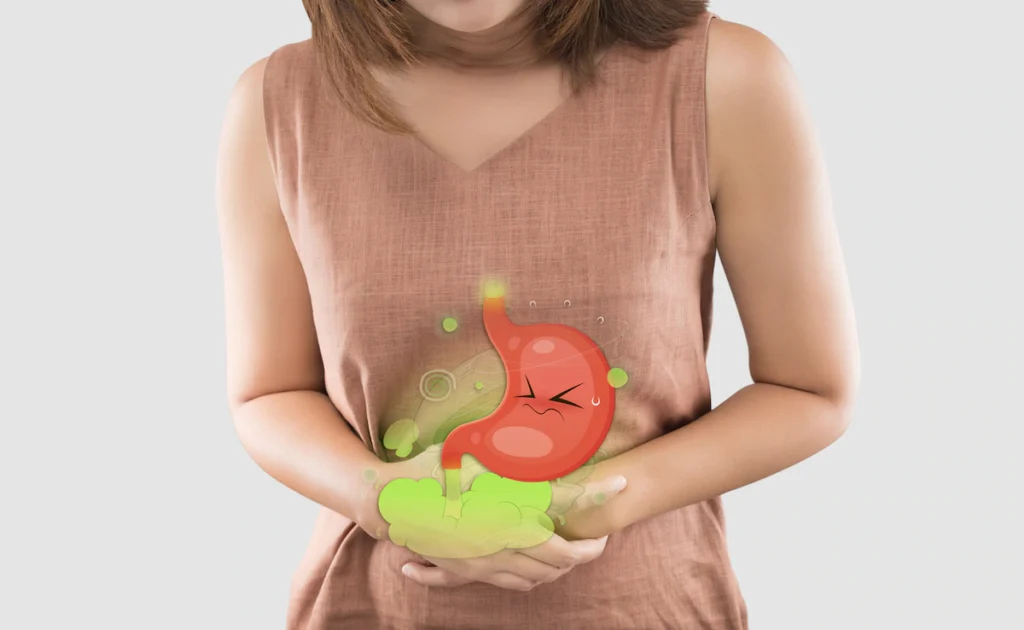
Feeling bloated or gassy after a meal is uncomfortable and sometimes even painful. While occasional bloating is normal, persistent symptoms can get in the way of daily life. The good news? Some foods can actually …
Foods That Can Help with Gas and Bloating
July 3, 2025
Feeling bloated or gassy after a meal is uncomfortable and sometimes even painful. While occasional bloating is normal, persistent symptoms can get in the way of daily life. The good news? Some foods can actually help reduce gas, relieve pressure, and improve digestion—naturally and safely.
If you’re looking for relief, consider incorporating the following foods into your diet and avoiding common triggers that make things worse.
What Causes Gas and Bloating?
Common causes include:
- Eating too fast
- Swallowing air while chewing gum or drinking through straws
- Overeating
- High-fiber or gas-producing foods (beans, onions, cruciferous vegetables)
- Carbonated drinks
- Food intolerances (like lactose or gluten)
- Constipation or gut imbalance
Treating bloating often starts with dietary changes and simple home remedies.
Best Foods to Reduce Gas and Bloating
1. Ginger
A natural anti-inflammatory and digestive aid, ginger helps move gas through the digestive tract and can reduce bloating and nausea.
- Try fresh ginger tea or add grated ginger to meals.
2. Peppermint
Peppermint contains menthol, which can relax the digestive muscles and relieve cramping and gas.
- Drink peppermint tea or chew sugar-free peppermint gum for relief.
3. Cucumbers
High in water content and very low in fiber, cucumbers can help reduce swelling and flush excess sodium from your system.
4. Bananas
Rich in potassium, bananas help balance sodium levels in the body and reduce water retention, a common cause of bloating.
5. Papaya
Papaya contains the enzyme papain, which helps break down proteins and aids digestion. It can ease bloating caused by slow digestion.
6. Fennel Seeds
Chewing fennel seeds or drinking fennel tea may help expel trapped gas and reduce bloating. It’s a traditional remedy that many still use today.
7. Yogurt with Live Cultures
Probiotic-rich yogurt can restore balance to gut bacteria and support better digestion—especially helpful for those with mild lactose sensitivity or IBS.
8. Pineapple
This fruit contains bromelain, another digestive enzyme that helps break down proteins and ease bloating from heavy meals.
Tips for Eating to Avoid Bloating
- Eat slowly and chew your food thoroughly
- Avoid carbonated drinks, which add extra air to your stomach
- Watch your intake of high-fiber foods if you’re not used to them
- Avoid chewing gum or drinking through straws (both can increase swallowed air)
- Stay hydrated, as water helps your digestive system move smoothly
Foods to Limit or Avoid
If you’re prone to bloating, consider cutting back on:
- Beans and lentils
- Broccoli, cabbage, and cauliflower
- Onions and garlic
- Carbonated drinks
- Dairy (if you’re lactose-intolerant)
- Artificial sweeteners like sorbitol or xylitol
When to Seek Urgent Care
While occasional gas and bloating are normal, see a medical provider if:
- Symptoms are persistent or painful
- Bloating is accompanied by vomiting, diarrhea, or unexplained weight loss
- There’s blood in your stool
- You have chronic constipation or feel a mass in your abdomen
Persistent bloating could indicate food intolerances, gut disorders, or other underlying issues.
If symptoms get worse or don’t improve, visit your local urgent care provider for professional evaluation.
Hey Did You Know We Have an IV Therapy Spa Inside? Check out our drip menu!



















