
Few things make a child more miserable than an earache. Whether caused by a cold, fluid buildup, or pressure changes, ear pain can come on quickly and be tough to ignore. While not every earache …
Dealing with Earaches in Kids at Home
July 3, 2025
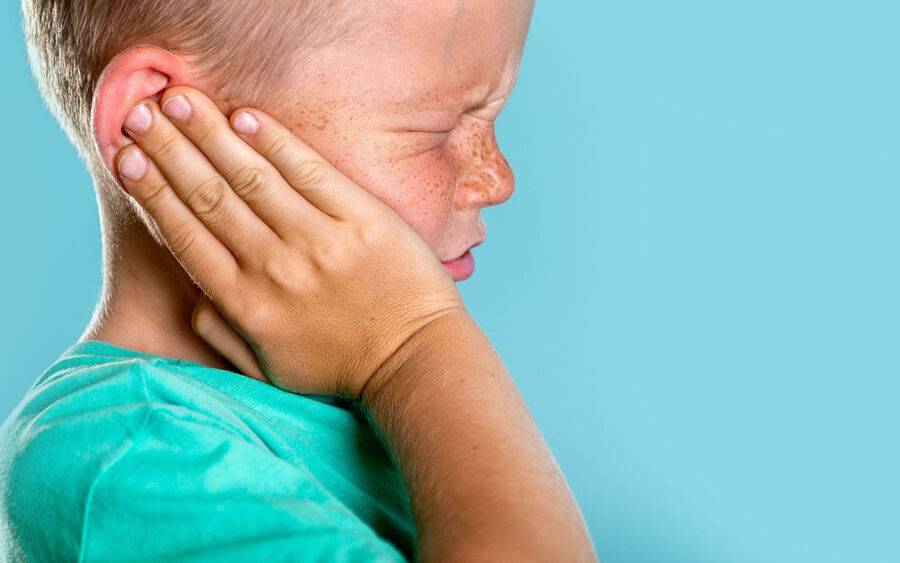
Few things make a child more miserable than an earache. Whether caused by a cold, fluid buildup, or pressure changes, ear pain can come on quickly and be tough to ignore. While not every earache requires antibiotics or a trip to the doctor, knowing how to manage symptoms at home is essential for every parent.
This guide outlines gentle, effective ways to ease your child’s discomfort and how to tell when it’s time for urgent care.
What Causes Earaches in Children?
Common causes include:
- Ear infections (bacterial or viral)
- Fluid buildup after a cold
- Teething-related pain
- Allergies or sinus congestion
- Pressure changes (from flying or swimming)
- Foreign objects or wax buildup
Most earaches are mild and resolve on their own, especially if they’re part of a cold.
Safe Home Remedies for Kids’ Earaches
1. Warm Compress
Apply a warm washcloth or heating pad (on low) to the affected ear for 10–15 minutes. Heat can help ease pain and promote fluid drainage.
2. Over-the-Counter Pain Relief
Offer acetaminophen (Tylenol) or ibuprofen (Advil), based on your child’s age and weight. These can reduce both pain and inflammation.
3. Encourage Rest and Hydration
Have your child rest and sip fluids throughout the day. Staying hydrated thins mucus and promotes drainage from the ears.
4. Keep the Head Elevated
Propping your child up with an extra pillow while resting can help fluid drain and reduce pressure.
5. Use Nasal Saline Spray
If your child has a stuffy nose along with the earache, saline spray or gentle suction can relieve sinus pressure and improve Eustachian tube function.
What NOT to Do
- ❌ Don’t insert anything into the ear, including cotton swabs or drops not approved by a doctor.
- ❌ Don’t use oil or herbal remedies in the ear unless your pediatrician gives the okay.
- ❌ Don’t ignore persistent symptoms—ear pain that lasts more than a day or two may need medical evaluation.
When to Call the Pediatrician or Visit Urgent Care
Seek professional care if your child:
- Has a fever over 100.4°F, especially with ear pain
- Experiences drainage (yellow, white, or bloody fluid) from the ear
- Complains of severe or worsening pain
- Shows signs of hearing loss or balance issues
- Is under 6 months old with any ear pain
- Doesn’t improve after 48 hours of home care
- Has frequent earaches or a history of recurrent infections
How to Help Prevent Future Earaches
- Avoid secondhand smoke exposure
- Dry ears thoroughly after swimming or bathing
- Breastfeed when possible (helps reduce risk of ear infections in infants)
- Keep your child’s allergies and colds well-managed
- Stay up to date with recommended vaccinations
If symptoms get worse or don’t improve, visit your local urgent care provider for professional evaluation.
Hey Did You Know We Have an IV Therapy Spa Inside? Check out our drip menu!



















