
Accidents happen quickly—especially with curious children near hot surfaces, liquids, or steam. If your child suffers a minor burn, it can be frightening. But the good news is: most minor burns can be treated at …
Treating Minor Burns in Children
July 3, 2025
Accidents happen quickly—especially with curious children near hot surfaces, liquids, or steam. If your child suffers a minor burn, it can be frightening. But the good news is: most minor burns can be treated at home with proper first aid and a calm approach.
This guide walks you through safe steps to ease pain, support healing, and recognize when it’s time for urgent care.
How to Recognize a Minor Burn
A first-degree burn is the mildest type and affects only the outer layer of skin. Signs include:
- Redness
- Mild swelling
- Pain or tenderness
- No blisters
These often result from brief contact with hot water, sun exposure, or touching a warm object like a pan or curling iron.
What to Do Immediately After a Burn
1. Cool the Burn Right Away
Hold the affected area under cool (not cold) running water for 10–15 minutes. This helps:
- Stop the burning process
- Reduce swelling
- Ease pain
If running water isn’t available, use a clean, cool compress instead.
2. Remove Tight Items
Gently remove any rings, bracelets, or clothing near the burn site before swelling begins. Do not try to pull off anything stuck to the burn.
3. Clean Gently
After cooling the burn, wash the area with mild soap and water. Pat it dry with a clean towel—do not scrub.
How to Care for a Minor Burn at Home
4. Apply a Soothing Ointment
Use a thin layer of:
- Aloe vera gel
- Petroleum jelly (Vaseline)
- Over-the-counter burn ointment
Avoid butter, oils, or ice—these can worsen the injury.
5. Cover With a Nonstick Bandage
If needed, cover the burn with a sterile, nonstick bandage to protect the area and keep it clean. Change the dressing daily or if it gets wet or dirty.
6. Manage Discomfort
For pain, offer acetaminophen (Tylenol) or ibuprofen (Motrin) in age-appropriate doses.
When to Call the Doctor or Visit Urgent Care
Seek medical attention if:
- The burn is larger than 2–3 inches
- It’s on the face, hands, feet, genitals, or joints
- Blisters form or burst
- There are signs of infection (pus, swelling, fever, red streaks)
- Your child is under 1 year old
- You’re unsure how severe the burn is
Better safe than sorry—when in doubt, let a medical professional assess it.
Tips to Prevent Future Burns
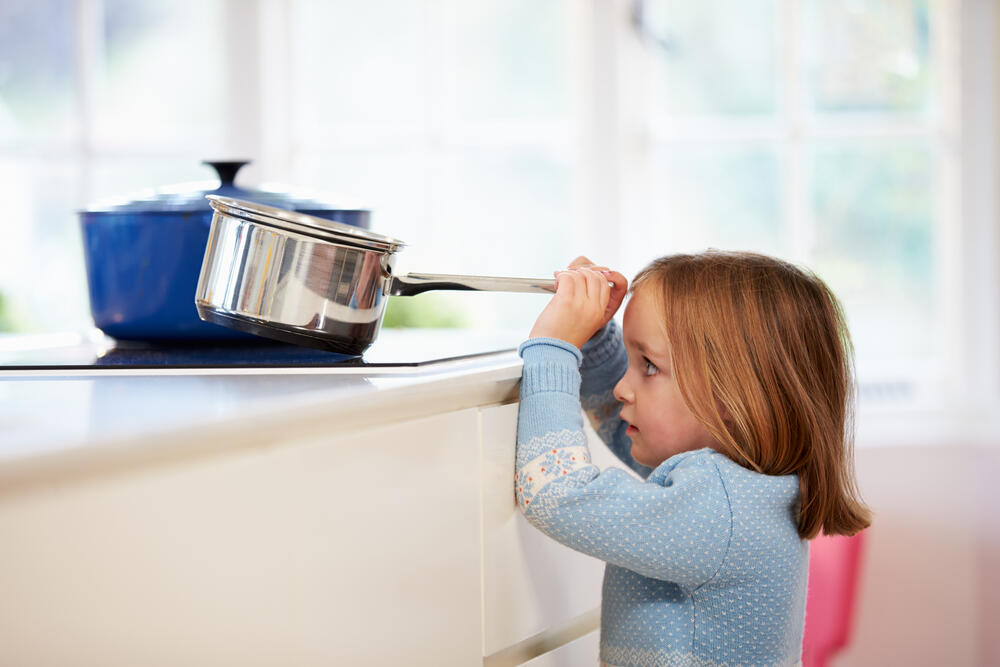
- Keep hot liquids and cooking pans out of reach
- Turn pot handles toward the back of the stove
- Use protective guards on outlets, stoves, and radiators
- Always test bath water before placing your child in it
- Teach kids to stay away from hot appliances and open flames
If symptoms get worse or don’t improve, visit your local urgent care provider for professional evaluation.
Hey Did You Know We Have an IV Therapy Spa Inside? Check out our drip menu!



















