
A little redness in the eye can be caused by a number of things—from fatigue to allergies to staring at a screen too long. But what if the redness doesn’t go away? Or worse, what …
How to Tell If Your Red Eye Is Actually an Infection
July 3, 2025
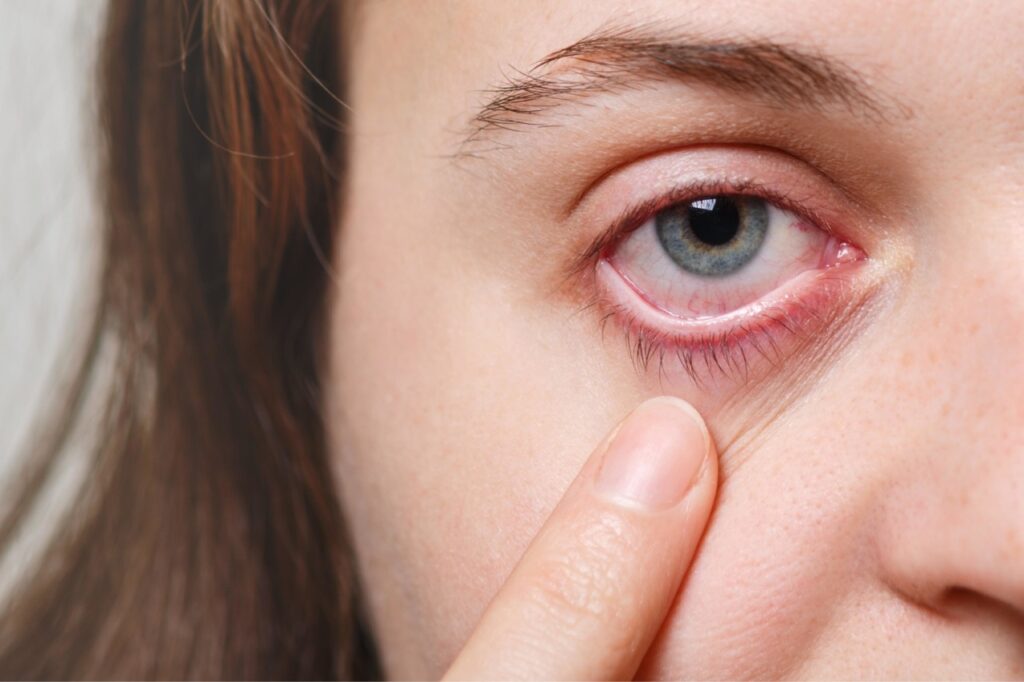
A little redness in the eye can be caused by a number of things—from fatigue to allergies to staring at a screen too long. But what if the redness doesn’t go away? Or worse, what if it starts getting more uncomfortable? While many cases of red eyes are harmless, some can signal an infection that requires medical attention.
Understanding the difference can help you respond appropriately and avoid complications.
What Does Eye Redness Really Mean?
Redness occurs when the tiny blood vessels in your eye become dilated or irritated. This is common and often temporary. Some of the most common non-infectious causes include:
- Lack of sleep
- Dry or dusty air
- Allergic reactions
- Long hours at a screen
- Wearing contacts too long
In these cases, the redness is usually mild and goes away on its own with rest or lubricating drops. But if redness comes with other symptoms, it could indicate something more serious—like an eye infection.
Signs That Redness May Be an Eye Infection
Infections can affect different parts of the eye, including the outer membrane (conjunctiva), eyelids, or tear ducts. Some common infectious conditions include conjunctivitis (pink eye), blepharitis, and styes.
Watch for these signs that your red eye might be infected:
- Thick yellow or green discharge
Mucus or crust buildup, especially in the morning, often points to bacterial pink eye. - Pain or stinging sensation
Mild irritation is normal, but pain could indicate inflammation or infection. - Light sensitivity
If your eyes are unusually sensitive to light, it may be more than simple irritation. - Blurry vision
Infections can affect your ability to see clearly and require prompt treatment. - Swelling of eyelids
A swollen lid may be a sign of a stye or bacterial infection. - Redness that spreads or worsens
Instead of improving, the redness becomes more widespread or intense. - Fever or general illness
Systemic symptoms could signal a viral or bacterial infection affecting the eye.
What You Can Do at Home
For mild symptoms without pain or discharge, you can try the following at home:
- Use preservative-free artificial tears every few hours
- Apply a clean, cold compress to reduce swelling
- Avoid contact lenses until the redness resolves
- Keep hands clean and away from your eyes
If you wear makeup or eye creams, it’s best to stop using them until the eye returns to normal. Always avoid sharing towels or pillowcases during this time.
When to Seek Urgent Care
While many mild cases can be managed at home, certain red eye symptoms call for professional evaluation:
- Redness that lasts more than 48 hours
- Eye pain or pressure
- Any vision changes
- Fever or signs of general infection
- Discharge that continues throughout the day
- If you’re a contact lens user with eye discomfort
Infections can worsen quickly without the right care. Urgent care can provide a proper diagnosis and, if needed, prescribe antibiotic or antiviral drops.
Avoid These Common Mistakes
- Don’t self-medicate with old eye drops – They could be expired or contaminated
- Don’t use someone else’s medication – You could introduce new bacteria
- Don’t rub your eyes – It increases the risk of spreading infection
- Don’t wear contacts if your eye is red—no exceptions
Tips to Prevent Future Eye Infections
- Wash your hands often, especially before touching your eyes
- Replace contact lenses and cases as recommended
- Never sleep in lenses unless instructed
- Remove makeup before bed and avoid expired products
- Don’t share cosmetics or eye care items
Red eyes are common, but persistent redness paired with discharge, discomfort, or swelling could signal an infection. Early attention can prevent the condition from worsening and protect your eyesight.
If symptoms get worse or don’t improve, visit your local urgent care provider for professional evaluation..
Hey Did You Know We Have an IV Therapy Spa Inside? Check out our drip menu!
blurry vision and eye rednessburning eyesconjunctivitis signscrusty eyelidseye dischargeeye infection from contactseye infection symptomseye irritation helpeye sensitivitylight-sensitive eyespink eye signsred eye causered itchy eyessafe eye home carestye treatmentswollen eyelid remedyurgent care for eyesviral eye infectionwhen to see a doctor for red eyes



















