
A splinter may be small, but when it’s lodged in your toddler’s foot or finger, it can lead to big drama. The moment tweezers appear, many kids become resistant, fearful, or downright uncooperative. Still, most …
Removing a Splinter from a Busy Toddler: What Parents Need to Know
July 3, 2025
A splinter may be small, but when it’s lodged in your toddler’s foot or finger, it can lead to big drama. The moment tweezers appear, many kids become resistant, fearful, or downright uncooperative. Still, most splinters are minor and can be removed at home safely—with the right combination of patience, preparation, and calm.
This guide walks you through how to remove a splinter from a wiggly toddler without tears, stress, or unnecessary struggle.
Step 1: Keep Your Toddler Calm Before You Begin
How you handle the first few minutes matters. Don’t rush toward the splinter with tools in hand. Instead, try to create a calm atmosphere.
- Use simple, reassuring language like “We’re going to take out the tiny stick”
- Avoid words like “needle” or “cut,” which can trigger anxiety
- Sit your child in a familiar spot, like your lap or the couch
- Offer a distraction—this could be a favorite show, song, or toy
Children are more likely to stay still when they feel safe and heard.
Step 2: Clean the Area with Soap and Warm Water
Before you attempt to remove the splinter, gently wash the area with soap and warm water. This helps reduce the chance of infection and clears away dirt that may hide the splinter.
- Pat the area dry with a clean towel
- Position your toddler so you have a clear view of the splinter
- Make sure your tools (tweezers and, if needed, a sewing needle) are cleaned with rubbing alcohol
Good lighting—like sunlight near a window or a bright desk lamp—can make a big difference.
Step 3: Assess the Splinter’s Position and Depth
A quick inspection can help you decide the best removal approach.
- Shallow splinter sticking out: You can try the tape method first
- Partially embedded splinter: Tweezers will likely work
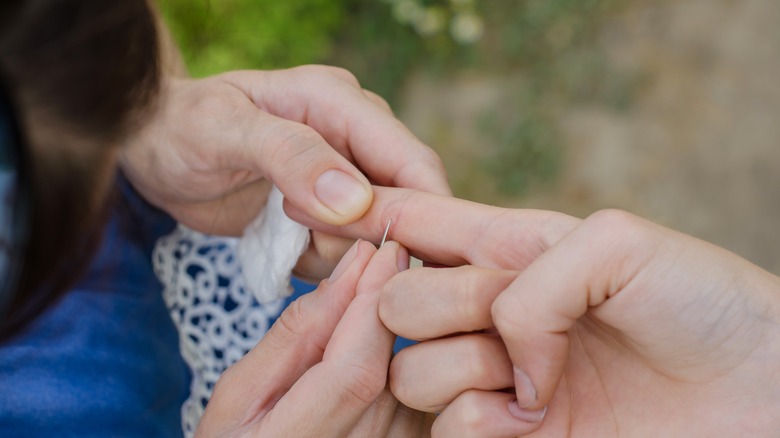
- Fully embedded or not visible: You may need a sterilized needle to lift the skin gently
Avoid poking or digging blindly. If the splinter isn’t easy to access or your child is too upset, it’s okay to stop and try again later.
Step 4: Try the Tape or Tweezers Method
For surface-level splinters:
- Press a piece of clear tape or medical tape over the area
- Gently peel it back in the direction the splinter entered
- Repeat once or twice—if it doesn’t work, move to tweezers
For splinters partially above the skin:
- Use sterilized tweezers to grip the exposed part of the splinter
- Pull it out slowly and in the same direction it entered
- If your toddler moves too much, pause and re-center them with gentle touch or distraction
If the splinter breaks or resists removal, don’t force it. Applying too much pressure can push it deeper or break it off.
Step 5: Clean the Site and Apply a Bandage
After the splinter is out:
- Wash the skin again with soap and water
- Dab a small amount of antibiotic ointment on the area
- Cover it with a bandage to keep dirt out, especially if it’s on the foot or hand
- Offer praise and comfort to your toddler—they did something brave
Monitor the area over the next couple of days for signs of redness or swelling.
When to Visit Urgent Care
Not every splinter needs professional removal, but some situations call for expert care:
- The splinter is deeply embedded and won’t budge
- It’s under a fingernail, in the face, or near the eye
- You notice pus, warmth, or red streaks around the site
- Your child’s immunizations (like tetanus) are out of date
- Your toddler is in significant pain and resists any touch to the area
Urgent care providers can use numbing agents or specialized tools to remove the splinter safely and painlessly.
Mistakes Parents Should Avoid
- Don’t squeeze the area—this may drive the splinter in deeper
- Avoid forcing removal when your child is kicking or thrashing
- Never dig with an unsterile object or push beyond the surface layer of skin
- Don’t leave the splinter in and hope it will come out on its own—some do, but others cause irritation or infection
The key is to stay calm, take your time, and know when to hand it off to a provider.
If symptoms get worse or don’t improve, visit your local urgent care provider for professional evaluation.
Hey Did You Know We Have an IV Therapy Spa Inside? Check out our drip menu!
calm toddler medicalchild wound cleaningdistraction during injuryfoot splinter toddlergentle splinter removalhand splinter toddlerkids injury guideparenting health tipspediatric splinter helpremove splinter pain-freesplinter removal toddlersplinter tweezers usetape trick splintertoddler home caretoddler minor injurytoddler safetyurgent care guidanceurgent care kidswound care children



















