A moment of distraction near the stove, curling iron, or coffee machine is all it takes to get a first-degree burn. Though these burns only affect the top layer of skin, the pain can be …
First Response for a Mild Burn: What to Do Right Away
July 3, 2025
A moment of distraction near the stove, curling iron, or coffee machine is all it takes to get a first-degree burn. Though these burns only affect the top layer of skin, the pain can be immediate and uncomfortable. The good news is that with the right steps taken immediately after the injury, you can ease the discomfort and promote quicker healing.
This guide walks you through exactly what to do in those first few minutes following a minor burn.
Recognizing a First-Degree Burn
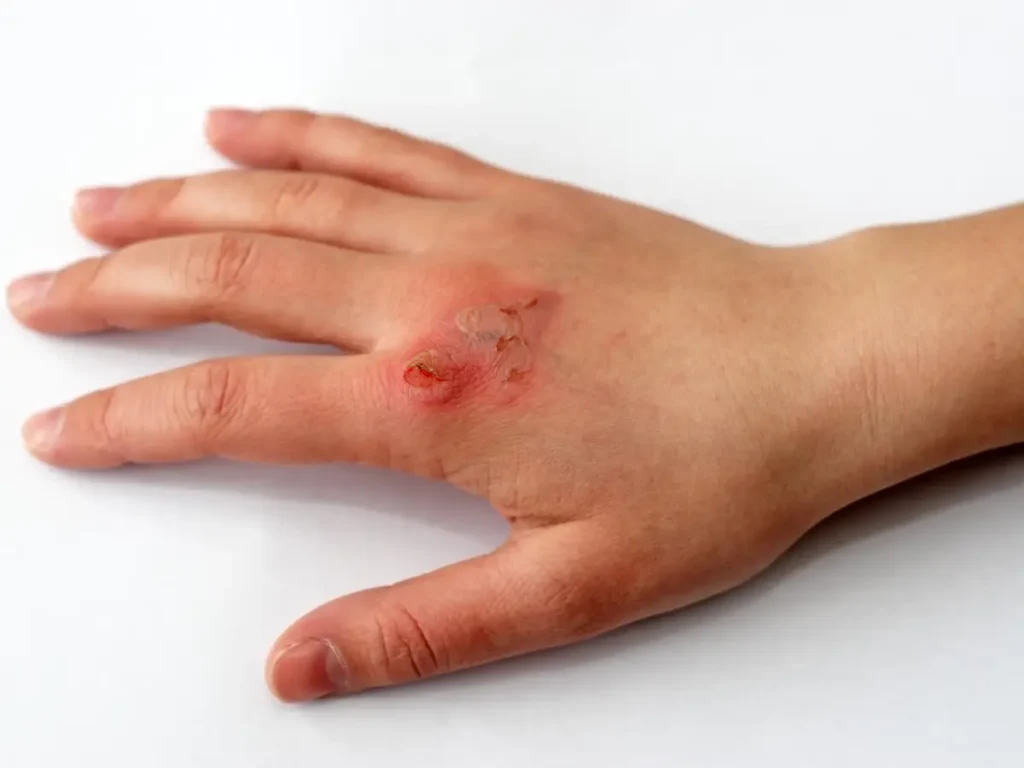
First-degree burns affect only the outer layer of the skin (epidermis). These are the mildest type of burns and are usually caused by short contact with heat—like hot water, steam, a curling iron, or brief sun exposure.
Signs of a first-degree burn include:
- Redness and warmth
- Mild swelling
- Pain or tenderness
- Skin that may peel during healing
- No blistering (that’s typical of second-degree burns)
Step-by-Step: What to Do Right After the Burn
Time matters when it comes to treating a burn. Taking these actions right away can help relieve pain and prevent further skin damage:
- Cool the Skin Immediately
Run cool (not ice-cold) water over the burn for 10–15 minutes. This helps lower skin temperature, stop the burning process, and soothe the area. - Remove Anything Constricting
If the burn is near rings, watches, bracelets, or tight clothing, gently remove them before swelling sets in. - Clean the Area Gently
Use mild soap and lukewarm water to clean the skin after cooling. Avoid scrubbing—just rinse and pat dry with a clean towel. - Apply a Moisturizer or Gel
A thin layer of aloe vera or a water-based moisturizer can help calm the skin. Avoid products with alcohol, fragrance, or oil, which can irritate burned tissue. - Cover Only If Necessary
Most first-degree burns can be left uncovered. If the area is exposed to friction or dirt, use a non-stick sterile bandage to protect it. - Take Pain Relief If Needed
Over-the-counter options like ibuprofen or acetaminophen can help manage soreness and reduce inflammation.
Things to Avoid After a Burn
Some well-meaning remedies can actually make a burn worse. Skip these common mistakes:
- No ice or icy water – Extreme cold can damage the skin even more.
- Don’t use butter or oil – These trap heat and slow healing.
- Avoid toothpaste – It may seem cooling but can irritate the skin.
- Don’t break any blisters – First-degree burns don’t usually blister, but if one forms, don’t pop it.
When a Minor Burn Needs Medical Help
Even if the burn seems small, there are times when it should be looked at by a healthcare provider:
- It covers a large area (especially on children or older adults)
- It affects the face, hands, feet, groin, or joints
- It continues to worsen instead of improving
- There are signs of infection like redness, pus, or fever
- Pain remains severe after 48 hours
When in doubt, it’s safest to check in with urgent care to make sure proper healing is on track.
Tips for Faster Healing and Comfort
- Hydrate the skin regularly as it heals
- Stay out of the sun—UV rays can slow recovery and increase sensitivity
- Avoid tight clothing over the burn site
- Keep skin clean to avoid infection and scarring
- Let it breathe unless the area is at risk of irritation
Most first-degree burns heal within 5 to 7 days without leaving scars, especially if treated promptly and gently.
Burns can happen in an instant, but a calm and informed response can make a big difference. Knowing how to treat minor burns at home keeps you comfortable and helps your skin heal naturally—without complications.
If symptoms get worse or don’t improve, visit your local urgent care provider for professional evaluation.
Hey Did You Know We Have an IV Therapy Spa Inside? Check out our drip menu!
aloe vera for burnsavoid infection in burnburn pain reliefcold water burn aidfirst-degree burnhealing skin burnhome burn remedieshot surface injuryhow to treat a burnmild burn first aidminor burn carescald burn treatmentskin burn recoverysoothing skin after burnsteam burnsunburn treatmenttreating red skinurgent care burnswhen to seek care