
From paper cuts to accidental scrapes, minor wounds are a normal part of life. While most small cuts don’t require a trip to the doctor, they still deserve proper care to prevent infection and promote …
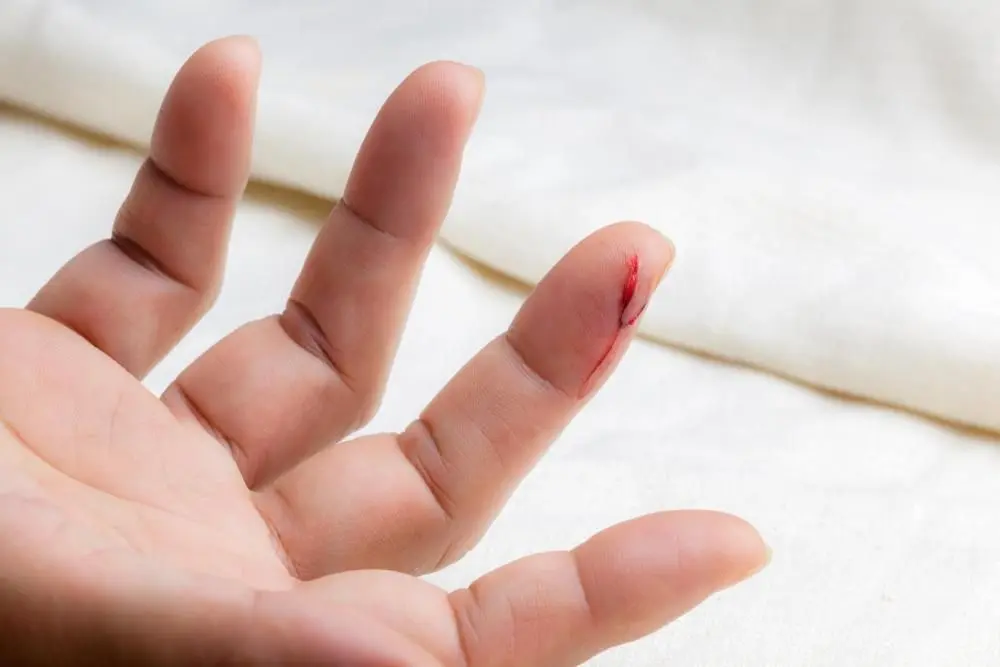
The Right Way to Care for a Small Cut—and Know When It’s More Serious
July 3, 2025
From paper cuts to accidental scrapes, minor wounds are a normal part of life. While most small cuts don’t require a trip to the doctor, they still deserve proper care to prevent infection and promote healing. In a few situations, though, a cut may need more than a bandage.
Here’s what you need to know about treating minor cuts at home—and how to recognize when urgent care or stitches are the safer route.
Step 1: Wash Your Hands Before You Begin
Before touching the wound, clean your hands with soap and water. This step prevents bacteria from entering the open skin and causing infection.
If available, wear disposable gloves—especially when helping someone else—so you don’t introduce additional germs to the wound.
Step 2: Control the Bleeding
Minor cuts usually stop bleeding within a few minutes. To help:
- Apply firm, gentle pressure with a clean cloth or sterile gauze
- Hold it in place without lifting until the bleeding slows
- If possible, raise the injured area above heart level
Persistent bleeding after 10 minutes of pressure may mean the cut is deeper than it looks—get it checked by a medical provider.
Step 3: Rinse and Clean the Cut
Once bleeding is under control, rinse the wound gently under cool running water to flush out dirt or particles. Avoid hydrogen peroxide or rubbing alcohol—they can harm healthy tissue and delay healing.
You can use mild soap to clean around the cut but avoid scrubbing directly over the open skin.
Step 4: Remove Any Visible Debris
If dirt or splinters are visible, use clean tweezers disinfected with alcohol to carefully remove them. Avoid digging or probing the wound—if you can’t get it out easily, let a healthcare professional handle it.
Any foreign object left behind increases the risk of infection.
Step 5: Apply Ointment and Dress the Wound
After cleaning:
- Apply a thin layer of antibiotic ointment like Neosporin to prevent infection
- Cover the area with a bandage or sterile dressing, depending on the size
- Change the dressing daily or anytime it gets wet or dirty
Keep the wound clean and dry while it begins to heal.
Step 6: Watch the Healing Process
Most small cuts start healing within a few days and close completely in 1–2 weeks. During that time, keep an eye out for:
- Redness spreading around the cut
- Pus or cloudy discharge
- Swelling or increasing pain
- Warmth near the wound
These may be signs of infection that require medical attention.
When to Seek Stitches or Urgent Care
Not all wounds heal well on their own. You should seek medical help if the cut:
- Is deep, jagged, or longer than ½ inch
- Has edges that won’t stay together
- Was caused by a dirty or rusty object
- Exposes underlying tissue or fat
- Continues bleeding despite pressure
- Occurs on the face, hands, feet, or near joints
- Is the result of an animal or human bite
Also, if you haven’t had a tetanus shot in the past 5 years, a booster may be needed for certain cuts.
Pro Tips for Smooth Healing
- Don’t pick scabs. Let them fall off naturally to reduce scarring
- Avoid soaking the wound. Skip swimming or long baths until it’s sealed
- Use sunscreen on healing skin to prevent long-term discoloration
- Keep your first aid kit stocked with the essentials: gloves, gauze, bandages, tweezers, and ointment
Minor cuts are common and often harmless—but good wound care matters. With the right steps, you can protect against complications and support faster healing. And when in doubt, professional care is just around the corner.
If symptoms get worse or don’t improve, visit your local urgent care provider for professional evaluation.
Hey Did You Know We Have an IV Therapy Spa Inside? Check out our drip menu!



















