
Splinters are an unavoidable part of growing up. Whether it’s from wooden playground equipment, a rough stick, or a barefoot stroll on the deck, toddlers are especially prone to getting tiny slivers in their hands …
What to Do When Your Toddler Gets a Splinter (Without a Struggle)
July 3, 2025
Splinters are an unavoidable part of growing up. Whether it’s from wooden playground equipment, a rough stick, or a barefoot stroll on the deck, toddlers are especially prone to getting tiny slivers in their hands or feet. But when your child is wiggly, nervous, or uncooperative, even a simple splinter removal can turn into a major ordeal.
Thankfully, you don’t have to rush to urgent care for every splinter. With a calm approach and the right steps, most splinters can be removed at home—no drama required.
Step 1: Stay Calm and Create a Soothing Environment
The most important thing you can do at the start is set a calm tone. If you act nervous, your toddler will pick up on it.
Here’s how to prepare:
- Sit in a well-lit room, ideally with natural light or a bright lamp
- Use soft, reassuring language (“We’re just going to take out a little piece so it feels better”)
- Gather your supplies ahead of time: clean tweezers, rubbing alcohol, soap, a washcloth, and a small bandage
Avoid making the situation feel urgent. Treat it like a normal part of getting a scrape or bump.
Step 2: Gently Wash the Area
Before doing anything else, clean the affected skin. This keeps germs away and helps you clearly see where the splinter is.
- Wash the skin with warm water and mild soap
- Pat dry with a clean towel
- Avoid alcohol or harsh antiseptics at this stage—they can sting and increase resistance
If your child resists washing, try letting them help with the washcloth or distract them with a toy.
Step 3: Evaluate the Splinter
Not all splinters need the same removal method. Take a close look:
- Is it sticking out of the skin?
- Is it under the surface but visible?
- Is it too deep to safely reach?
If the splinter is shallow or sticking out, removal will likely be quick. If it’s fully under the skin, don’t force it—some splinters require medical removal.
Step 4: Choose the Right Removal Technique
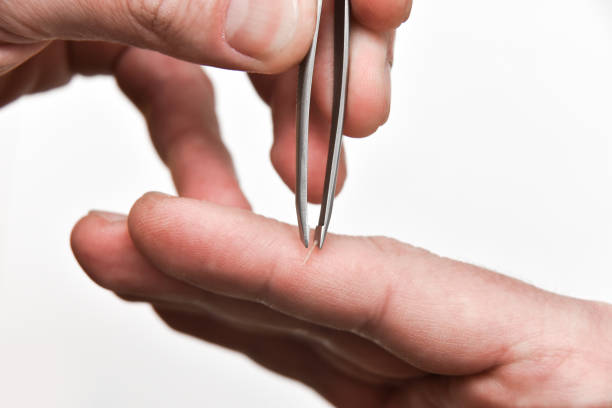
For exposed or shallow splinters:
- Use clean tweezers (wiped with rubbing alcohol)
- Hold your child’s hand or foot still—gently but securely
- Pull the splinter out in the same direction it entered
- Avoid squeezing, which can push the splinter deeper
For tiny, surface splinters:
- Try the tape method: Press a piece of adhesive tape (like medical tape or even clear tape) firmly onto the skin
- Peel it off in the direction the splinter entered
- This technique is often painless and quick
Distraction helps—offer a video, toy, or have someone else talk to them during the process.
Step 5: Clean Again and Apply a Bandage
Once the splinter is out:
- Wash the area again with soap and water
- Apply a bit of antibiotic ointment if needed
- Cover with a small bandage if the area is sensitive or may get dirty
Let your child choose the bandage if possible—it gives them a sense of control and makes the process feel less scary.
When to Visit Urgent Care
Some splinters are better handled by a provider. Seek help if:
- The splinter is under a fingernail or in a joint
- You can’t reach it without digging or cutting the skin
- Your child’s skin becomes red, warm, or swollen
- There’s pus, drainage, or signs of infection
- Your toddler is overdue for tetanus immunization
Splinters near the eye, genitals, or deeply embedded in soft tissue should always be assessed by a medical professional.
What to Avoid
- Don’t try to remove a splinter while your child is thrashing or resisting
- Never use dirty tools or push the splinter in further
- Avoid promising “no pain” unless you’re confident—honesty builds trust over time
- Don’t leave pieces behind—if part of the splinter breaks off, it could cause infection later
Some toddlers respond best if you wait and try again later. If removal isn’t going well, take a break rather than pushing forward.
If symptoms get worse or don’t improve, visit your local urgent care provider for professional evaluation.
Hey Did You Know We Have an IV Therapy Spa Inside? Check out our drip menu!



















