Most people will deal with red or bloodshot eyes at some point. While it’s often nothing more than dry air, allergies, or fatigue, red eyes can also be a sign of something more serious—an eye …
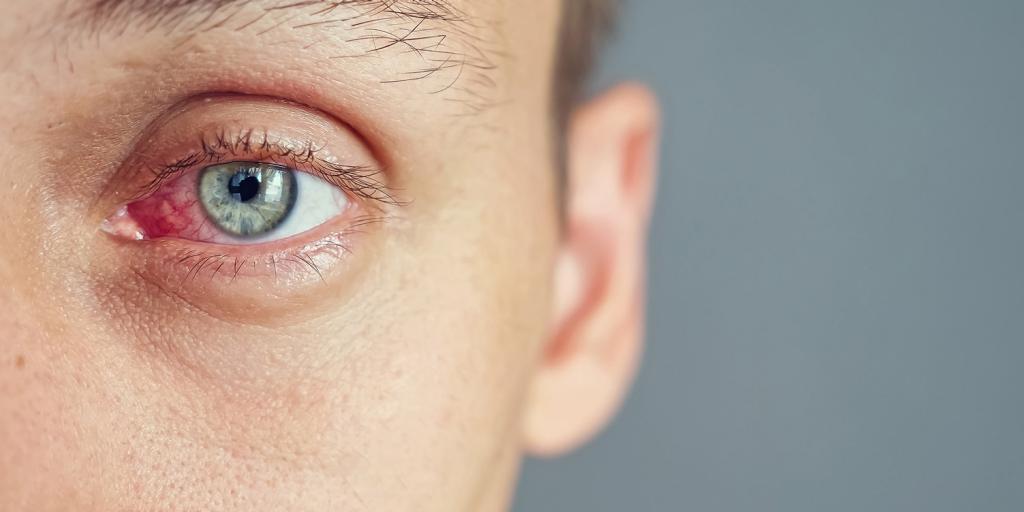
Recognizing When Red Eyes Signal an Eye Infection
July 3, 2025
Most people will deal with red or bloodshot eyes at some point. While it’s often nothing more than dry air, allergies, or fatigue, red eyes can also be a sign of something more serious—an eye infection. Knowing how to tell the difference between minor irritation and infection is key to protecting your vision and preventing complications.
What Causes Red Eyes?
The white part of your eye (the sclera) contains many tiny blood vessels. These vessels can become inflamed or dilated in response to irritation, dryness, allergens, or trauma. In these cases, redness usually fades with rest, artificial tears, or time.
However, if redness is accompanied by certain symptoms, it may point to an underlying infection that needs medical attention.
Common Eye Infections That Cause Redness
Eye infections can affect different parts of the eye. The most frequent types include:
- Conjunctivitis (Pink Eye): Inflammation of the thin membrane covering the white of the eye and the inner eyelid. Can be viral, bacterial, or allergic.
- Styes: Infected oil glands in the eyelid that create a painful lump.
- Blepharitis: Chronic inflammation of the eyelid margins, often linked to bacteria.
- Keratitis: Inflammation of the cornea, often caused by infection or contact lens overuse.
Signs That Your Red Eye Might Be Infected
Here are symptoms that may suggest an infection instead of simple eye irritation:
- Discharge or crusting – Yellow, green, or white mucus, especially after sleep.
- Pain or stinging – Discomfort beyond mild irritation.
- Eyelid swelling – Puffy or inflamed eyelids.
- Light sensitivity – Unusual discomfort in bright environments.
- Watery eyes with redness – A classic sign of viral conjunctivitis.
- Blurry vision or trouble seeing – May signal more serious eye inflammation.
- Both eyes involved – Infections often start in one eye but can spread quickly.
- Redness that worsens or doesn’t go away – Persistent inflammation is a red flag.
What to Do at Home for Mild Symptoms
If your red eye seems mild and not clearly infected, there are a few things you can do to relieve discomfort while monitoring symptoms:
- Use artificial tears – Lubricating drops help flush out irritants.
- Apply a cold compress – Reduces swelling and soothes inflammation.
- Rest your eyes – Reduce screen time and bright light exposure.
- Practice good hygiene – Wash hands frequently and avoid rubbing your eyes.
If there’s no improvement after a day or two—or if new symptoms develop—seek medical help.
When to See a Medical Provider
You should visit urgent care or an eye doctor if:
- Redness persists for more than 48 hours
- Pain or pressure increases
- Your vision becomes blurry
- You experience discharge that returns throughout the day
- You wear contact lenses and feel discomfort or see redness
- Your eyelids swell noticeably or form a bump
Prompt treatment can prevent complications like corneal damage or spreading infection.
What Not to Do
- ❌ Don’t use expired or someone else’s eye drops – This can make things worse.
- ❌ Don’t wear contact lenses until the redness clears.
- ❌ Don’t share towels, washcloths, or makeup – You may spread infection.
- ❌ Avoid touching or rubbing your eyes – This irritates the area and increases infection risk.
Prevention Tips for Healthy Eyes
- Always wash your hands before touching your face or eyes
- Clean and replace contacts and cases as instructed
- Avoid sleeping in contacts unless prescribed to do so
- Remove makeup before bed
- Replace old or shared eye makeup
- Use protective eyewear in dusty or windy conditions
Redness in your eye might be minor, or it could be your body warning you of an infection. Pay attention to additional symptoms, and don’t hesitate to get care when things don’t feel right.
If symptoms get worse or don’t improve, visit your local urgent care provider for professional evaluation.
Hey Did You Know We Have an IV Therapy Spa Inside? Check out our drip menu!
blepharitis symptomsburning eyes remedyconjunctivitis treatmentcontact lens infectioneye crust in the morningeye discharge causeseye pain and dischargeeye redness symptomshow to treat red eyesitchy red eyespink eye warning signsred eye and blurry visionred eye infectionstye vs pink eyeswollen eyelid helpswollen eyes with rednessurgent care for red eyesviral vs bacterial pink eyewhen to visit urgent care for eye