
Eye redness can sneak up on you—after a long day staring at a screen or a few hours in dry air. But sometimes, that redness is more than just irritation. It could be the first …
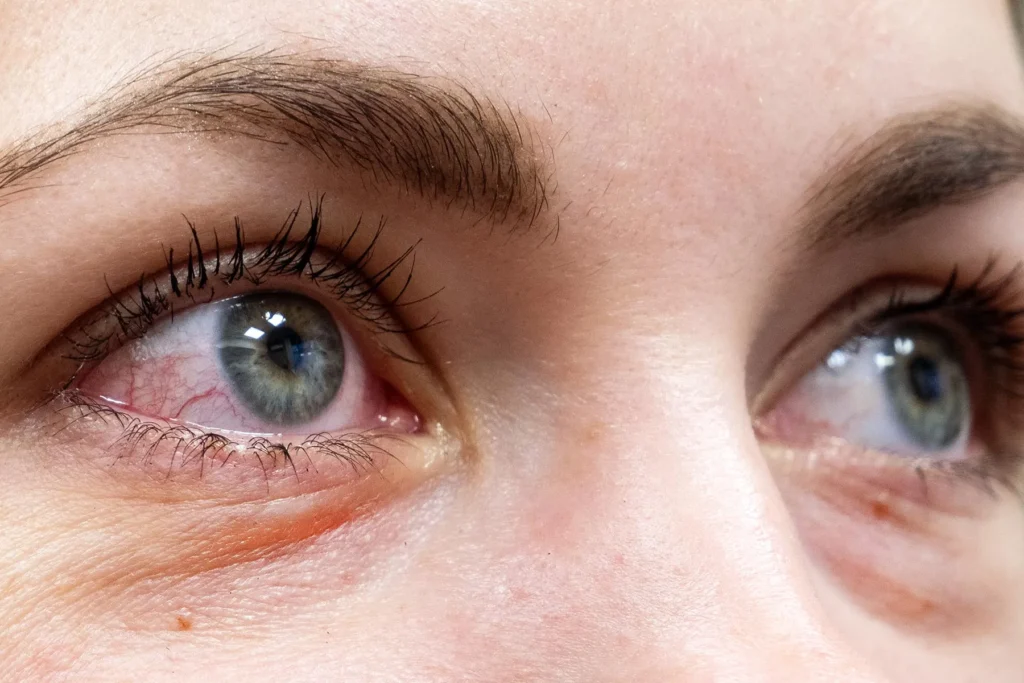
Not Just Tired Eyes: Spotting Eye Infections Behind Redness
July 3, 2025
Eye redness can sneak up on you—after a long day staring at a screen or a few hours in dry air. But sometimes, that redness is more than just irritation. It could be the first sign of an eye infection, especially if it comes with discomfort or vision changes.
Knowing how to distinguish harmless red eyes from infection-related redness can help protect your vision and prevent the spread of illness.
Redness Is Common, But Not Always Harmless
Bloodshot eyes happen when small blood vessels on the eye’s surface expand due to irritation or inflammation. Some causes are no big deal and usually go away with rest:
- Allergies
- Dry air or dust exposure
- Extended screen time
- Contact lens irritation
- Mild environmental irritants (like smoke or chlorine)
These cases typically resolve within 24 to 48 hours with rest, artificial tears, and good hygiene.
Red Flags: When Redness Could Mean Infection
When redness comes with other symptoms, your body may be signaling an infection. The most common eye infections include pink eye (conjunctivitis), styes, blepharitis, and keratitis. Keep an eye out for:
- Thick or sticky discharge
Yellow, green, or white mucus—especially if your eye is crusted shut after sleep. - Pain or sharp discomfort
Irritation beyond a scratchy feeling could mean a deeper problem. - Swollen eyelids or sensitivity to light
Swelling combined with light sensitivity can signal inflammation or infection. - Watery eyes with constant redness
May point to a viral infection that often spreads quickly. - Blurry vision
Infection-related swelling can interfere with your sight and focus. - Fever or fatigue
Systemic symptoms can accompany viral eye infections like adenovirus.
First Steps You Can Take at Home
If your symptoms are mild and you’re unsure if it’s an infection, try these safe, at-home steps while monitoring closely:
- Apply cool compresses several times a day to reduce swelling and soothe the area.
- Use preservative-free artificial tears to flush the eye.
- Avoid wearing contact lenses until redness is gone.
- Don’t share eye products or towels during this time.
Never use old prescription drops or another person’s eye medication. If symptoms don’t begin to improve within 24–48 hours, it’s time for a professional evaluation.
When to Head to Urgent Care
Certain symptoms mean it’s time to stop waiting and see a medical provider:
- Redness lasts longer than two days
- Discharge builds up repeatedly
- Your eyelids are swollen shut or painful to touch
- You experience any vision loss or sensitivity to light
- Both eyes become involved
- You wear contacts and suspect infection
- You’ve recently had eye surgery or trauma
Prompt care can prevent complications and help you feel better faster.
What Not to Do
Avoid these common mistakes that can worsen an eye infection:
- Don’t use redness-relieving drops long-term—they can mask symptoms and irritate the eye
- Don’t rub your eyes—this spreads germs and increases inflammation
- Don’t delay care if your symptoms worsen
- Don’t wear contacts or makeup until cleared by a provider
Preventing Future Eye Infections
Simple hygiene habits go a long way:
- Wash your hands before touching your eyes or face
- Clean contact lenses properly and replace cases regularly
- Avoid sleeping in contacts unless prescribed
- Don’t share cosmetics or eye care items
- Replace makeup every few months to avoid bacteria buildup
Eye redness may look harmless, but if your symptoms are changing, spreading, or lasting longer than expected, don’t take chances with your vision. Early care can prevent more serious problems.
If symptoms get worse or don’t improve, visit your local urgent care provider for professional evaluation.
Hey Did You Know We Have an IV Therapy Spa Inside? Check out our drip menu!
artificial tears useblurry vision red eyechild eye infectionconjunctivitis symptomscontagious red eyeeye crust cleaningeye dischargeeye infection preventioneye redness infectioneye swelling and painmild eye rednesspink eye home carered eye mythsred eye signsred eyes both eyessore eye tipsstop eye makeup



















