
Toddlers love to run and explore, often barefoot or in sandals, which can lead to splinters in their feet. When your little one suddenly starts crying or limping, a tiny sliver of wood or debris …
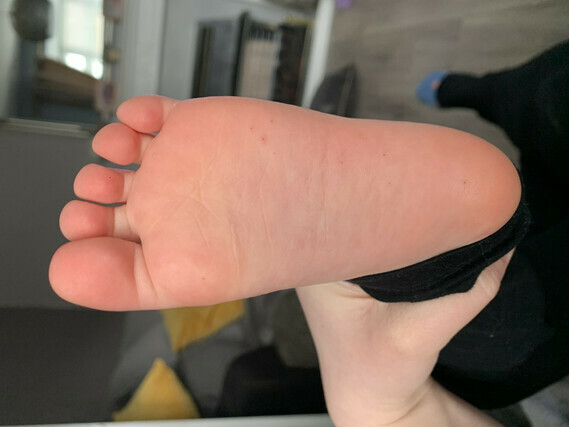
How to Handle a Splinter in a Wiggly Toddler’s Foot
July 3, 2025
Toddlers love to run and explore, often barefoot or in sandals, which can lead to splinters in their feet. When your little one suddenly starts crying or limping, a tiny sliver of wood or debris might be the culprit. Removing a splinter from a wiggly toddler’s foot can feel challenging, but with patience and the right steps, you can safely handle it at home.
Step 1: Create a Comfortable Environment
Start by calming your toddler. Sudden pain or fear can make them restless, so:
- Sit your child on your lap or in a comfortable spot where they feel secure
- Speak softly and explain what you’re going to do in simple terms (“We’re going to get the little stick out so your foot feels better”)
- Have all your supplies ready: warm water, soap, clean tweezers, rubbing alcohol, cotton pads, and a bandage
Step 2: Clean the Foot Thoroughly
Before removing the splinter, wash the foot gently with warm water and mild soap. This removes dirt and helps prevent infection.
- Rinse the area well and pat dry with a clean towel
- Avoid harsh disinfectants like hydrogen peroxide directly on the wound—it can sting and upset your child
Step 3: Examine the Splinter
Look closely at the splinter to decide the best removal method:
- If the splinter is sticking out, it’s usually easier to remove
- If it’s under the skin, it may require more careful techniques or professional help
Good lighting or a magnifying glass can help you see the splinter’s exact position.
Step 4: Use Tape or Tweezers to Remove the Splinter
If the splinter is shallow:
- Press a piece of clear medical tape on the area
- Gently pull the tape off in the direction the splinter entered—it may pull the splinter out painlessly
If part of the splinter is visible:
- Sterilize tweezers with rubbing alcohol
- Hold your toddler’s foot steady and carefully grasp the splinter
- Pull it out slowly in the same direction it entered to avoid breaking it
Distraction techniques like singing or a favorite toy can help keep your toddler calm during this step.
Step 5: Clean and Protect the Area
After removal:
- Wash the foot again with warm water and soap
- Apply a small amount of antibiotic ointment
- Cover with a breathable bandage to protect the area, especially if your toddler will be walking barefoot or outdoors
When to See a Medical Provider
You should seek professional help if:
- The splinter is deeply embedded or difficult to reach
- The foot becomes red, swollen, warm, or painful
- There is pus or any sign of infection
- Your child’s tetanus immunization is not up to date
- The splinter is under the toenail or near sensitive areas
Prompt treatment reduces the risk of complications.
What to Avoid
- Don’t dig aggressively or squeeze the skin, which can push the splinter deeper
- Avoid using unsterilized tools or sharp objects without cleaning
- Don’t force removal if your child is struggling too much—try again later or get professional assistance
- Never ignore signs of infection or worsening pain
If symptoms get worse or don’t improve, visit your local urgent care provider for professional evaluation.
Hey Did You Know We Have an IV Therapy Spa Inside? Check out our drip menu!
calm child injurychild foot carefoot injury toddlerhome first aid toddlerminor injury kidsminor wounds childrenparenting health tipspediatric first aidsafe home remediessafe splinter removalsplinter infection signssplinter pain reliefsplinter toddler foottape splinter removaltoddler skin caretoddler splinter removaltweezers toddlerurgent care toddler injurieswound care toddler



















