Minor cuts are easy to ignore—until they’re not. Whether it’s a slip with a razor, a scrape on the sidewalk, or a shallow kitchen injury, even a small break in the skin can lead to …
First Aid for Small Cuts: How to Treat and When to Get Medical Help
July 3, 2025
Minor cuts are easy to ignore—until they’re not. Whether it’s a slip with a razor, a scrape on the sidewalk, or a shallow kitchen injury, even a small break in the skin can lead to problems if not cleaned and covered properly. Knowing how to handle it right from the beginning can help reduce pain, prevent infection, and avoid unnecessary scarring.
This guide walks you through simple, effective wound care at home and when to recognize that a little cut may need professional attention.
Step 1: Clean Hands First, Always
Before touching the injured skin, take a moment to clean your hands with warm water and soap or an alcohol-based sanitizer. This reduces the chance of transferring dirt or bacteria into the wound.
If you’re helping someone else, and gloves are available, wear them to minimize contact.
Step 2: Apply Pressure to Stop Bleeding
Use a clean cloth, sterile gauze, or tissue to apply gentle pressure. Hold it firmly over the cut for several minutes—avoid lifting it too early, as this may disrupt clotting.
If the bleeding is more than a slow ooze or continues for more than 10 minutes despite pressure, it’s best to seek medical attention.
Step 3: Rinse the Wound Thoroughly
Use cool or lukewarm running water to rinse away dirt, bacteria, and blood. If you see any visible particles, rinse longer or remove with sterile tweezers.
Avoid alcohol or hydrogen peroxide inside the wound—they can cause irritation and slow healing. Instead, wash around the area with gentle, fragrance-free soap and water.
Step 4: Apply a Healing Ointment
A thin layer of over-the-counter antibiotic ointment can help keep the area moist and defend against infection. It’s not essential for every cut, but it’s helpful for wounds that are more than just superficial.
If you’re allergic to topical antibiotics, a thin layer of petroleum jelly works as a safe alternative.
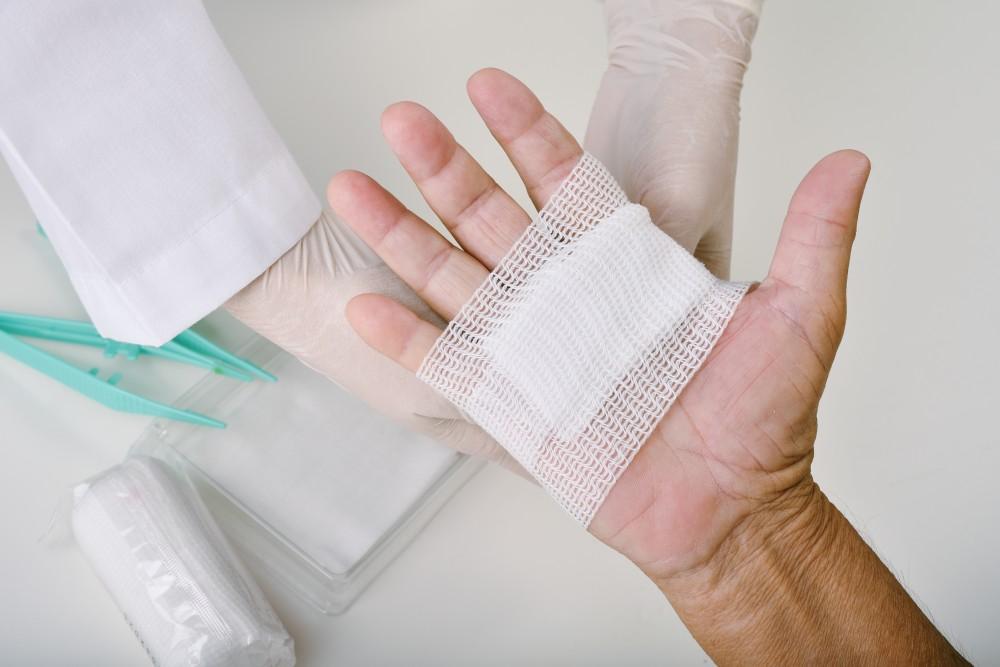
Step 5: Cover the Cut
Keeping a wound covered helps prevent infection and supports faster healing. Depending on the size:
- Use an adhesive bandage for small cuts
- Use gauze and medical tape for larger or awkwardly placed wounds
Replace the dressing daily or anytime it becomes wet or dirty.
Step 6: Watch for Signs of Infection
Even with good home care, it’s important to monitor how the wound heals. Signs that may suggest an infection is starting include:
- Redness or swelling that gets worse after 24 hours
- Pus or unusual drainage
- A throbbing pain that doesn’t ease
- Red streaks moving away from the wound
If any of these symptoms appear, visit urgent care or a healthcare provider.
When to Seek Stitches or Medical Care
Some cuts are beyond home care. See a provider if:
- The edges of the cut can’t be pressed together easily
- It’s deep, gaping, or longer than half an inch
- It continues bleeding after 10 minutes of direct pressure
- It was caused by glass, metal, or a dirty tool
- It’s in an area with constant movement (like knuckles or knees)
- The wound exposes fat, muscle, or other deep tissues
- You haven’t had a tetanus shot in the last 5–10 years
Medical professionals can provide stitches, adhesive strips, or wound glue—each chosen based on the cut’s size and location.
Pro Tips for Better Healing
- Avoid picking or scratching the area—even if it itches
- Keep wounds clean and dry for the first 24–48 hours
- If scabbing occurs, allow it to fall off naturally
- After healing, apply sunscreen to reduce scarring on exposed skin
A well-treated wound is more likely to heal quickly, cleanly, and with minimal evidence it ever happened.
Small cuts may not seem serious, but smart care goes a long way in preventing infections or long-term skin damage. Keep a first aid kit nearby, follow basic hygiene, and trust your instincts—if something looks or feels wrong, it’s always okay to get it checked out.
If symptoms get worse or don’t improve, visit your local urgent care provider for professional evaluation.
Hey Did You Know We Have an IV Therapy Spa Inside? Check out our drip menu!
antibiotic ointment useclean cut properlycut care stepscut won’t stop bleedingDIY cut caregauze and bandage guidehome bandaging tipshow to clean a woundinjury first aidprevent wound infectionrazor cut caresigns of wound infectionskin injury healingstop bleeding safelytreating a minor cuturgent care for woundswhen to seek stitcheswound care at homewound dressing change