Whether you accidentally touched a hot pan or got a little too close to a curling iron, first-degree burns are common—and painful. The good news is that they usually heal quickly with simple home care, …
Burned Your Skin? Here’s How to Act Fast and Heal a Mild Burn
July 3, 2025
Whether you accidentally touched a hot pan or got a little too close to a curling iron, first-degree burns are common—and painful. The good news is that they usually heal quickly with simple home care, especially if you act right away. This kind of burn affects only the outer layer of the skin and doesn’t blister, but that doesn’t mean you should ignore it.
Here’s exactly what to do to soothe the pain and support healing from the start.
What a First-Degree Burn Looks Like
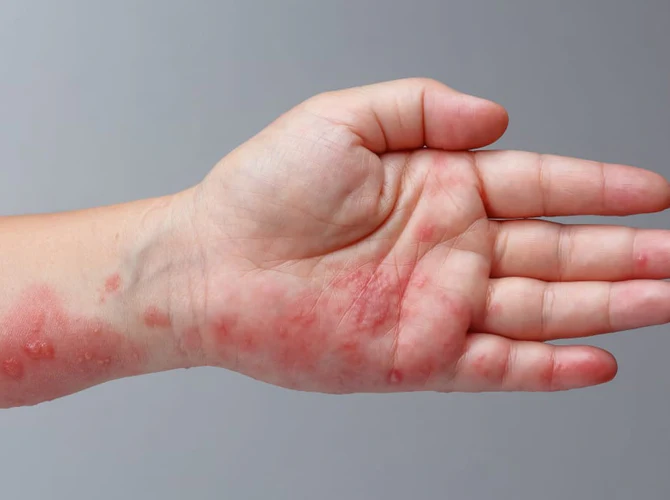
First-degree burns are the mildest form of burns. They typically show up as red, dry, and sore areas of skin. There may be minor swelling and warmth to the touch. These burns don’t break the skin or cause blisters—though in some cases, the skin may peel as it heals.
Examples of what causes first-degree burns:
- Brushing against a hot appliance
- Spilling a hot drink
- Brief steam exposure from cooking
- Sun exposure without protection
While not dangerous, these burns still need proper care to avoid complications.
First Aid Steps: What to Do Immediately
- Cool It Down Right Away
As soon as the skin is burned, hold it under cool (not cold) running water for 10 to 15 minutes. If that’s not possible, use a clean, damp, cool cloth. Cooling the skin right away helps reduce swelling, pain, and ongoing damage. - Remove Jewelry or Tight Clothing
If the burn is near a ring, bracelet, or any tight item, remove it gently before swelling sets in. - Clean the Area Carefully
Use mild soap and lukewarm water to cleanse the area. Avoid scrubbing, and don’t use alcohol or hydrogen peroxide, as they can irritate the skin. - Apply Moisture and Calm the Skin
After cleaning, apply an unscented aloe vera gel or a moisturizer specifically designed for burns. This helps reduce discomfort and prevents dryness. - Leave It Uncovered Unless Needed
You can leave small first-degree burns uncovered if the environment is clean. If there’s risk of friction or exposure to bacteria, cover with a loose, non-stick sterile bandage. - Take Pain Relievers If Necessary
Over-the-counter medication like ibuprofen or acetaminophen can reduce pain and inflammation. Always follow the dosing directions.
What Not to Do After a Burn
- No Ice: It may feel like a good idea, but ice can damage the skin further.
- Don’t Apply Oils, Butters, or Toothpaste: These trap heat and increase the risk of infection.
- Avoid Home Remedies You Haven’t Verified: Stick with clean water and medically approved products.
- Don’t Pop Any Blisters (if they form later): Though first-degree burns typically don’t blister, resist the urge if one appears.
When to Seek Medical Attention
While most first-degree burns are safe to manage at home, you should visit urgent care if:
- The burn is larger than three inches
- It affects your face, hands, feet, groin, or a joint
- Pain worsens or doesn’t improve within a few days
- The skin shows signs of infection (pus, warmth, increasing redness)
- You’re unsure whether it’s a first- or second-degree burn
Prompt evaluation ensures you get the proper treatment before problems arise.
Recovery and Aftercare
Healing from a first-degree burn usually takes between 3 and 7 days. Some peeling is normal during the recovery period. To support skin regeneration:
- Keep the area clean and moisturized
- Avoid tight clothing or anything that rubs
- Don’t scratch or peel the skin
- Keep it out of the sun to avoid further irritation
- Drink water to keep your skin hydrated from within
Acting quickly and correctly after a minor burn can dramatically reduce discomfort and prevent complications. Keep a calm head, use simple tools, and give your skin what it needs to heal.
If symptoms get worse or don’t improve, visit your local urgent care provider for professional evaluation.
Hey Did You Know We Have an IV Therapy Spa Inside? Check out our drip menu!
aloe vera burnburn blister warningburn ointmentburn treatment mythschild burn carecool water burn relieffirst-degree burn carehome remedies burnmild burn symptomsminor burn recoveryminor burn treatmentnon-stick bandage burnover-the-counter burn creampain relief burnred skin burnsoothing burn tipssunburn first aid