
Fever is one of the most common symptoms children experience, and it's also one of the most misunderstood. A mild fever may seem alarming at first, but in many cases, it’s simply your child’s immune …
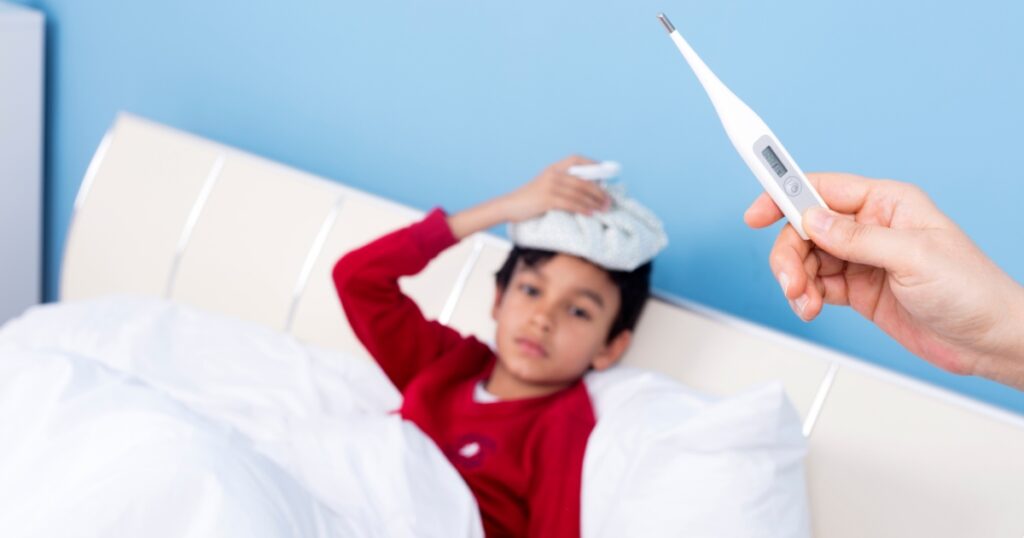
What Parents Should Know About Low Fevers in Children
July 3, 2025
Fever is one of the most common symptoms children experience, and it’s also one of the most misunderstood. A mild fever may seem alarming at first, but in many cases, it’s simply your child’s immune system kicking into gear. With the right approach at home, most low fevers can be managed safely and comfortably.
Understanding the Basics of a Low Fever
In children, a temperature between 100.4°F (38°C) and 102°F (38.9°C) is considered a mild or low-grade fever. It often appears with viral infections like the common cold, mild flu, or teething in younger children. Although it’s not something to ignore, a fever in this range doesn’t usually require immediate medical attention.
Step 1: Check the Temperature Correctly
Use a digital thermometer suited for your child’s age:
- Rectal thermometers are best for infants under 3 months
- Oral thermometers work for kids over age 4
- Forehead or ear thermometers are helpful for toddlers and preschoolers
Take note of the reading and how your child is acting. A fever combined with playful behavior, hydration, and good responsiveness is rarely a sign of danger.
Step 2: Keep Fluids Flowing
Children lose more fluids when they have a fever, so hydration is a top priority. Offer:
- Small sips of water
- Diluted juice
- Oral rehydration solutions for younger kids
- Ice pops or fruit with high water content (like watermelon)
Even if your child isn’t hungry, getting fluids in is more important than food when a fever is present.
Step 3: Allow for Rest and Relaxation
Let your child rest without forcing them to sleep. Some children may want to nap more often; others may prefer quiet play. Don’t expect full energy levels, but don’t panic if they’re alert and mildly active.
Create a calm environment—soft lighting, familiar comfort items, and quiet activities can help ease discomfort.
Step 4: Use Medication Thoughtfully
If your child seems uncomfortable or struggles to rest, you may consider giving:
- Acetaminophen (Tylenol) — safe for babies over 2 months
- Ibuprofen (Advil, Motrin) — safe for children over 6 months
Stick to the correct dose based on your child’s weight and age. Use the provided measuring device—never estimate. Avoid aspirin, which can cause rare but serious complications in kids.
Step 5: Avoid Cooling Techniques That Backfire
Resist the urge to cool them down too aggressively. Cold baths, alcohol rubs, or ice packs can cause chills or skin irritation. Instead:
- Use a lukewarm sponge bath if your child is overheated and cooperative
- Keep their clothing light and breathable
- Ensure the room is ventilated but not drafty
When You Should See a Doctor
Not every fever is a red flag, but you should seek medical attention if your child:
- Is younger than 3 months and has any fever
- Has a fever for more than 3 days
- Refuses fluids or doesn’t urinate for 8+ hours
- Has trouble waking, seems confused, or is unusually irritable
- Develops a widespread rash or labored breathing
- Experiences a seizure or sudden change in condition
When in doubt, don’t wait. A quick urgent care visit can help rule out anything serious.
Pro Tips for Parents
- Don’t force food. Offer bland snacks if they want to eat, but fluids are more important
- Keep a notebook. Track when you took temperatures, gave medications, and observed symptoms
- Use positive distraction. Books, cuddles, or favorite shows can help them relax
- Watch patterns. If the fever spikes at the same time daily, jot it down and mention it to your provider
A mild fever can be managed safely at home with supportive care, rest, and hydration. By knowing what to expect and when to act, you’ll feel more confident in handling your child’s next fever episode calmly and effectively.
If symptoms get worse or don’t improve, visit your local urgent care provider for professional evaluation
Hey Did You Know We Have an IV Therapy Spa Inside? Check out our drip menu!
accurate temperature takingchild fever symptomschild hydration tipschild immune responsechild resting advicechildren fever behaviordigital thermometer kidsfever recovery tipsfever symptom journallow fever in kidsmild viral illnessoral fever medicineparenting through illnesspediatric fever guidepediatric medicine usesigns of severe illnesstoddler fever helptreating kids at homeurgent care for fever



















