
Minor burns can happen quickly—just a moment’s contact with a hot surface or splash from boiling water is enough to leave red, painful skin behind. These surface-level injuries, also known as first-degree burns, are the …
Treating a Mild Burn Right Away: What You Need to Know
July 3, 2025
Minor burns can happen quickly—just a moment’s contact with a hot surface or splash from boiling water is enough to leave red, painful skin behind. These surface-level injuries, also known as first-degree burns, are the most common type of burn and usually heal without complications if managed correctly from the start.
Here’s a simple, effective guide for treating a first-degree burn at home as soon as it happens.
Identifying a First-Degree Burn
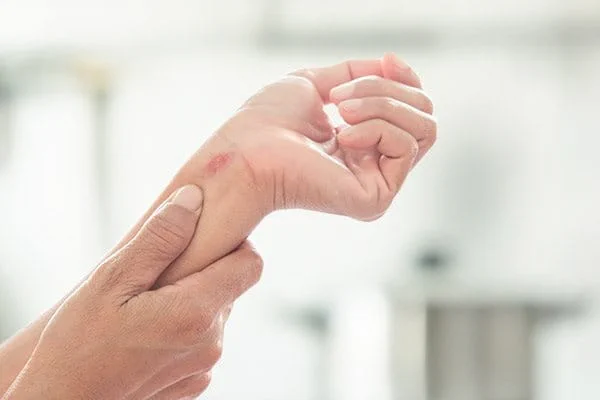
First-degree burns only affect the outermost layer of the skin. They are typically red, dry, and tender, without blisters or open wounds.
You might have a first-degree burn if:
- The skin is warm, red, and sore
- There’s mild swelling
- The area feels dry or tight
- Peeling starts after a couple of days
These burns can result from touching a hot utensil, steam exposure, brief sunburn, or hot liquid splashes.
Immediate Action: Step-by-Step Burn Care
- Cool the Burn Quickly
Hold the affected area under cool running water for 10 to 15 minutes. If that’s not an option, apply a clean, cool, damp cloth. Never use ice—it can damage the skin. - Remove Jewelry and Tight Items
If the burn is on a hand, wrist, or ankle, gently remove rings, watches, or any tight clothing while swelling is still minimal. - Cleanse the Skin Gently
Wash the area using mild soap and lukewarm water. Avoid scrubbing. Pat dry with a clean towel or gauze. - Apply a Moisturizing Agent
Use a thin layer of aloe vera gel or a plain, unscented moisturizer to hydrate the skin and reduce irritation. Don’t apply butter, oil, or any product not intended for burns. - Protect if Necessary
Most small burns can stay uncovered if the environment is clean. If you need to shield it from rubbing or dirt, cover with a loose, sterile non-stick bandage. - Relieve Discomfort
Over-the-counter pain relievers like acetaminophen or ibuprofen can help reduce discomfort and inflammation. Take only as directed.
What Not to Do
- Don’t Use Ice or Icy Water: It can worsen skin damage.
- Avoid Ointments With Fragrance or Alcohol: These may irritate or dry out healing skin.
- Do Not Pop Any Blisters (if they form): Let the skin heal naturally.
- Skip Home Remedies Like Toothpaste or Butter: They don’t help and may increase infection risk.
Know When It’s Time to See a Doctor
Although first-degree burns are minor, urgent care may be necessary if:
- The burn covers a large area (especially on a child or elderly adult)
- It’s on the face, hands, feet, groin, or over a joint
- You notice signs of infection like warmth, pus, or spreading redness
- Pain increases instead of improving after a day or two
- You’re unsure about the burn’s severity
Tips for Ongoing Healing
Once the initial discomfort is under control, follow these tips to help your skin heal:
- Apply moisturizer daily to prevent dryness and itching
- Avoid direct sunlight on the healing area
- Wear soft, breathable fabrics that won’t irritate the skin
- Don’t scratch or peel the skin as it recovers
- Stay well-hydrated to support natural healing
With the right care, most first-degree burns resolve within a week.
Burns are common household injuries, but treating them promptly and correctly makes a significant difference in comfort and recovery. With cool water, gentle care, and a watchful eye, you can manage minor burns at home while ensuring your skin heals cleanly.
If symptoms get worse or don’t improve, visit your local urgent care provider for professional evaluation.
Hey Did You Know We Have an IV Therapy Spa Inside? Check out our drip menu!



















