
Accidents happen fast—a slip with a kitchen knife, a fall on the pavement, or a brush against a sharp object. While many minor cuts are harmless and easy to care for, it’s important to know …
Simple Steps to Care for a Small Cut and Recognize When It’s Serious
July 3, 2025
Accidents happen fast—a slip with a kitchen knife, a fall on the pavement, or a brush against a sharp object. While many minor cuts are harmless and easy to care for, it’s important to know how to treat them properly at home to avoid infection and promote clean healing. Just as important is knowing when a cut is more than just skin-deep and requires professional medical attention.
Here’s how to safely manage small cuts on your own and what signs to look for when a doctor’s care is necessary.
Step 1: Wash Your Hands First
Start by washing your hands with soap and warm water to remove any dirt or bacteria. Touching an open wound with unclean hands can easily lead to infection. If you’re helping someone else with their injury, wear clean disposable gloves if available.
Step 2: Gently Stop the Bleeding
Most small cuts bleed briefly and stop on their own. If the bleeding continues:
- Press a clean cloth or sterile gauze firmly against the area
- Hold steady pressure for several minutes
- Keep the injured area elevated if possible
If blood soaks through, apply a second layer of gauze. Persistent bleeding after 10 minutes may indicate a deeper wound that needs medical attention.
Step 3: Clean the Cut Carefully
Once the bleeding has slowed, clean the wound with cool running water. This helps wash away bacteria and debris. You can use mild, fragrance-free soap on the skin around the wound, but avoid getting soap directly into the cut.
Don’t use hydrogen peroxide or alcohol—they can damage tissue and slow healing.
Step 4: Check for Dirt or Particles
If there’s any visible dirt, gravel, or tiny splinters in the wound, try to gently remove them with sterilized tweezers. Be careful not to dig too deep. If you can’t get it out easily or if something remains stuck in the skin, a healthcare provider should handle it.
Step 5: Apply a Protective Ointment
Apply a thin layer of antibiotic ointment to keep the skin moist and reduce the risk of infection. Petroleum jelly is a good alternative if you don’t have antibiotic cream on hand or if you’re sensitive to it.
Step 6: Cover the Cut
Use an adhesive bandage or sterile dressing to protect the cut. This keeps it clean and prevents it from being accidentally bumped or scratched. Change the bandage every day, or sooner if it gets wet or dirty.
Letting the wound breathe once it begins to close can also speed healing, but don’t leave it uncovered too soon.
Step 7: Monitor the Healing Process
Keep an eye on the cut for the first few days. Signs that it’s healing properly include:
- A dry scab forming over the cut
- Mild tenderness or itching
- Gradual decrease in redness and swelling
On the other hand, seek medical help if you notice:
- Increasing pain, redness, or warmth around the cut
- Pus or cloudy fluid coming from the wound
- Red streaks moving away from the site
- Fever or swollen glands nearby
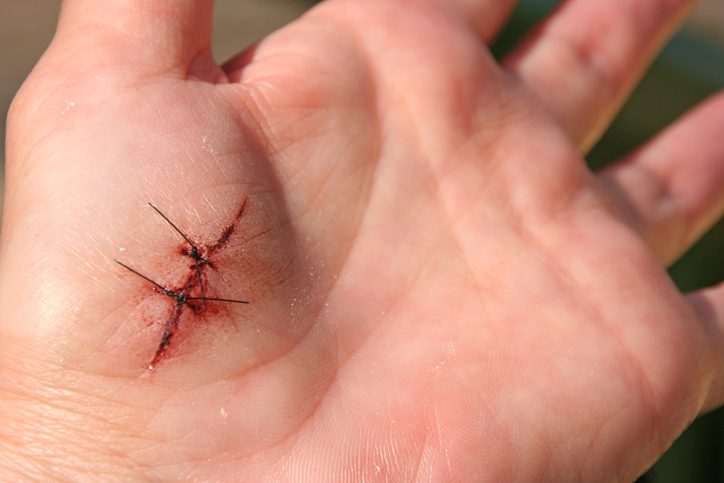
When a Cut Requires Stitches or a Doctor’s Visit
Some cuts look simple but need more than a bandage. See a provider if the cut:
- Is longer than ½ inch or gaping open
- Was caused by a dirty or rusty object
- Is on the face, scalp, joints, or genitals
- Keeps bleeding after 10–15 minutes of firm pressure
- Has jagged edges or was caused by glass or metal
- Exposes fat, muscle, or other underlying tissue
- Results from an animal or human bite
Also, if it’s been over five years since your last tetanus shot, a booster may be recommended.
A Few Helpful Tips
- Avoid picking at scabs or scratching the area
- Don’t soak the wound in water (no baths or swimming) until it’s fully closed
- Once the wound heals, apply sunscreen to minimize scarring
- Keep a well-stocked home care kit with gloves, gauze, bandages, tweezers, and ointment
With clean care and a little attention, most small cuts will heal with no problems.
If symptoms get worse or don’t improve, visit your local urgent care provider for professional evaluation.
Hey Did You Know We Have an IV Therapy Spa Inside? Check out our drip menu!



















