Yes—a heating pad can absolutely help relieve gas pain. When gas gets trapped in your stomach or intestines, it can cause pressure, bloating, and sharp abdominal cramping. Applying gentle heat to your abdomen is a …
Can a heating pad help with gas?
July 7, 2025
Yes—a heating pad can absolutely help relieve gas pain. When gas gets trapped in your stomach or intestines, it can cause pressure, bloating, and sharp abdominal cramping. Applying gentle heat to your abdomen is a simple, natural way to ease that discomfort and help gas pass more smoothly.
Heat works by relaxing the muscles in your digestive tract, improving circulation, and reducing the sensation of tightness or spasms. For many people, it’s one of the quickest ways to feel better without needing medication.
How a heating pad helps relieve gas
Heat therapy is known to:
- Relax intestinal muscles
Gas pain often results from spasms or tension in the gut. Heat loosens these muscles, which allows trapped gas to move along the intestines and eventually pass out of the body. - Increase blood flow
Improved circulation to the abdominal area helps reduce inflammation and can ease cramping caused by indigestion or bloating. - Calm the nervous system
The soothing effect of warmth can reduce anxiety and stress, which are often linked to gastrointestinal symptoms like gas or bloating.
How to use a heating pad for gas relief
- Choose a medium or low setting
Set the heating pad to a comfortable level—not too hot. You want soothing warmth, not a burn risk. - Place it on your abdomen
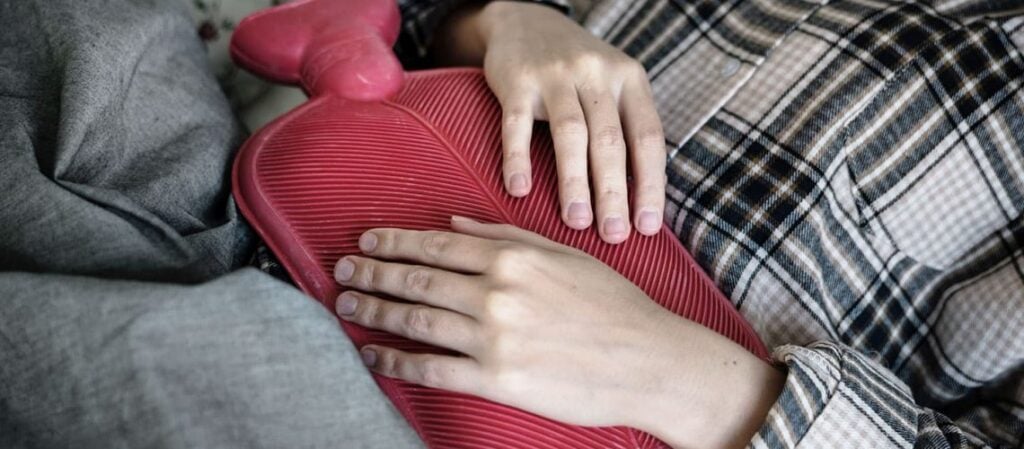
Lie down and rest the heating pad over the center or lower part of your stomach—wherever you feel the most pressure or bloating. - Apply for 15–20 minutes at a time
Use it in short sessions and take breaks between applications. You can use it multiple times a day, especially after meals or before bed. - Use a cloth barrier
If your heating pad doesn’t have a fabric cover, place a towel or thin cloth between your skin and the device to prevent irritation. - Combine with gentle massage or stretching
While using heat, you can gently massage your stomach or try positions like lying on your left side or pulling knees to chest to help move gas.
Other tips for gas relief at home
- Drink warm water or herbal tea (peppermint or ginger are best)
- Go for a light walk to get your digestive system moving
- Avoid carbonated drinks and gas-producing foods (like beans, onions, and dairy if you’re sensitive)
- Try an over-the-counter anti-gas medication like simethicone
When to skip heat and seek care
Although heating pads are generally safe, avoid using them if:
- You have open wounds, inflammation, or recent abdominal surgery
- You’re experiencing sharp, sudden pain
- You have a fever with bloating or abdominal discomfort
- You’re pregnant and unsure if heat is safe in your condition
In these cases, seek medical advice or head to urgent care.
When urgent care can help
If home remedies like heating pads aren’t relieving your symptoms—or if your gas pain is paired with other concerning signs—it’s time to get checked out. Visit urgent care if you have:
- Severe or constant cramping
- No bowel movement for several days
- Nausea, vomiting, or fever
- Pain with bloating and no gas passing
- Blood in your stool or black stools
Urgent care providers can assess your condition, run tests if needed, and offer immediate solutions to help you feel better quickly.
Final thought
A heating pad is a safe, easy, and effective tool for managing gas discomfort at home. Combined with light movement, hydration, and smart eating habits, heat therapy can go a long way in relieving bloating and restoring comfort. If your symptoms persist or worsen, don’t wait—getting medical support can make all the difference.
If symptoms get worse or don’t improve, visit your local urgent care provider for professional evaluation.
Hey Did You Know We Have an IV Therapy Spa Inside? Check out our drip menu!