When gas gets trapped in your digestive system, it can cause bloating, sharp cramps, and pressure that’s hard to ignore. Massaging your abdomen can be one of the fastest, most natural ways to encourage gas …
How do I push my stomach to relieve gas?
July 7, 2025
When gas gets trapped in your digestive system, it can cause bloating, sharp cramps, and pressure that’s hard to ignore. Massaging your abdomen can be one of the fastest, most natural ways to encourage gas to move through your intestines and bring quick relief—no medicine required.
With just a few simple hand movements and the right body position, you can help your body release gas and reduce bloating in minutes.
How abdominal massage helps release gas
Gentle pressure on the abdomen stimulates the muscles in your digestive tract, promoting movement of gas and stool through the intestines. Massage can also relax tight muscles, relieve cramping, and reduce feelings of fullness or distension.
This is especially helpful if you’re experiencing mild constipation or feel bloated after eating a heavy meal.
How to massage your stomach to relieve gas
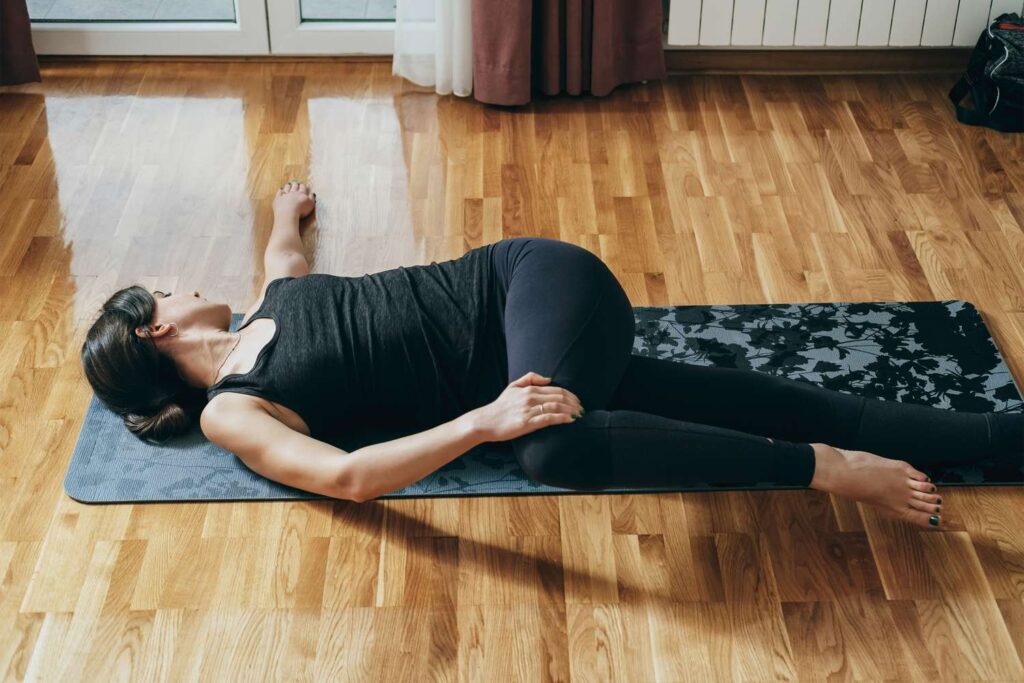
Before you start, lie down in a comfortable position on your back or slightly reclined. You can do this on a bed, couch, or yoga mat. Make sure your stomach is relaxed.
- Start on the lower right side of your abdomen
This is where your large intestine begins. Place your fingertips just above your right hip bone. - Move upward toward your ribs
Using light pressure and small circular motions, massage up the right side of your abdomen toward the bottom of your rib cage. - Massage across the top of your belly
Once you reach just below your ribs, move across your stomach in a horizontal line from right to left. - Massage down the left side
Now continue the motion down the left side of your belly, ending just above your left hip. This follows the natural path of your colon. - Repeat the pattern slowly
Make slow, steady circles as you trace this upside-down U shape 3–5 times. Apply gentle pressure—just enough to feel movement without causing pain. - Optional: knees-to-chest movement afterward
After the massage, try bringing your knees toward your chest and rocking side to side for a minute to further encourage gas to move out.
Tips to improve results
- Use a warm compress before or after the massage to relax abdominal muscles and reduce bloating.
- Do it on an empty stomach or a few hours after eating. Massaging too soon after meals may cause discomfort.
- Try deep breathing while massaging to relax your core and enhance movement.
- Be gentle—this is not a deep tissue massage. Too much pressure can cause discomfort or strain.
When to avoid abdominal massage
While gas massage is generally safe, skip it and seek medical care if you have:
- Severe abdominal pain
- A hard or distended belly
- Nausea or vomiting
- Recent abdominal surgery
- Pregnancy (check with your doctor first)
- Signs of appendicitis, gallbladder disease, or bowel obstruction
When to visit urgent care
If massage and other home remedies aren’t helping—or if your symptoms are getting worse—it’s time to see a provider. Visit urgent care if you experience:
- Constant bloating with no bowel movement
- Pain that lasts more than 24 hours
- Blood in stool or black stool
- Vomiting or fever
- Pain during pregnancy
- Trouble eating or drinking
Urgent care teams can perform an exam, order tests, and offer treatment or referrals for digestive concerns.
Final thought
Stomach massage is a simple, safe way to get relief from gas and bloating. With the right technique and a few minutes of focused movement, you can help your body release trapped air and feel better quickly. If gas continues or turns painful, don’t hesitate to reach out for care.
If symptoms get worse or don’t improve, visit your local urgent care provider for professional evaluation.
Hey Did You Know We Have an IV Therapy Spa Inside? Check out our drip menu!