
A noticeably large and firm stomach in men isn't always just about excess weight. While it may appear to be simple belly fat, a hard, distended abdomen could point to deeper issues—ranging from visceral fat …
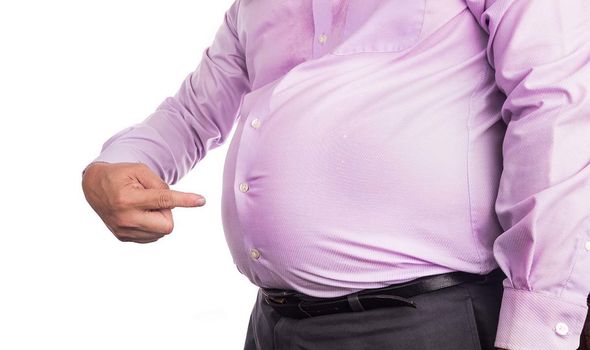
Why is my husband’s stomach so big and hard?
July 8, 2025
A noticeably large and firm stomach in men isn’t always just about excess weight. While it may appear to be simple belly fat, a hard, distended abdomen could point to deeper issues—ranging from visceral fat and digestive trouble to organ enlargement or even fluid buildup.
Understanding the possible causes behind a hard stomach can help you determine whether it’s a normal change—or a sign something more serious may be going on.
Possible causes of a big, hard stomach in men
- Visceral fat buildup
Unlike soft fat just under the skin (subcutaneous fat), visceral fat forms around the internal organs. It can create a belly that feels tight, round, and firm to the touch. This type of fat is more common in men and is linked to a higher risk of heart disease, diabetes, and metabolic syndrome. - Bloating from gas or indigestion
Trapped gas or slowed digestion can make the stomach swell temporarily. If your husband often feels bloated after meals and has discomfort or burping, this might be the cause. However, bloating typically feels soft and changes from day to day—unlike persistent hardness. - Ascites (fluid buildup)
A hard, round, and tight abdomen can sometimes be caused by fluid buildup in the abdominal cavity, especially if the person has liver disease or heart failure. This condition, called ascites, may come with leg swelling, shortness of breath, or loss of appetite. - Liver enlargement (hepatomegaly)
The liver sits in the upper right abdomen. If it’s enlarged due to fatty liver disease, hepatitis, or alcohol-related damage, it may create a firm, protruding belly, particularly on the right side. - Hernia
A hernia occurs when part of the intestine or abdominal tissue pushes through a weak spot in the muscles. A visible, firm bulge—especially when coughing or straining—might indicate an umbilical or abdominal hernia. - Constipation or bowel obstruction
If your husband is constipated or has a partial blockage, his belly may feel tense and bloated, often with cramping or reduced appetite. This should be evaluated if it doesn’t improve with standard remedies. - Postural changes or muscle tension
Weak abdominal muscles and tight lower back muscles can make the belly push forward, especially if paired with poor posture. Though not dangerous, this can make the stomach appear larger and firmer over time.
When to seek urgent care or medical evaluation
Contact a medical provider if your husband’s stomach:
- Feels suddenly hard or painful
- Is accompanied by vomiting, nausea, or fever
- Shows signs of jaundice (yellowing of skin or eyes)
- Is getting progressively larger or more uncomfortable
- Involves shortness of breath or leg swelling
- Comes with unexplained weight loss or fatigue
Urgent care can assess whether the hardness is due to gas, fat, fluid, or something more serious. They may order imaging, bloodwork, or refer to a specialist if needed.
Tips for managing a hard or enlarged stomach
- Encourage a healthy diet low in processed foods and alcohol
- Include fiber and hydration to support digestion
- Promote core-strengthening exercises to improve posture and abdominal tone
- Track symptoms like bloating, bowel habits, and pain
- Avoid self-diagnosing—get checked if there are persistent or concerning changes
Final thought
A big, hard stomach in men isn’t always just about extra weight. It can signal hidden health issues—especially if it’s firm to the touch or comes with other symptoms. Whether it’s visceral fat, fluid retention, or something else entirely, it’s always worth checking in with a medical provider to be safe.
If symptoms get worse or don’t improve, visit your local urgent care provider for professional evaluation.
Hey Did You Know We Have an IV Therapy Spa Inside? Check out our drip menu!



















