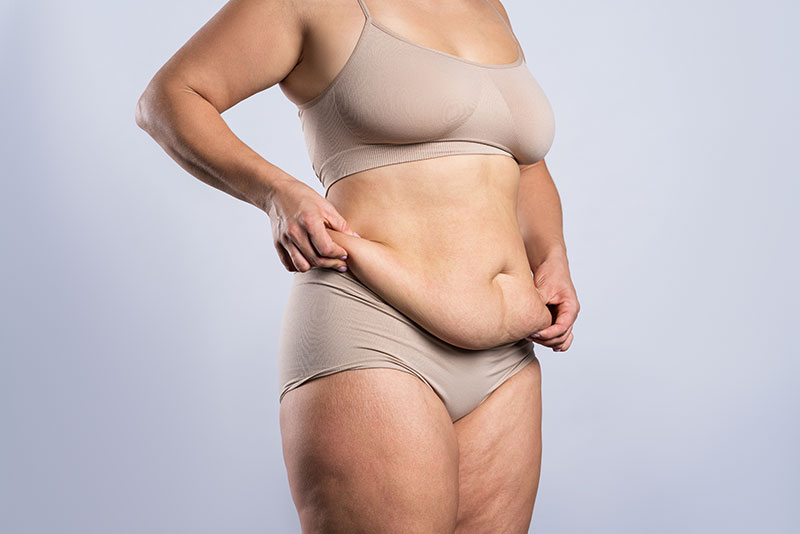
A hanging belly—sometimes called an apron belly or pannus—is excess skin and fat that drapes downward from the lower abdomen. It’s especially common after significant weight loss, pregnancy, or with aging. While it’s completely normal …
How to get rid of a hanging belly?
July 8, 2025
A hanging belly—sometimes called an apron belly or pannus—is excess skin and fat that drapes downward from the lower abdomen. It’s especially common after significant weight loss, pregnancy, or with aging. While it’s completely normal and nothing to be ashamed of, it can cause discomfort, hygiene challenges, or affect confidence.
Although you can’t spot-reduce fat, there are healthy and sustainable ways to tighten your core, improve skin elasticity, and reduce the appearance of a hanging belly over time.
1. Focus on whole-body fat loss
Fat loss happens across the body—not just in one area. A consistent routine that includes cardiovascular exercise, strength training, and healthy eating will gradually reduce fat, including in the lower abdomen.
- Try walking, swimming, cycling, or dancing for at least 150 minutes a week
- Strength train 2–3 times weekly to build lean muscle and increase metabolism
- Include high-protein, low-processed foods to support fat loss and skin repair
2. Strengthen your core muscles
Building core strength helps support your abdominal wall and improve the overall appearance of your midsection—even if loose skin remains. Focus on exercises that activate the lower abs and deep core.
- Planks (start on your knees if needed)
- Dead bugs
- Leg lifts or flutter kicks
- Pelvic tilts and bridges
- Abdominal breathing or vacuum exercises
3. Improve posture and back support
Poor posture can exaggerate the look of a hanging belly by pushing the abdomen forward. Strengthening the back, glutes, and hips and practicing upright posture can make your belly appear flatter.
4. Support skin elasticity
Over time, the skin may firm up—but it depends on age, genetics, and how quickly weight was lost. While it’s difficult to “tighten” skin completely with home care, these can help:
- Stay hydrated to keep skin plump and elastic
- Use creams with collagen, retinol, or hyaluronic acid
- Eat foods rich in vitamin C, zinc, and healthy fats
- Avoid smoking, which breaks down collagen
5. Consider professional treatments (if needed)
If the hanging belly causes rashes, discomfort, or mobility issues, talk to a medical provider. Options include:
- Physical therapy for core strengthening and posture
- Non-invasive skin tightening treatments (like radiofrequency or ultrasound)
- Panniculectomy or cosmetic surgery (for severe cases with loose skin)
6. Stay patient and realistic
A hanging belly often took years to form—and reversing it takes time. Progress isn’t always visible right away, but consistency truly pays off. Remember that your body is strong and capable, even during change.
When to visit urgent care
While most cases of a hanging belly are cosmetic, you should seek urgent care if:
- The skin underneath becomes red, irritated, or infected
- You experience rashes, open sores, or foul odors under skin folds
- You feel lumps, hardness, or pain in the abdominal area
- It interferes with walking, exercise, or daily activities
Urgent care can treat infections, refer you to specialists, and help evaluate whether the belly is due to excess fat, swelling, or something else.
Final thought
A hanging belly is common, and you’re not alone in wanting to feel more comfortable in your body. By combining core-strengthening exercises, full-body fat loss, good posture, and skin support, you can make meaningful progress over time. If discomfort or skin issues arise, don’t hesitate to seek medical care to feel your best.
If symptoms get worse or don’t improve, visit your local urgent care provider for professional evaluation.
Hey Did You Know We Have an IV Therapy Spa Inside? Check out our drip menu!
abdominal muscle toneabdominal skin foldsabdominal tighteningapron bellybelly fat after pregnancybelly rashesbody contouringcore strengtheninghanging bellyhydration and skinIV therapy Miamiloose skin after weight losslower belly exerciseslower belly fatpanniculectomypannus fatposture and bellyskin elasticityurgent care for skin irritation