“Ozempic face” is a term used to describe the facial volume loss and sagging skin that can occur during rapid weight loss, particularly in people taking GLP-1 medications like Ozempic (semaglutide) or Wegovy. It’s not …
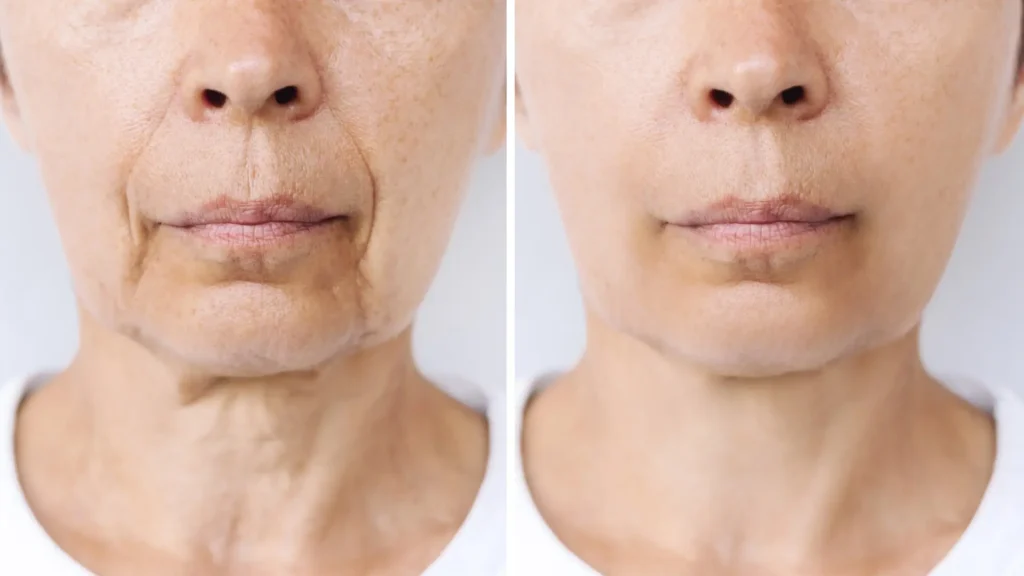
What is the Ozempic face?
July 8, 2025
“Ozempic face” is a term used to describe the facial volume loss and sagging skin that can occur during rapid weight loss, particularly in people taking GLP-1 medications like Ozempic (semaglutide) or Wegovy. It’s not a medical side effect of the drug itself—but rather a cosmetic result of losing fat quickly, especially in the cheeks, jawline, and under the eyes.
While Ozempic face is harmless from a medical perspective, it can leave people feeling older or “hollowed out.” Fortunately, there are ways to prevent or improve it.
1. What causes Ozempic face?
Ozempic works by reducing appetite, improving blood sugar, and slowing digestion—all of which lead to weight loss. When people lose weight rapidly, especially in their 40s or older, the fat pads in the face shrink, revealing:
- Loose skin and wrinkles
- Sunken cheeks
- Visible jowls or neck sagging
- A more tired or aged appearance
This is common in any rapid weight loss, but it’s gotten more attention recently due to Ozempic’s popularity among celebrities and the public.
2. Who is most likely to get Ozempic face?
Anyone who loses weight quickly can experience facial volume loss, but you may be more likely to notice it if you:
- Are over 40
- Lose 20+ pounds in a short period
- Already had low facial fat to begin with
- Have naturally thin or mature skin
- Are not keeping up with hydration and skin support
Facial fat loss is most visible in the cheeks, temples, and under-eyes.
3. Is Ozempic face permanent?
No, Ozempic face is not permanent—but it won’t reverse on its own unless you:
- Regain weight, which most patients are trying to avoid
- Seek cosmetic treatments to restore volume
- Support skin and collagen health through nutrition and skincare
If you stop losing weight or stabilize at a healthy level, your face may adjust gradually—but age-related skin laxity may still linger.
4. How to prevent or treat Ozempic face
To minimize or improve the effects of Ozempic face:
- Lose weight slowly: A steady loss of 1–2 pounds per week gives your skin time to adapt
- Hydrate well: Drink enough water to support skin elasticity
- Support collagen: Eat protein, take collagen peptides, and use retinol or hyaluronic acid serums
- Facial massage: Stimulates circulation and skin tone
- Cosmetic fillers: Dermal fillers can restore lost volume in the cheeks, temples, or jawline
- Radiofrequency or laser treatments: Help tighten loose skin over time
Work with your provider or a medical aesthetics clinic to decide what’s best for your goals.
5. Is it worth worrying about?
For most people, Ozempic face is a cosmetic concern, not a medical issue. It doesn’t mean the medication is unsafe—it’s a reflection of how your body changes with weight loss. Many patients find the tradeoff of better health and a slimmer figure worth it, even with facial changes.
Still, if you’re bothered by your appearance or want to plan ahead, talk to your provider about a gradual weight loss plan and supportive skincare strategies.
Final thought
Ozempic face happens when rapid weight loss causes facial fat to shrink, leading to a thinner, older-looking appearance. While it’s not dangerous, it can affect confidence. The good news? There are non-surgical and medical ways to prevent and treat it while still reaching your health goals.
If symptoms get worse or don’t improve, visit your local urgent care provider for professional evaluation.
Hey Did You Know We Have an IV Therapy Spa Inside? Check out our drip menu!
anti-aging after weight losscheek fat losscollagen skin support ozempicdermal fillers ozempic facefacial fat loss ozempicfacial rejuvenation semaglutideGLP-1 face sagginghollow cheeks weight lossjawline sagging ozempicozempic aging faceozempic appearance changesozempic cosmetic side effectsozempic facesemaglutide face side effectskin tightening after weight lossskincare ozempic userstreat ozempic facevolume loss after weight lossweight loss facial changes