
Yes, doctors can prescribe Ozempic for weight loss, even if you don’t have Type 2 diabetes. This is called off-label prescribing, which is legal and common when a medication shows benefits outside its FDA-approved use. …
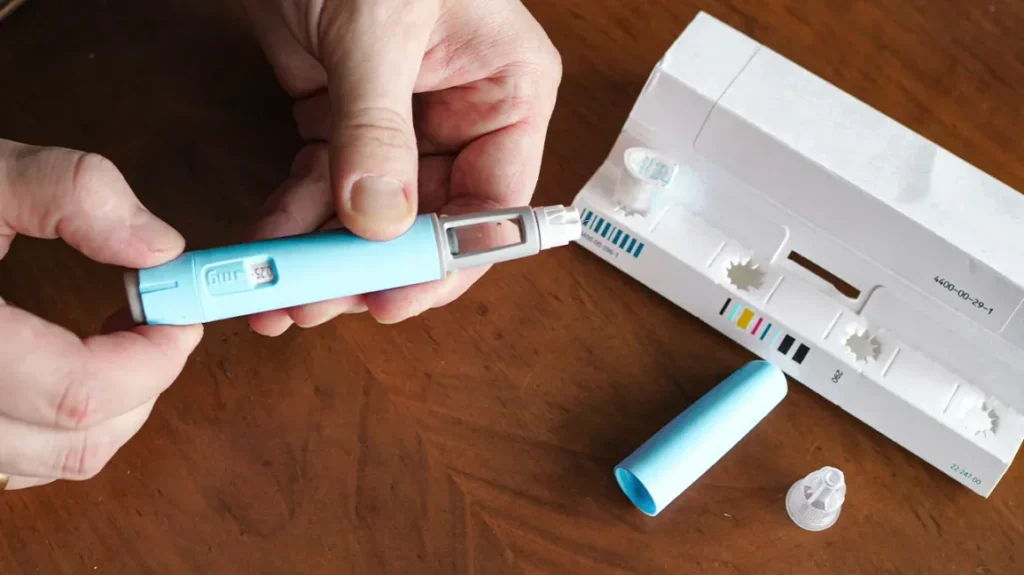
Can doctors prescribe Ozempic just for weight loss?
July 8, 2025
Yes, doctors can prescribe Ozempic for weight loss, even if you don’t have Type 2 diabetes. This is called off-label prescribing, which is legal and common when a medication shows benefits outside its FDA-approved use. While Ozempic is officially approved for diabetes management, many healthcare providers now prescribe it for weight loss in people with obesity or weight-related conditions.
However, getting Ozempic just for weight loss requires a proper evaluation—and in most cases, insurance will not cover it unless you’re diabetic.
1. What does “off-label” use mean?
“Off-label” means a doctor prescribes a drug for a purpose not officially approved by the FDA, based on medical evidence and clinical experience. Since Ozempic contains semaglutide, the same ingredient in Wegovy (which is FDA-approved for weight loss), many providers use Ozempic as a cost-effective or available alternative.
Doctors can legally prescribe Ozempic for weight loss if:
- You have a BMI of 30+, or
- A BMI of 27+ with a weight-related condition like high blood pressure, high cholesterol, insulin resistance, or PCOS
2. Which doctors can prescribe Ozempic for weight loss?
You can get a prescription from:
- Primary care doctors
- Endocrinologists
- Obesity medicine specialists
- Medical weight loss clinics
- Some urgent care providers offering weight loss programs
These providers will assess your health history, lab results, and weight-related risks before prescribing.
3. What happens during the evaluation?
Before prescribing Ozempic, your provider will typically:
- Calculate your BMI
- Review your past attempts at weight loss
- Ask about your diet, activity, and lifestyle
- Check for medical risks, like heart issues, thyroid problems, or history of pancreatitis
- Possibly run labs (glucose, A1C, cholesterol)
If you qualify, they may prescribe Ozempic and start you on a gradual dosing schedule to minimize side effects like nausea or fatigue.
4. Will insurance cover Ozempic for weight loss?
In most cases, no—insurance plans won’t cover Ozempic if it’s prescribed solely for weight loss, because that’s not its FDA-approved purpose. This means:
- You’ll likely need to pay out of pocket (approx. $900–$1,200/month)
- The Ozempic savings card won’t apply
- Compounded semaglutide (custom-formulated by a pharmacy) may be a more affordable alternative
If you want insurance coverage, ask your doctor whether you might qualify for Wegovy, which is FDA-approved for weight management and may be included in your plan.
5. Is it safe to take Ozempic without diabetes?
Yes—for many people, it’s safe. In clinical trials for weight loss, even non-diabetic patients experienced:
- Significant appetite suppression
- Reduced cravings and portion sizes
- Improved insulin sensitivity
- Sustained weight loss over time
However, Ozempic should not be used if you have:
- A history of medullary thyroid cancer
- MEN2 syndrome
- A history of pancreatitis or gallbladder issues
- Current pregnancy or breastfeeding
Always follow your doctor’s guidance, and don’t take it without medical supervision.
Final thought
Yes, doctors can prescribe Ozempic for weight loss—even if you’re not diabetic. It’s legal, common, and often effective when prescribed responsibly. A medical evaluation will help determine if you’re a good candidate. If cost is a concern, ask your provider about compounded alternatives or other FDA-approved weight loss medications.
If symptoms get worse or don’t improve, visit your local urgent care provider for professional evaluation.
Hey Did You Know We Have an IV Therapy Spa Inside? Check out our drip menu!
best weight loss injectionsBMI ozempic criteriacan doctors prescribe ozempiccompounded semaglutide MiamiGLP-1 for obesityhow to ask for ozempichow to get ozempicnon-diabetic ozempic useoff-label ozempic prescriptionozempic clinic near meozempic coverage weight lossOzempic for weight lossozempic medical evaluationsemaglutide prescription without diabetesurgent care weight loss helpWegovy vs Ozempicweight loss consultation urgent careweight loss prescription optionsweight loss with semaglutide



















