Your nails can often reveal what’s going on inside your body—including how much emotional or physical stress you're under. High levels of stress, whether from illness, anxiety, or lifestyle pressure, can interfere with nail growth …
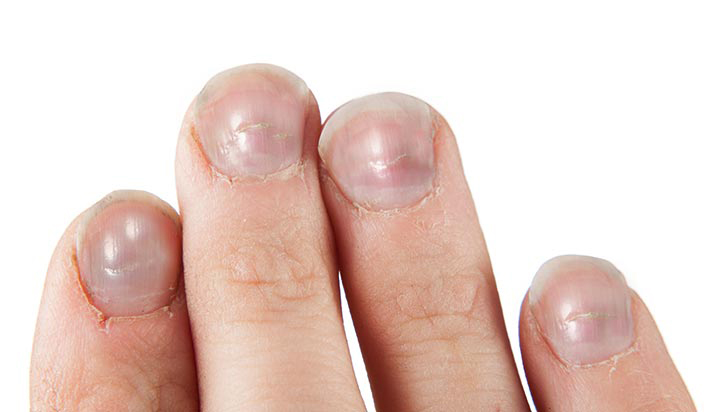
What do stress nails look like?
July 8, 2025
Your nails can often reveal what’s going on inside your body—including how much emotional or physical stress you’re under. High levels of stress, whether from illness, anxiety, or lifestyle pressure, can interfere with nail growth and health, leading to noticeable changes over time.
Here’s how to recognize nails that may be reacting to stress:
1. Horizontal ridges (Beau’s lines)
One of the most visible signs of stress on the nails is the appearance of horizontal grooves or indentations that stretch across the nail plate.
- Caused by temporary interruption in nail growth
- Can result from physical stress (like surgery or illness) or emotional stress
- Ridges move upward as the nail grows
- May appear on one or more nails
These lines typically show up weeks after the stressful event and gradually fade as the nail grows out.
2. Brittle or weak nails
Chronic stress can deplete nutrients and reduce blood flow to extremities, leading to:
- Dry, cracking nails
- Peeling or flaking layers
- Nails that break easily or grow slowly
This may also be worsened by stress-related habits like nail biting or skipping proper hydration and nutrition.
3. Nail biting (onychophagia)
Many people unconsciously bite their nails when under emotional or mental stress.
- Leads to short, uneven nails
- May cause pain, bleeding, or infection
- Can also damage the surrounding cuticle and skin
If this becomes a daily habit, it may be linked to anxiety disorders or OCD.
4. Vertical ridges
Although often a normal part of aging, vertical ridges can become more noticeable during times of stress.
- May appear more prominent due to nutrient deficiencies or dehydration
- Usually harmless, but can be improved with better self-care
5. Discoloration or dullness
Stress can also reduce oxygen delivery and affect how nails look overall.
- Nails may appear pale, dull, or slightly yellow
- A lack of shine can reflect general poor health or tension
- Sometimes accompanied by dark streaks if nail trauma occurs
6. Slowed nail growth
Under intense stress, your body shifts focus away from non-essential functions—like growing nails.
- You may notice nails are growing more slowly than usual
- This is reversible once the stress is reduced
- May be subtle but noticeable over a few weeks
When to visit urgent care or a provider
You should consider medical evaluation if:
- You have sudden nail changes with no clear cause
- You develop multiple Beau’s lines
- You see signs of infection, redness, or bleeding
- Your stress or anxiety is affecting your physical health or daily life
Urgent care can help rule out underlying deficiencies, skin conditions, or infections—and provide support or referrals for mental health if needed.
Final thought
Stress doesn’t just affect your mind—it leaves fingerprints on your body, including your nails. If your nails are ridges, brittle, discolored, or you’re biting them more than usual, take it as a signal to slow down, rest, and care for your well-being.
If symptoms get worse or don’t improve, visit your local urgent care provider for professional evaluation.
Hey Did You Know We Have an IV Therapy Spa Inside? Check out our drip menu!
anxiety nail damagebeau’s lines stressbrittle nails anxietybrittle peeling nailsemotional stress symptoms nailsmental health and nailsnail biting stressnail changes from stressnail growth and stressonychophagia symptomsridges in nails stresssigns of stress on nailsstress and nail healthstress nailsurgent care nail problemsweak nails and stress