
Your heart is the engine of your body—when it begins to struggle or weaken, it often sends early warning signals. Recognizing these signs can make all the difference in getting prompt care and avoiding serious …
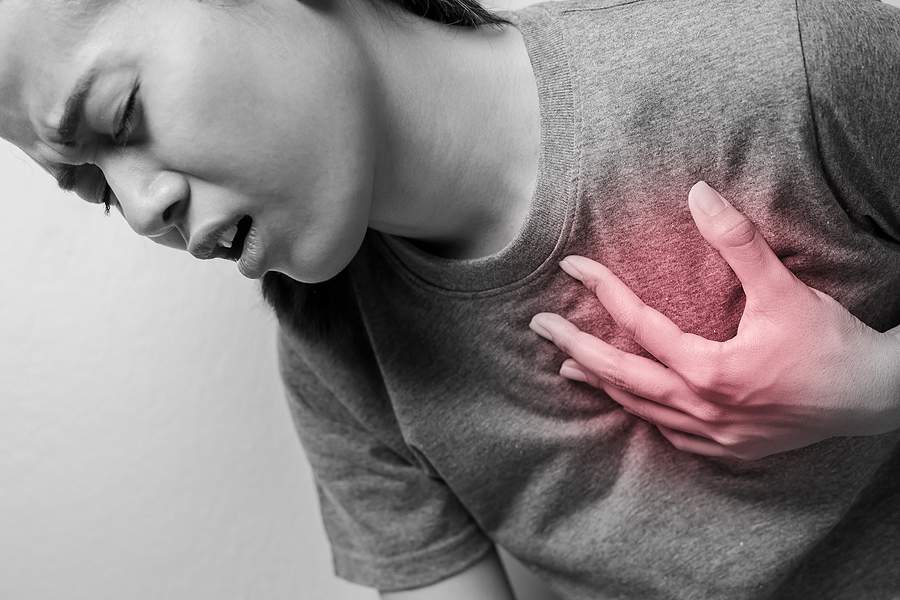
What are the signs your heart is struggling?
July 8, 2025
Your heart is the engine of your body—when it begins to struggle or weaken, it often sends early warning signals. Recognizing these signs can make all the difference in getting prompt care and avoiding serious complications like heart failure or a heart attack.
1. Shortness of breath
Difficulty breathing—especially during exertion or while lying down—can be an early sign of heart failure or reduced cardiac output.
- You may feel like you can’t get enough air
- Symptoms may worsen when lying flat (orthopnea) or at night
- Can occur suddenly or gradually
2. Fatigue and weakness
A struggling heart may not pump enough oxygen-rich blood to your muscles and brain, leaving you:
- Feeling exhausted even after rest
- Tired during simple activities like walking or climbing stairs
- Struggling with mental clarity or focus
Fatigue from heart problems often builds slowly and doesn’t improve with sleep.
3. Swelling in the legs, ankles, or feet (edema)
Fluid buildup in the lower body can result from a weakened heart that can’t efficiently circulate blood.
- Legs or feet may appear puffy or tight
- Socks may leave deep indentations
- Swelling tends to worsen by evening
This is a hallmark sign of right-sided heart failure.
4. Chest discomfort or pressure
This can feel like:
- Tightness, heaviness, or squeezing in the chest
- Pain that may radiate to the arms, back, jaw, or neck
- Comes on with activity or stress and improves with rest
Always take chest pain seriously—especially if it’s new or accompanied by shortness of breath, sweating, or nausea. It may be a sign of angina or a heart attack.
5. Irregular heartbeat or palpitations
When the heart struggles, it may beat too fast, too slow, or irregularly.
- You may feel a fluttering, racing, or skipped beat
- Can occur at rest or during activity
- Sometimes accompanied by dizziness or fainting
Atrial fibrillation and other arrhythmias are common in people with underlying heart conditions.
6. Persistent cough or wheezing
Fluid backup in the lungs can cause a chronic cough, especially when lying down.
- May produce pink, frothy mucus
- Can mimic asthma or bronchitis
- Often seen in advanced heart failure
7. Cold hands and feet or pale/blue skin
Poor circulation from a weak heart can cause:
- Cool extremities
- Pale or bluish skin, especially at the lips, fingers, or toes
- Slow capillary refill when pressing on a fingernail
These symptoms suggest your tissues aren’t getting enough oxygen-rich blood.
8. Rapid weight gain
Sudden weight gain—more than 2–3 pounds in a day or 5 pounds in a week—can indicate fluid retention, not fat gain.
- May accompany swelling, shortness of breath, or fatigue
- A sign your heart is failing to maintain balance in body fluids
When to go to urgent care or the ER
Visit urgent care for:
- New or worsening fatigue, swelling, or irregular heartbeat
- Mild chest tightness that doesn’t last long
- Non-emergency symptoms that are persistent or unexplained
Call 911 or go to the ER immediately for:
- Crushing chest pain or pressure
- Sudden shortness of breath
- Fainting, dizziness, or palpitations with weakness
- Blue lips or fingertips
Final thought
Your body is always talking—especially when your heart isn’t keeping up. If you notice persistent fatigue, shortness of breath, swelling, or changes in skin color, don’t brush it off. These signs may mean your heart is struggling and needs support.
If symptoms get worse or don’t improve, visit your local urgent care provider for professional evaluation.
Hey Did You Know We Have an IV Therapy Spa Inside? Check out our drip menu!
cardiac warning signschest tightness causesearly signs of heart diseasefatigue from heart issuesfluid retention heartheart circulation signsheart palpitations urgent careheart trouble symptomsirregular heartbeat warningshortness of breath heartsigns heart is failingswollen ankles heart failureurgent care for heart symptomsweak heart symptomswhen to go to ER chest pain



















