
Animal bites can happen unexpectedly—during a walk in the park, while feeding a stray, or even from a family pet. While many bites are minor and easily treated, others can lead to serious infections or …
Animal Bites and Rabies Concerns
June 6, 2025
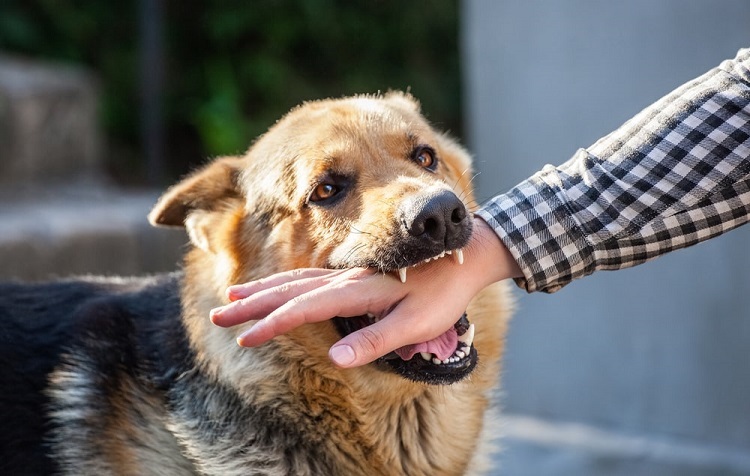
Animal bites can happen unexpectedly—during a walk in the park, while feeding a stray, or even from a family pet. While many bites are minor and easily treated, others can lead to serious infections or transmit dangerous viruses like rabies. Knowing how to respond to an animal bite quickly and correctly can protect your health and potentially save your life.
Understanding the Risk
Animal bites vary in severity, but all should be taken seriously. Common sources of bites include:
- Dogs – Most reported bites come from dogs, often during play or when a dog feels threatened.
- Cats – Cat bites may appear less severe but can puncture deep tissue and introduce harmful bacteria.
- Wild animals – Raccoons, bats, skunks, and foxes pose a greater risk for rabies transmission.
- Rodents and other small mammals – Rarely cause rabies but can still lead to infections.
- Exotic pets or strays – These animals may carry unknown risks, especially if unvaccinated.
First Aid for Animal Bites
If you or someone else is bitten by an animal, follow these steps immediately:
- Stay calm and ensure safety. Move away from the animal to prevent further injury.
- Clean the wound. Wash it thoroughly with soap and warm water for at least five minutes. This helps reduce the risk of infection.
- Control bleeding. Use a clean cloth or bandage to apply gentle pressure.
- Apply an antiseptic. Hydrogen peroxide, iodine, or alcohol can be used around (but not deep inside) the wound.
- Cover the bite. Use a sterile bandage to protect it until you receive medical care.
- Seek medical attention, especially if the bite is deep, bleeding heavily, or from an unknown or wild animal.
Rabies: A Deadly but Preventable Disease
Rabies is a viral infection that affects the brain and nervous system. It is almost always fatal once symptoms appear, but it is entirely preventable with prompt medical treatment. The virus is most commonly spread through the saliva of an infected animal, typically via bites.
High-Risk Animals for Rabies Include:
- Bats
- Raccoons
- Skunks
- Foxes
- Stray or unvaccinated dogs and cats
In the U.S., bat bites are the most common source of human rabies exposure—often because the bite is so small it goes unnoticed.
When to Worry About Rabies
Seek medical attention immediately if:
- You were bitten or scratched by a wild animal or an unfamiliar pet
- You’ve had direct contact with a bat, even without a visible bite
- The animal appeared sick, behaved aggressively, or was foaming at the mouth
- The animal ran away and cannot be observed or tested
In these cases, a doctor may recommend post-exposure prophylaxis (PEP)—a series of life-saving rabies vaccinations given after exposure.
Other Infection Risks
Besides rabies, animal bites can introduce bacteria like:
- Pasteurella
- Staphylococcus
- Streptococcus
- Capnocytophaga (especially dangerous to people with weak immune systems)
Infections can develop quickly. If you notice increased redness, warmth, pus, swelling, or fever within a day or two of a bite, seek medical help immediately.
Preventing Animal Bites
- Avoid approaching unfamiliar animals, especially strays or wildlife.
- Teach children not to tease or bother animals while eating or sleeping.
- Vaccinate your pets regularly.
- Keep pets on a leash in public areas.
- Never try to catch or feed wild animals.
Take Action, Stay Protected
Animal bites are unpredictable, but your response doesn’t have to be. Early care is key to preventing complications and protecting your health from rabies and infection.
Call 305-344-CARE (2273) to speak with a medical provider about bite treatment, rabies risk, and whether post-exposure care is needed.
beach medical helpbeachside medical clinicdehydration treatment Miamiemergency clinic Miami BeachER alternative Miamifast care South Floridafood poisoning clinicheat exhaustion Miami Beachjet lag recovery IVkid-friendly urgent careMiami Beach health tipsMiami Beach local doctorMiami nightlife recoveryquick STD testing Miamiquick X-rays MiamiSouth Beach flu seasonsports injury Miami Beachsunburn treatment Miamiurgent care for travelerswound care clinic



















