
A sudden stomach issue can quickly turn a normal day into a frustrating one. Mild diarrhea is often a temporary response to something minor—maybe a questionable meal, a change in routine, or a touch of …
Got the Runs? Here’s How to Gently Treat Mild Diarrhea at Home
July 3, 2025
A sudden stomach issue can quickly turn a normal day into a frustrating one. Mild diarrhea is often a temporary response to something minor—maybe a questionable meal, a change in routine, or a touch of stress. Though it’s uncomfortable, the right care at home can help settle your system and keep things from getting worse.
Let’s walk through safe, effective remedies you can use at home to support recovery, and how to know when home care may not be enough.
💦 Step 1: Start Replacing Lost Fluids Immediately
Your body needs to stay hydrated to function, and diarrhea speeds up fluid loss. Start rehydrating early—even before you feel thirsty.
Here’s what works best:
- Sips of water every few minutes
- Oral rehydration solutions (ORS) if available
- Diluted apple juice or coconut water for a gentle electrolyte boost
- Clear soups or broths 🥣
Avoid caffeine, carbonated drinks, and sugary sodas, which can aggravate symptoms.
🍌 Step 2: Stick to Stomach-Friendly Foods
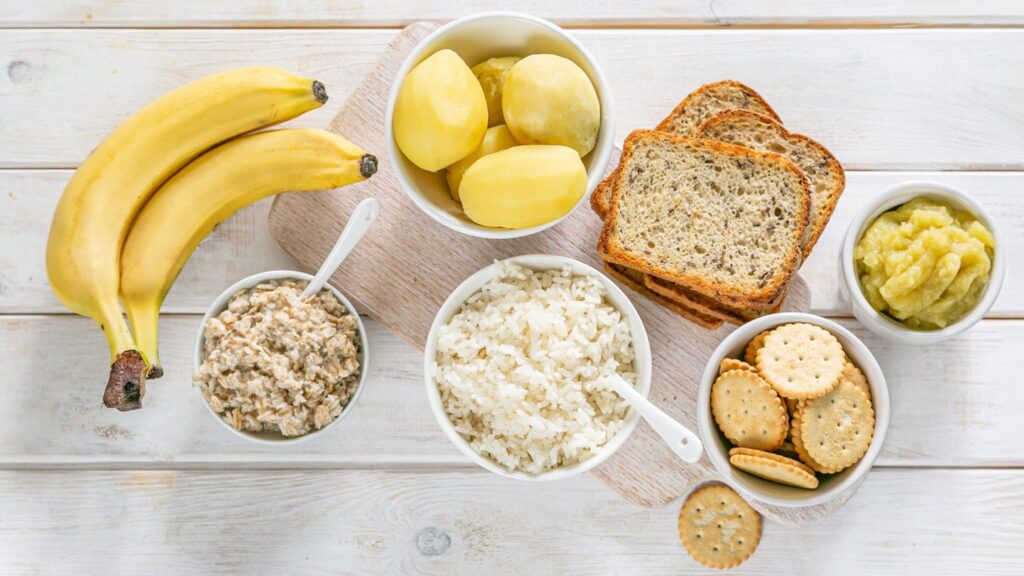
Don’t skip meals entirely. Once you’re ready to eat, focus on soft, low-fiber options that are easy to digest and help firm up stools:
- Ripe bananas
- White rice
- Applesauce
- Dry toast or plain crackers
- Boiled potatoes without seasoning
Small, frequent meals are better than large portions during recovery. Give your gut a break.
🌿 Step 3: Try Simple Natural Remedies
If you’re comfortable with herbal solutions, a few natural options may help ease cramping and bloating:
- Chamomile tea – Soothes the digestive lining and helps you relax
- Ginger tea – May reduce intestinal inflammation
- Fenugreek seed water – Thought to support gut stability
Drink warm—not hot—liquids and test only one remedy at a time to avoid overloading your system.
😴 Step 4: Give Your Body Time to Bounce Back
Even mild cases of diarrhea can make you feel drained. That’s your body asking for rest. Stay home, avoid intense exercise, and nap if you need to.
Sleeping on your side with a pillow under your knees may help relieve abdominal tension. Light stretching and breathing can reduce stress-related flare-ups too. 🛌
🩺 When to Consider a Professional Check-Up
Sometimes, symptoms outlast home efforts. Pay attention to how your body responds—not just in your gut, but your overall energy, focus, and comfort level. Reach out to urgent care if:
- You’re still running to the bathroom frequently after two days of home treatment
- You feel increasingly sluggish, weak, or mentally foggy
- You can’t eat or drink without your stomach reacting
- There are sharp stomach pains that come and go
- You’ve recently traveled or eaten unfamiliar food and symptoms aren’t easing
These changes could indicate an infection or digestive imbalance that needs targeted care.
🚫 What You Shouldn’t Do
- Don’t take leftover medication unless prescribed specifically for diarrhea
- Don’t eat raw vegetables or heavy meats—your gut needs a break
- Don’t try to “push through it”—rest and fluids are not optional
- Don’t wait too long if symptoms change—early intervention helps prevent complications
Most mild cases of diarrhea resolve within 24–48 hours. With consistent hydration, light eating, and a little rest, your gut will likely recover on its own.
If symptoms get worse or don’t improve, visit your local urgent care provider for professional evaluation.
Hey Did You Know We Have an IV Therapy Spa Inside? Check out our drip menu!
banana remedyBRAT diet alternativeschamomile teadiarrhea home tipsdiarrhea remediesdigestive supportelectrolyte drinksfood-related diarrheaginger tea for gutgut healthhome treatmentmild diarrheanatural diarrhea careoral hydrationrehydration drinksrest for healingsoft foods for digestionupset stomachwhen to see urgent care



















