Electrocardiograms (EKGs) are a trusted way to monitor heart health and detect rhythm abnormalities. But with the rise of wearable technology and remote health tools, many patients now have access to EKGs at home. While …
At-Home vs. In-Office EKG: Which Is Better?
July 12, 2025
Electrocardiograms (EKGs) are a trusted way to monitor heart health and detect rhythm abnormalities. But with the rise of wearable technology and remote health tools, many patients now have access to EKGs at home. While convenient, at-home EKGs differ from in-office versions in a number of important ways.
If you’re trying to decide which option makes more sense for your needs, understanding the differences in accuracy, purpose, and use case can help guide your decision.
What is an EKG, and why is it used?
An EKG records the heart’s electrical activity to assess how well it’s functioning. It provides valuable information about:
- Heart rate and rhythm
- Signal conduction through the heart
- Evidence of past or ongoing heart damage
- Electrical abnormalities caused by medications, stress, or electrolyte imbalance
EKGs are widely used for everything from annual heart screenings to investigating symptoms like chest pain, palpitations, or dizziness.
In-office EKG: how it works
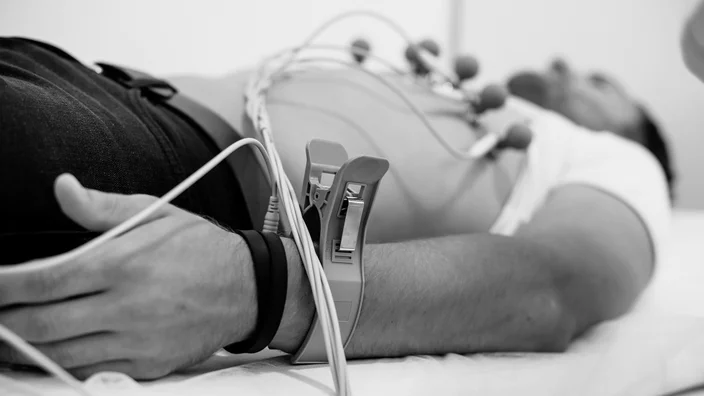
In-office EKGs are conducted using a 12-lead machine. Electrodes are placed in specific spots on the chest, arms, and legs. The equipment captures a detailed, multi-angle view of the heart’s electrical activity over a short time period—usually 10 seconds.
Benefits of in-office EKGs include:
- High diagnostic accuracy
- Multiple leads for full cardiac mapping
- Performed and interpreted by trained clinicians
- Stored in the patient’s medical record for future comparison
Because of their precision and standardization, in-office EKGs are used in hospitals, clinics, and urgent care centers to evaluate both acute and chronic conditions.
At-home EKG: what’s available
At-home EKG options usually involve single-lead devices, which capture a limited snapshot of heart activity. These devices may be:
- Smartphone-compatible sensors
- Wearable monitors (like fitness trackers with EKG capability)
- Handheld personal EKG machines
They’re often marketed for wellness tracking, but some are FDA-cleared for medical monitoring under a doctor’s supervision.
Common uses of at-home EKGs include:
- Tracking episodes of irregular heartbeats
- Monitoring heart rate trends over time
- Supporting patients with known arrhythmias
- Providing peace of mind for those at higher risk
Comparing accuracy and detail
The main difference between the two types of EKGs lies in their depth and diagnostic utility.
In-office EKGs offer:
- 12-lead analysis for full heart visualization
- Higher sensitivity for detecting heart attacks, blockages, and conduction delays
- Direct medical oversight during the test
- Immediate comparison to past results or further testing if needed
At-home EKGs typically offer:
- Single-lead recordings (some may have more)
- A limited view of electrical activity, often enough for rhythm tracking
- Results that may be stored in an app or emailed to a provider
- Less context for interpreting more complex cardiac conditions
While at-home devices can detect certain rhythm abnormalities like atrial fibrillation, they are not as comprehensive or reliable as in-office tests for diagnosing structural heart disease or ischemia.
Convenience and accessibility
When it comes to ease of use and accessibility, at-home devices have the advantage. They offer:
- On-demand readings from the comfort of home
- No appointment required
- Quick tracking during symptoms like fluttering or skipped beats
- Greater comfort for people with anxiety around medical offices
However, these conveniences may come at the cost of accuracy. In-office EKGs remain the gold standard for a full diagnostic assessment and often lead to faster action if problems are detected.
When an in-office EKG is better
There are specific situations where an in-office EKG is clearly the better option. These include:
- Experiencing chest pain or shortness of breath
- Evaluation before surgery or major procedures
- Unexplained fainting or dizziness
- Known history of heart disease or risk factors
- High blood pressure or diabetes with new symptoms
In these cases, a detailed multi-lead EKG can help identify urgent or hidden problems that a single-lead home device could miss.
When at-home EKGs are helpful
At-home devices serve a useful role in ongoing monitoring—especially for people already under a cardiologist’s care. They’re helpful when:
- You’ve been diagnosed with an arrhythmia and need frequent checks
- You’re looking to document symptoms that happen occasionally
- You want to share rhythm trends with your doctor during telehealth visits
- You’re managing stress, fitness, or other lifestyle factors related to heart health
Used correctly, these tools can empower patients to take a more active role in their care—but they shouldn’t replace professional evaluation.
Key considerations for both options
If you’re weighing the pros and cons of each type of EKG, consider the following factors:
| Aspect | In-Office EKG | At-Home EKG |
|---|---|---|
| Detail | High (12-lead) | Limited (1–6 leads) |
| Use case | Diagnosis, screening, emergencies | Monitoring, rhythm tracking |
| Supervision | Performed by healthcare team | Self-applied or unsupervised |
| Interpretation | Immediate by a provider | Often app-based or delayed review |
| Cost | May be covered by insurance | Out-of-pocket device purchase |
Both types have value—what matters is using the right one for your health needs and ensuring your care is guided by a professional when necessary.
Takeaway
In-office and at-home EKGs each have their place in modern healthcare. While at-home devices offer convenience and help with ongoing rhythm tracking, they are not a replacement for the detailed insights of a clinical 12-lead EKG. If you’re managing heart symptoms or have risk factors, starting with an in-office evaluation is often the best way to get clear, accurate results—and peace of mind.