In today’s fast-paced world, it’s easy to get caught up in the demands of work, family, and daily obligations. Often, we put our own needs last, believing that productivity and responsibilities must always come first. …
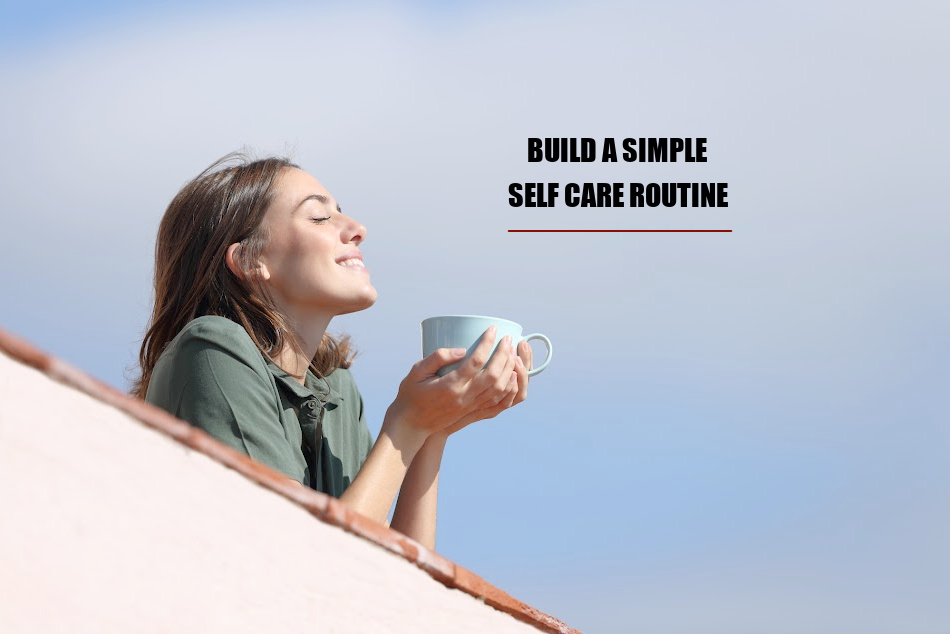
Building a Self-Care Routine
June 6, 2025
In today’s fast-paced world, it’s easy to get caught up in the demands of work, family, and daily obligations. Often, we put our own needs last, believing that productivity and responsibilities must always come first. However, neglecting your well-being can lead to burnout, stress, and even physical health issues. That’s why building a self-care routine is essential—not just for relaxation, but for sustaining your long-term health and happiness.
What Is Self-Care?
Self-care is the practice of taking deliberate steps to maintain and improve your mental, emotional, and physical well-being. It’s not just about bubble baths or spa days—although those can be part of it—but about creating a consistent routine that supports your whole self. Whether it’s five minutes of quiet reflection or an hour-long yoga session, self-care is a personal commitment to your well-being.
The Benefits of a Self-Care Routine
Establishing a self-care routine can have profound effects on all aspects of your life. Physically, it can improve sleep quality, boost your immune system, and reduce the risk of chronic illnesses. Mentally and emotionally, it helps lower stress levels, improves focus, and supports emotional regulation.
Moreover, when you take care of yourself, you’re in a better position to take care of others. You’re more patient, more present, and more capable of handling life’s challenges. Self-care is not selfish—it’s foundational.
Steps to Building Your Routine
- Assess Your Needs
Start by identifying areas in your life where you feel depleted. Are you constantly tired? Easily stressed? Lacking motivation? Recognizing where you need support is the first step in designing a self-care plan that works. - Start Small
Don’t try to overhaul your entire life overnight. Begin with simple practices like drinking more water, setting a regular bedtime, or taking short breaks throughout your day. - Incorporate Variety
Self-care isn’t one-size-fits-all. Include a mix of physical, emotional, mental, and even spiritual practices. This could be exercising, journaling, meditating, reading, or spending time in nature. - Be Consistent
The key to success is consistency. Treat your self-care routine as you would any other important appointment. Schedule it, stick to it, and make it a non-negotiable part of your life. - Set Boundaries
Sometimes self-care means saying “no” to things that drain you. Learn to protect your time and energy by setting healthy boundaries in your relationships and commitments. - Reflect and Adjust
Your needs may change over time, so it’s important to regularly check in with yourself and adjust your routine accordingly. What worked last year may not be right for you now—and that’s okay.
Making Self-Care a Priority
The truth is, many people struggle with guilt when they focus on themselves. But self-care is not a luxury—it’s a necessity. By prioritizing your well-being, you are investing in a healthier, more fulfilling life.
Don’t wait for stress, anxiety, or health problems to force you into self-care. Start today by carving out just a few minutes for yourself. Build from there, and you’ll soon discover that even small steps can create big changes.
If you’re feeling overwhelmed or unsure where to begin, support is available. A wellness professional can help guide you in creating a personalized self-care plan tailored to your needs.
Call 305-344-CARE (2273) to speak with someone who can help you take the first step toward a healthier, more balanced life.
beach medical helpbeachside medical clinicdehydration treatment Miamiemergency clinic Miami BeachER alternative Miamifast care South Floridafood poisoning clinicheat exhaustion Miami Beachjet lag recovery IVkid-friendly urgent careMiami Beach health tipsMiami Beach local doctorMiami nightlife recoveryquick STD testing Miamiquick X-rays MiamiSouth Beach flu seasonsports injury Miami Beachsunburn treatment Miamiurgent care for travelerswound care clinic