
A stye can be painful, swollen, and downright annoying—but it’s also a very common and usually minor eye issue. The good news is that most styes respond well to home treatment. However, if your symptoms …
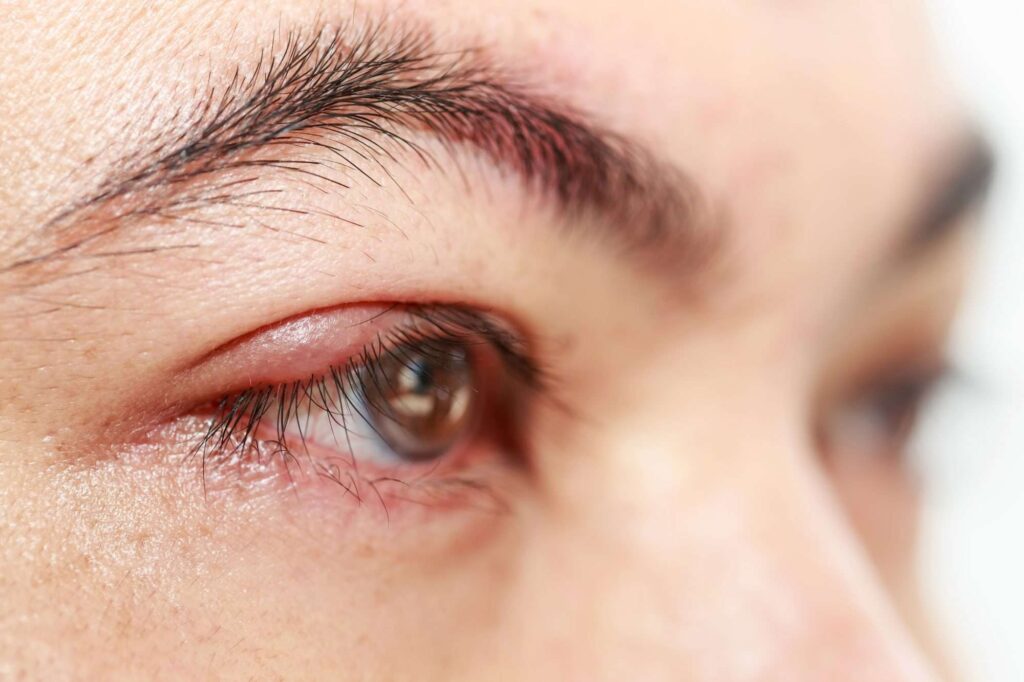
Can urgent care treat a stye?
July 7, 2025
A stye can be painful, swollen, and downright annoying—but it’s also a very common and usually minor eye issue. The good news is that most styes respond well to home treatment. However, if your symptoms persist, get worse, or affect your vision, urgent care can provide quick relief and prevent complications.
Here’s how to manage a stye at home, plus when it’s time to seek professional help.
How to Treat a Stye at Home
Most styes heal within a week with simple care. Try these steps to speed up healing and minimize discomfort:
- Apply a Warm Compress
Soak a clean washcloth in warm (not hot) water, wring it out, and place it over the stye for 10–15 minutes, 3 to 4 times a day. Warmth encourages drainage and reduces swelling. - Keep the Area Clean
Gently wash your eyelids with mild soap (like diluted baby shampoo) and water. Avoid using harsh cleansers or rubbing the eye. - Don’t Squeeze or Pop It
Let the stye drain on its own. Trying to pop it can spread bacteria and cause a worse infection or scarring. - Avoid Eye Makeup and Contact Lenses
Give your eye time to heal. Using mascara or contacts can irritate the area or introduce new bacteria. - Use Over-the-Counter Pain Relievers if Needed
If the stye is particularly sore, you can take ibuprofen or acetaminophen for comfort—just follow dosing instructions carefully.
When to Visit Urgent Care
A stye typically isn’t dangerous, but medical treatment is necessary if:
- Swelling spreads beyond the eyelid or affects the entire eye
- The stye hasn’t improved after several days of warm compresses
- You have trouble seeing, blinking, or opening the eye
- The pain becomes severe or the bump gets larger
- There’s yellow discharge, crusting, or signs of spreading infection
- You get frequent styes
At urgent care, a provider can examine the stye and may prescribe antibiotic ointment or drops to help clear it up. In some cases, they may gently drain a stye if it’s not resolving on its own.
Common Mistakes to Avoid
- Don’t apply makeup or lotions to the area. These can trap bacteria and delay healing.
- Avoid touching or rubbing your eyes—even if it itches. Always wash your hands before and after treating a stye.
- Never share towels or eye products. Styes are caused by bacteria and can be contagious in close contact.
- Don’t stop warm compresses too soon. Continue using them daily until the stye is fully gone.
Bonus Tip:
Throw out any old or expired makeup, especially mascara or eyeliner, if you’ve had a stye. These products often carry bacteria that can reinfect your eyes.
Final Thought
While most styes can be managed safely at home, urgent care clinics are ready to help when symptoms worsen or linger. Prompt treatment helps reduce discomfort, prevent complications, and get you back to normal faster.
If symptoms get worse or don’t improve, visit your local urgent care provider for professional evaluation.
Hey Did You Know We Have an IV Therapy Spa Inside? Check out our drip menu!



















