As the temperature drops and the air turns chilly, it’s common to come down with a sniffle or a cough. But how do you know whether you're dealing with a common cold or the flu? …
Cold vs. Flu: Know the Difference
June 5, 2025
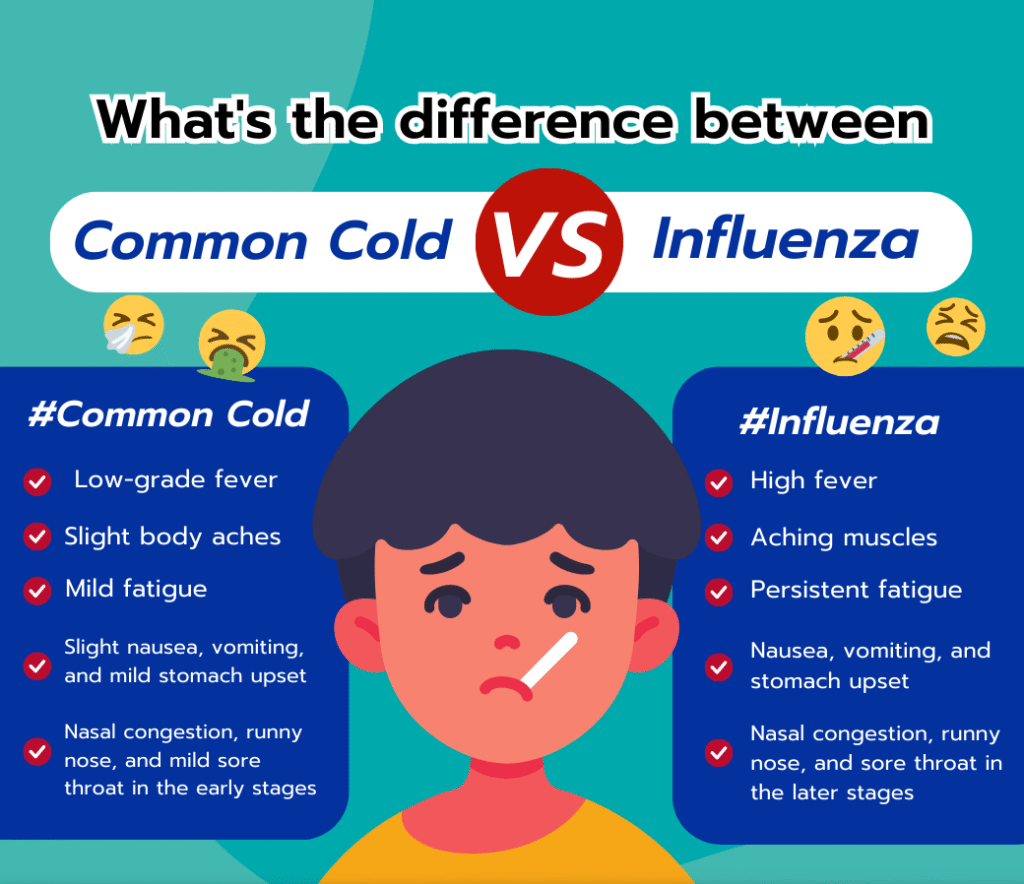
As the temperature drops and the air turns chilly, it’s common to come down with a sniffle or a cough. But how do you know whether you’re dealing with a common cold or the flu? Though these illnesses share some overlapping symptoms, they are caused by different viruses and can affect your body in very different ways. Knowing the difference between the two can help you manage symptoms more effectively and know when to seek medical attention.
What Is the Common Cold?
The common cold is a mild viral infection that affects your upper respiratory tract—mainly the nose and throat. It is typically caused by rhinoviruses and is highly contagious. Though uncomfortable, a cold is usually harmless and resolves on its own within 7–10 days.
Common Cold Symptoms:
- Runny or stuffy nose
- Sore throat
- Cough
- Mild fatigue
- Sneezing
- Mild headache or body aches
- Low-grade or no fever
Colds tend to develop gradually and start with a scratchy throat or nasal congestion. Symptoms usually stay relatively mild.
What Is the Flu?
The flu (influenza) is a more serious viral infection that can cause severe symptoms and lead to complications, especially in young children, the elderly, and people with underlying health conditions. Flu viruses spread rapidly and can cause outbreaks, particularly in fall and winter months.
Flu Symptoms:
- Sudden onset of high fever (100.4°F or higher)
- Chills and sweats
- Severe muscle or body aches
- Headache
- Persistent dry cough
- Fatigue and weakness
- Sore throat
- Nasal congestion (less common than with colds)
The flu comes on quickly and can leave you feeling drained for several days or even weeks. Unlike the cold, the flu is often accompanied by fever and more intense body aches.
Key Differences Between Cold and Flu
| Symptom | Cold | Flu |
|---|---|---|
| Onset | Gradual | Sudden |
| Fever | Rare or low-grade | Common and high |
| Body Aches | Mild | Severe |
| Fatigue | Mild to moderate | Moderate to severe |
| Cough | Mild and productive | Dry and persistent |
| Headache | Rare | Common |
| Duration | 7–10 days | 1–2 weeks or longer |
When to Seek Medical Help
While both cold and flu typically resolve without major medical intervention, certain symptoms and risk factors should prompt you to seek professional care:
- Difficulty breathing or shortness of breath
- Chest pain or pressure
- High fever that lasts more than three days
- Persistent vomiting
- Symptoms that improve but then return worse
- Signs of dehydration (dry mouth, dizziness, reduced urination)
- Symptoms in high-risk groups (infants, elderly, pregnant women, or those with chronic conditions)
Antiviral medications are available for the flu and are most effective when taken within the first 48 hours of symptoms. Early diagnosis can shorten the duration of illness and reduce the risk of complications.
Prevention Tips
- Get vaccinated annually against the flu.
- Wash your hands frequently with soap and water.
- Avoid close contact with sick individuals.
- Disinfect surfaces that may be contaminated.
- Maintain a strong immune system with proper nutrition, hydration, sleep, and exercise.
Don’t Guess—Get Checked
If you’re unsure whether you’re dealing with a cold or the flu, it’s best to consult a healthcare provider. Quick tests can confirm a flu diagnosis, and professional guidance can help you recover faster and avoid spreading the illness to others.
Don’t wait until your symptoms worsen. Call 305-344-CARE (2273) today to schedule a same-day appointment or speak with a healthcare professional.
beach medical helpbeachside medical clinicdehydration treatment Miamiemergency clinic Miami BeachER alternative Miamifast care South Floridafood poisoning clinicheat exhaustion Miami Beachjet lag recovery IVkid-friendly urgent careMiami Beach health tipsMiami Beach local doctorMiami nightlife recoveryquick STD testing Miamiquick X-rays MiamiSouth Beach flu seasonsports injury Miami Beachsunburn treatment Miamiurgent care for travelerswound care clinic