
It’s a fair and important question—and many people ask it when they notice sudden weight gain, especially around the belly, face, and upper back. While typical weight gain is often due to diet, stress, or …
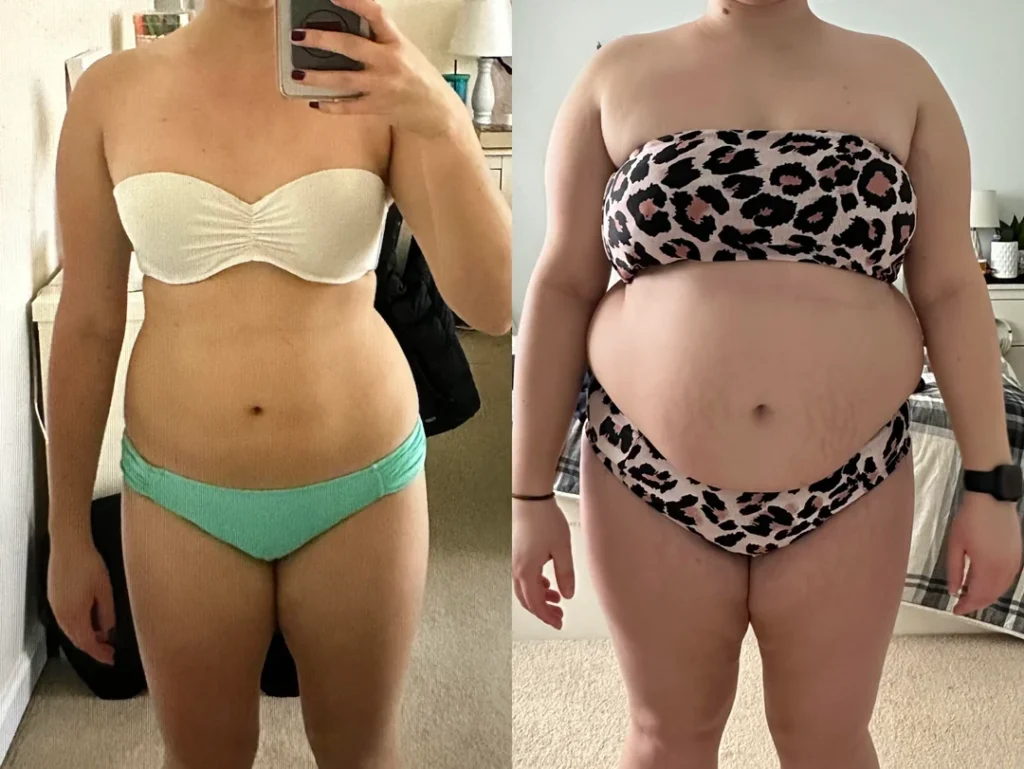
Do I have cushing’s or am I just fat?
July 8, 2025
It’s a fair and important question—and many people ask it when they notice sudden weight gain, especially around the belly, face, and upper back. While typical weight gain is often due to diet, stress, or lifestyle, Cushing’s syndrome is a rare medical condition caused by excess cortisol (the body’s main stress hormone). It can cause specific physical changes that look different from general fat gain.
If you’re feeling uncertain, understanding the key signs of Cushing’s vs. ordinary weight gain can help you decide whether to seek medical advice.
1. Weight gain in unusual places
- Cushing’s: Fat tends to gather in very specific areas—the face (moon face), upper back (buffalo hump), and abdomen. Meanwhile, the arms and legs may actually become thinner.
- Typical weight gain: Fat is usually more evenly distributed across the body, depending on genetics, diet, and activity level.
2. Facial changes
- Cushing’s: A noticeably round, full face even if you haven’t gained weight elsewhere. This “moon face” appearance is one of the most distinct features.
- Regular weight gain: The face may fill out gradually but is usually in proportion with other body areas.
3. Skin and muscle changes
- Cushing’s: Skin becomes thin, fragile, or bruises easily. You may notice purple stretch marks (especially on the stomach, thighs, or breasts) and slow-healing cuts. Muscle weakness, especially in the legs, is also common.
- Fat gain: May cause stretch marks, but they are typically lighter in color and not paired with easy bruising or muscle loss.
4. Energy, mood, and cycle changes
- Cushing’s: Can cause fatigue, irritability, anxiety, or depression. Women may have irregular periods or stop menstruating altogether. Men may experience reduced libido.
- Typical fat gain: Energy and mood may shift with lifestyle habits, but not due to a hormonal imbalance. Menstrual changes are not typical unless linked to other conditions.
5. Other common signs of Cushing’s syndrome
- High blood pressure or blood sugar
- Acne or oily skin
- Hair thinning or unwanted facial hair in women
- Difficulty sleeping
- Frequent infections or slow wound healing
6. How is Cushing’s diagnosed?
If Cushing’s is suspected, a provider will usually order:
- 24-hour urine cortisol test
- Late-night salivary cortisol
- Dexamethasone suppression test
- Imaging to check for tumors on the adrenal or pituitary glands
These tests help determine if your body is producing too much cortisol—and why.
When to visit urgent care or a medical provider
Visit urgent care or schedule a primary care appointment if you notice:
- Sudden weight gain that doesn’t match changes in eating or activity
- Fat mostly around the face, neck, or upper back
- Unusual bruising, stretch marks, or hair changes
- Emotional symptoms paired with physical changes
- Irregular periods or loss of muscle tone
Urgent care can begin the process by reviewing symptoms and ordering preliminary labs. If needed, they’ll refer you to an endocrinologist for full testing.
Final thought
Cushing’s syndrome is rare—but real. If your weight gain is sudden, targeted, and paired with skin, mood, or menstrual changes, it’s worth getting evaluated. On the other hand, general weight gain from diet or lifestyle is far more common and typically doesn’t come with these other red flags.
If symptoms get worse or don’t improve, visit your local urgent care provider for professional evaluation.
Hey Did You Know We Have an IV Therapy Spa Inside? Check out our drip menu!
belly fat causesbuffalo humpcortisol and weight gaincushing’s syndrome symptomscushing’s vs fatendocrine disorderfacial bloatingfat redistributionfatigue and belly fathigh cortisol symptomshormonal bellymenstrual changesmoon facepurple stretch markssigns of cortisol excessstress hormone imbalanceunusual weight gainurgent care evaluationwhen to see urgent care



















