
Whether you’re going on a weekend getaway or an extended international adventure, being medically prepared is key to staying healthy on the road. Travel brings exposure to new environments, unfamiliar foods, and unpredictable situations—all of …
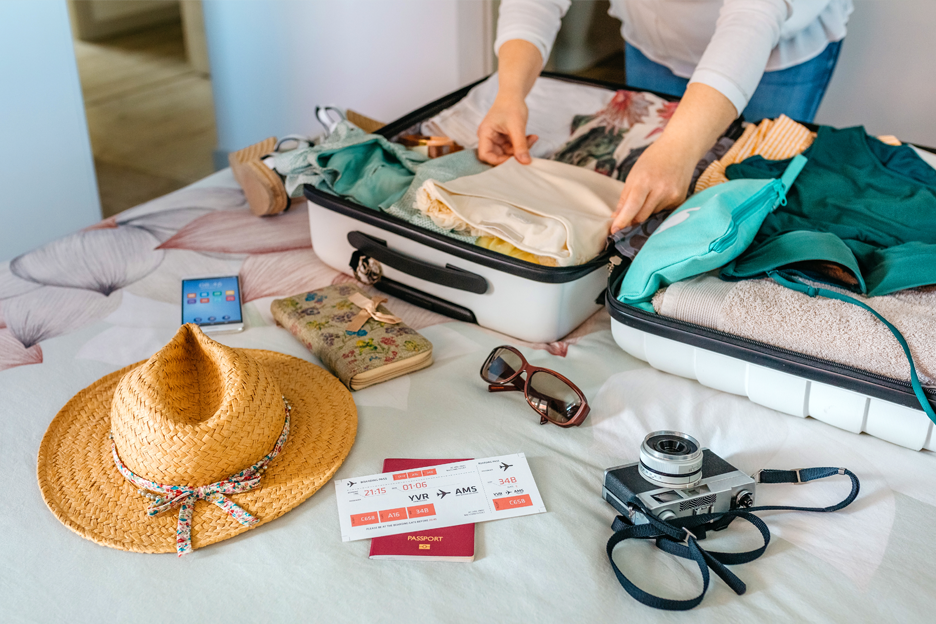
Essential Travel Medications to Pack
July 12, 2025
Whether you’re going on a weekend getaway or an extended international adventure, being medically prepared is key to staying healthy on the road. Travel brings exposure to new environments, unfamiliar foods, and unpredictable situations—all of which can trigger illness or discomfort. Having a well-stocked travel medication kit helps you manage minor issues and respond quickly to more serious concerns.
This guide outlines the most important over-the-counter and prescription medications to pack, along with tips for organizing and transporting them safely.
Start with your personal prescriptions
The most important medications to pack are the ones you take regularly. Running out while abroad can be challenging, especially in areas with limited pharmacies or language barriers.
Before your trip:
- Pack enough for the entire trip, plus a few extra days in case of delays
- Keep all medications in original, labeled containers
- Bring a written list of your medications with dosages
- Carry a copy of your prescriptions (paper and digital)
- Store them in your carry-on luggage to avoid loss or theft
- If you take refrigerated medications, use a portable cooler with cold packs
Some medications may be restricted or require documentation in certain countries, so verify entry requirements ahead of time.
Pain relief and fever reducers
Changes in climate, long travel days, or minor injuries can trigger discomfort. Pack pain relievers that are familiar to you and safe for your health history.
Recommended options:
- Acetaminophen (paracetamol): For general pain and fever
- Ibuprofen or naproxen: For inflammation, headaches, or joint pain
- Topical pain creams or patches: Useful for backaches or soreness after long flights
Avoid trying new medications on the road—stick with what your body tolerates well.
Medications for gastrointestinal issues
Digestive problems are among the most common travel complaints. Pack a selection of medications to address nausea, gas, constipation, and diarrhea.
Include:
- Loperamide: For short-term control of diarrhea
- Bismuth subsalicylate: For nausea, upset stomach, or traveler’s diarrhea prevention
- Antacids or acid reducers: For heartburn or indigestion
- Laxatives or stool softeners: In case of constipation due to dietary changes
- Oral rehydration salts or electrolyte powders: For hydration support
If you’re visiting a high-risk destination, ask your provider about a standby antibiotic for traveler’s diarrhea.
Allergy and sinus relief
Environmental changes, unfamiliar plants, or dusty hotel rooms can trigger allergy symptoms. Keep allergy and respiratory relief medications accessible during your trip.
Helpful medications:
- Antihistamines (e.g., loratadine, cetirizine): For seasonal allergies, hives, or mild allergic reactions
- Nasal sprays (saline or steroid-based): For congestion or dryness
- Eye drops: For redness, irritation, or dryness due to air travel
If you have a history of severe allergic reactions, carry an epinephrine auto-injector and make sure it’s not expired.
Motion sickness and nausea control
Travel by boat, plane, or winding roads can cause motion sickness for some people. Prevention and early treatment help avoid discomfort.
Pack options like:
- Dimenhydrinate or meclizine: For motion-related nausea
- Scopolamine patches: For longer trips (prescription required)
- Ginger capsules or chews: A natural alternative for mild cases
Take medication before your journey starts, especially on boats or during high-turbulence flights.
First aid basics
For cuts, scrapes, insect bites, or minor burns, include a compact first aid kit in your travel bag.
Suggested items:
- Adhesive bandages (various sizes)
- Antiseptic wipes or ointment
- Tweezers and small scissors
- Insect bite cream (hydrocortisone or antihistamine-based)
- Digital thermometer
- Blister pads for long walking days
Even minor wounds can become infected in humid or dusty environments, so prompt care is important.
Cold and flu relief
Crowded airports, long-haul flights, and changes in climate can make you more susceptible to respiratory infections. Be ready with basic symptom relief.
Pack:
- Cough drops or throat lozenges
- Decongestants (oral or nasal spray)
- Cough suppressant
- Thermometer
- Face masks (optional, but useful in crowded settings)
For longer trips, include zinc or vitamin C if you find them helpful during illness recovery.
Sun and skin care medications
Sunburn, insect bites, and dry skin can catch travelers off guard. Prepare for different climates by packing protective and soothing skin products.
Recommended items:
- Broad-spectrum sunscreen (SPF 30 or higher)
- Aloe vera gel or after-sun lotion
- Insect repellent with DEET or picaridin
- Antifungal powder or cream (for humid destinations)
- Lip balm with SPF
If you’re hiking, camping, or visiting remote areas, add protective clothing or mosquito nets to your travel prep list.
Organizing your medications for travel
To keep things efficient and TSA-friendly, consider the following packing tips:
- Use a clear, zippered pouch to store medications together
- Separate daily-use meds from as-needed items
- Label everything clearly in case someone else needs to help you in an emergency
- Bring a medication schedule if you’re crossing time zones
- Include a small pill organizer if you take multiple medications daily
Carrying medications in your carry-on (not checked luggage) ensures access during travel delays.
Takeaway
Packing the right travel medications helps prevent minor issues from turning into major problems while you’re away from home. By planning for common travel illnesses and making sure your daily prescriptions are well-managed, you can travel more confidently and comfortably. A little preparation goes a long way toward keeping your trip healthy and stress-free.



















