Eating healthy is often associated with high costs, organic labels, and fancy health food stores. But the truth is, you don’t need a big grocery budget to nourish your body with nutritious, wholesome meals. With …
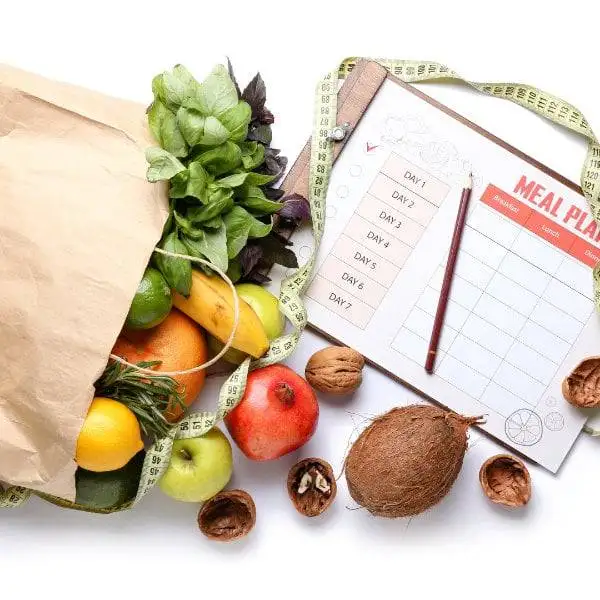
Healthy Eating on a Budget
June 6, 2025
Eating healthy is often associated with high costs, organic labels, and fancy health food stores. But the truth is, you don’t need a big grocery budget to nourish your body with nutritious, wholesome meals. With a little planning, smart shopping, and creativity in the kitchen, you can eat well and feel great—without overspending.
Here’s how you can enjoy healthy eating on a budget and make every bite count.
1. Plan Your Meals and Make a List
Meal planning is the foundation of budget-friendly eating. Before heading to the store, take time to:
- Plan meals for the week using affordable ingredients.
- Check what you already have in your pantry and fridge.
- Make a grocery list and stick to it to avoid impulse buys.
When you plan ahead, you reduce waste, save money, and avoid the temptation of takeout or processed foods.
2. Buy Whole Foods Instead of Processed
Packaged foods may seem convenient, but they’re often more expensive and less nutritious. Instead, focus on whole ingredients:
- Oats instead of sugary cereals
- Brown rice, quinoa, or whole-wheat pasta instead of boxed meals
- Fresh or frozen fruits and vegetables instead of canned options with additives
Whole foods are more filling, versatile, and better for your long-term health.
3. Choose Plant-Based Proteins
Meat and seafood can take up a large portion of your grocery bill. Consider incorporating more plant-based proteins such as:
- Lentils
- Black beans
- Chickpeas
- Tofu
- Peanut butter
- Eggs
These are not only affordable but also rich in fiber, vitamins, and minerals.
4. Buy in Bulk and Use Store Brands
Buying in bulk can save you money on staples like:
- Rice
- Beans
- Pasta
- Flour
- Nuts
Many stores also offer generic or store-brand versions of popular items that are nutritionally equivalent but significantly cheaper.
5. Use Frozen Fruits and Vegetables
Frozen produce is often picked at peak ripeness and flash-frozen, making it just as nutritious as fresh produce—sometimes even more so. It’s budget-friendly, long-lasting, and great for smoothies, stir-fries, soups, and more.
6. Cook at Home and Avoid Food Waste
Cooking at home allows you to control ingredients, portions, and cost. Leftovers can be repurposed into new meals—think soups, salads, wraps, or grain bowls.
Try batch cooking: prepare large portions of meals like chili, stews, or casseroles and freeze the extras for busy days.
7. Shop Seasonal and Local
Seasonal produce is usually more affordable and fresher. Visit local farmers’ markets or check weekly store sales to get the best deals on in-season fruits and vegetables.
8. Drink Water
Skip sugary drinks and sodas. Water is free (or inexpensive), essential for your health, and a simple way to save money. If you need flavor, add a splash of lemon or cucumber slices.
9. Limit Eating Out
Restaurant meals and fast food add up quickly. Even small purchases like coffee or snacks can become a major expense. Reserve dining out for special occasions and focus on home-prepared meals as your default.
10. Keep It Simple
You don’t need exotic ingredients to eat healthy. Stick to basic meals with simple ingredients, such as:
- Stir-fried vegetables with rice
- Omelets with leftover veggies
- Soups made with beans, grains, and vegetables
- Overnight oats with fruit
Nutritious meals can be quick, easy, and inexpensive.
Final Thoughts
Healthy eating doesn’t have to be expensive. With a bit of planning and smart shopping, you can fuel your body with nutrient-rich meals that support your health and your wallet. Making small, consistent choices adds up over time—and your body will thank you.
Need help getting started with healthy lifestyle changes? Call 305-344-CARE (2273) to speak with a healthcare professional who can support your wellness journey.
beach medical helpbeachside medical clinicdehydration treatment Miamiemergency clinic Miami BeachER alternative Miamifast care South Floridafood poisoning clinicheat exhaustion Miami Beachjet lag recovery IVkid-friendly urgent careMiami Beach health tipsMiami Beach local doctorMiami nightlife recoveryquick STD testing Miamiquick X-rays MiamiSouth Beach flu seasonsports injury Miami Beachsunburn treatment Miamiurgent care for travelerswound care clinic