
Herpes is one of the most common sexually transmitted infections (STIs) in the world. It is caused by the herpes simplex virus (HSV), which comes in two types: HSV-1 and HSV-2. While both types can …
Herpes 101: What You Need to Know
June 5, 2025
Herpes is one of the most common sexually transmitted infections (STIs) in the world. It is caused by the herpes simplex virus (HSV), which comes in two types: HSV-1 and HSV-2. While both types can cause infections in either the genital or oral areas, HSV-1 most commonly causes oral herpes (cold sores), and HSV-2 is typically associated with genital herpes.
At Miami Beach Urgent Care, we want to help demystify herpes and provide the information you need to protect your health and make informed decisions about testing, treatment, and prevention.
In this article, we’ll break down everything you need to know about herpes, including symptoms, testing, treatment, and how to live with the virus.
What Is Herpes?
Herpes is an infection caused by the herpes simplex virus (HSV). The virus is highly contagious and can be spread through direct skin-to-skin contact, particularly during outbreaks when symptoms are present. However, it’s also possible to transmit herpes when no visible symptoms are present—a condition called asymptomatic shedding.
Types of Herpes:
- HSV-1 (Oral Herpes): This type most commonly causes cold sores around the mouth but can also affect the genital area through oral sex. Many people are infected with HSV-1 in childhood, often through non-sexual contact.
- HSV-2 (Genital Herpes): HSV-2 is primarily responsible for genital herpes, characterized by painful sores and blisters in the genital, anal, or rectal areas.
What Are the Symptoms of Herpes?
The symptoms of herpes can vary from person to person. Some people may experience severe outbreaks with painful sores, while others may have mild or no symptoms at all. However, when symptoms do appear, they typically follow this pattern:
Initial Outbreak (Primary Infection)
The first time someone contracts herpes, they may experience a more intense outbreak, which can last anywhere from 2 to 4 weeks. Symptoms of the primary infection can include:
- Painful sores or blisters: These usually appear on or around the genitals, mouth, rectum, or anus.
- Itching or tingling: Many people experience a tingling or itching sensation in the area before sores appear.
- Flu-like symptoms: This can include fever, swollen lymph nodes, headache, muscle aches, and general fatigue.
- Pain during urination: This can occur if sores appear near the genital area.
- Vaginal or penile discharge: In some cases, you may notice unusual discharge during an outbreak.
Recurrence
After the initial outbreak, the herpes virus remains dormant in the body. The virus can reactivate and cause recurring outbreaks, although the symptoms are often less severe. Recurrences may be triggered by:
- Stress
- Illness or fever
- Hormonal changes (such as menstruation)
- Fatigue
- Sun exposure
- Weakened immune system
During a recurrence, the sores may heal faster and appear less severe, but the virus can still be transmitted to others.
How Is Herpes Spread?
Herpes is primarily spread through direct skin-to-skin contact, and it’s especially contagious when active sores are present. However, the virus can still be transmitted even if no visible sores are present due to asymptomatic shedding. Here are the common ways herpes is transmitted:
- Oral sex: HSV-1 can be passed from one person’s mouth to another person’s genital area, or vice versa, causing oral or genital herpes.
- Genital sex: HSV-2 is primarily transmitted through genital-to-genital contact, although HSV-1 can also spread this way.
- Skin-to-skin contact: Even without active sores, skin-to-skin contact with an infected person’s affected area can spread the virus.
- Sharing personal items: Less common, but sharing items like towels, lip balm, or razors can increase the risk of spreading the virus if they come into contact with infected skin.
Can Herpes Be Cured?
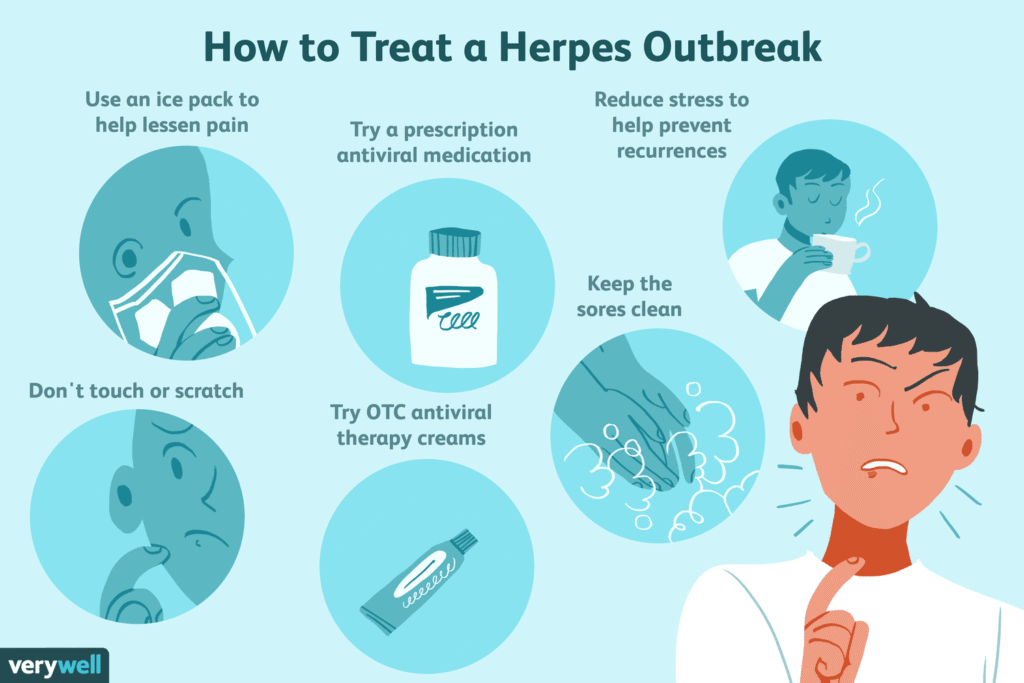
Currently, there is no cure for herpes. Once you are infected, the virus remains in your body for life. However, the good news is that herpes can be managed effectively with antiviral medications. These medications don’t cure the infection but help:
- Reduce the frequency and severity of outbreaks.
- Shorten the duration of an outbreak.
- Lower the likelihood of transmitting the virus to others.
Common Antiviral Medications for Herpes:
- Acyclovir (Zovirax)
- Valacyclovir (Valtrex)
- Famciclovir (Famvir)
These medications can be taken during an outbreak or as suppressive therapy to prevent future outbreaks, especially if you have frequent flare-ups.
How Is Herpes Diagnosed?
Diagnosing herpes involves a combination of clinical evaluation and laboratory tests. Your healthcare provider may ask you about your symptoms, sexual history, and any known exposure to the virus. The following tests may be used to diagnose herpes:
- Visual inspection: A healthcare provider may examine the sores and blisters and take a sample of the fluid to test for HSV.
- Polymerase Chain Reaction (PCR) test: A PCR test detects the genetic material of the herpes virus and is highly accurate. It may be done using a swab from an active lesion or a blood sample.
- Blood tests: A blood test can detect antibodies to the herpes virus. It is not used to diagnose an active infection but can indicate a past infection with either HSV-1 or HSV-2.
How to Prevent Herpes
While there is no foolproof way to prevent herpes entirely, there are several measures you can take to reduce your risk:
- Use condoms: Condoms can help prevent the transmission of herpes during vaginal, anal, or oral sex, though they do not provide 100% protection as herpes can spread from areas not covered by a condom.
- Avoid sexual activity during outbreaks: The virus is most contagious when sores are present. If you or your partner have an outbreak, it’s essential to refrain from sexual activity until the sores are completely healed.
- Take antiviral medication: If you have frequent outbreaks, suppressive therapy with antiviral medications can reduce the likelihood of transmitting herpes to your partner.
- Communicate with your partner: It’s important to have open, honest conversations about herpes with any sexual partner. You should both discuss your health status and consider getting tested before engaging in sexual activity.
Living with Herpes
Living with herpes may be challenging emotionally, but it’s important to remember that herpes is common, and many people lead fulfilling, healthy lives with the virus. Support groups, education, and antiviral treatments can help manage both the physical and emotional impact of the virus.
Need Herpes Testing or Treatment in Miami Beach?
At Miami Beach Urgent Care, we offer discreet and confidential herpes testing and treatment options. Whether you’re concerned about symptoms, need a diagnosis, or want to learn more about managing herpes, our compassionate medical team is here to help.
Call us today at +1 305-344-2273 or walk in to get tested and receive the care you need. We’re here to support your health and well-being every step of the way.
beach medical helpbeachside medical clinicdehydration treatment Miamiemergency clinic Miami BeachER alternative Miamifast care South Floridafood poisoning clinicheat exhaustion Miami Beachjet lag recovery IVkid-friendly urgent careMiami Beach health tipsMiami Beach local doctorMiami nightlife recoveryquick STD testing Miamiquick X-rays MiamiSouth Beach flu seasonsports injury Miami Beachsunburn treatment Miamiurgent care for travelerswound care clinic



















