
Falls happen frequently, whether from tripping over an object, slipping on a wet surface, or a minor accident during play. While most falls cause only minor injuries like bruises, scrapes, or strains, proper home care …
Home Care Tips for Minor Injuries After a Fall
July 3, 2025
Falls happen frequently, whether from tripping over an object, slipping on a wet surface, or a minor accident during play. While most falls cause only minor injuries like bruises, scrapes, or strains, proper home care is essential to ensure a safe and speedy recovery.
This guide shares effective steps to treat minor injuries after a fall and signs that mean you should seek professional evaluation.
1. Assess the Injury Carefully
Right after a fall, take a moment to check the injured area:
- Look for cuts, scrapes, bruises, swelling, or deformity
- Ask if there’s pain and where it’s located
- Check for any difficulty moving the affected limb or joint
If the injury looks serious (deep cut, bone sticking out, severe pain, or inability to move), seek urgent care immediately.
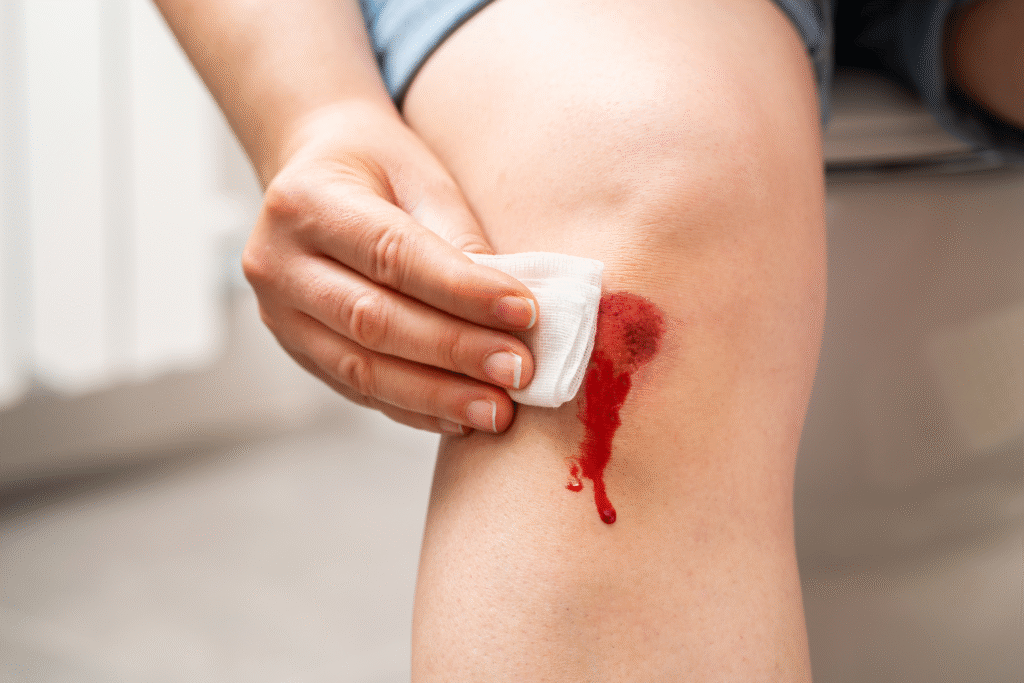
2. Clean Scrapes and Cuts
For minor scrapes or shallow cuts:
- Wash your hands thoroughly before touching the wound
- Rinse the area gently with clean water to remove dirt and debris
- Use mild soap around the wound but avoid harsh scrubbing
- Pat dry with a clean towel
Applying an antibiotic ointment afterward can help prevent infection.
3. Manage Bruising and Swelling
Bruises and swelling are common after falls. To reduce them:
- Apply a cold compress or ice pack wrapped in a cloth to the area for 15–20 minutes every 1–2 hours during the first 48 hours
- Keep the injured part elevated if possible to reduce swelling
- Avoid heat during the first two days as it can increase swelling
4. Relieve Pain and Discomfort
Over-the-counter pain relievers like acetaminophen or ibuprofen can help reduce pain and inflammation. Follow dosage instructions carefully, especially for children.
5. Rest and Protect the Injured Area
Avoid putting too much pressure or strain on the injured part. Rest helps the tissues heal faster. Use supportive braces or wraps if needed for sprains or strains.
6. Monitor for Changes
Watch the injury over the next few days. Look out for:
- Increasing pain, swelling, or redness
- Warmth or tenderness around the injury
- Signs of infection such as pus or fever
- Difficulty using the injured limb
If any of these occur, consult a healthcare provider.
7. When to See Urgent Care
Go to urgent care or a doctor if:
- The injury causes severe pain or swelling
- You suspect a broken bone or dislocation
- There is significant bleeding that doesn’t stop
- You notice numbness, tingling, or weakness
- The injured area becomes red, hot, or shows signs of infection
8. Prevent Future Falls
Simple changes can reduce fall risk at home:
- Keep floors clear of clutter
- Use non-slip mats in bathrooms and kitchens
- Install handrails on stairs
- Ensure good lighting throughout your home
Proper home care for minor injuries after a fall promotes healing and prevents complications. When in doubt, seek professional advice.
If symptoms get worse or don’t improve, visit your local urgent care provider for professional evaluation.
Hey Did You Know We Have an IV Therapy Spa Inside? Check out our drip menu!



















