
It doesn’t take much—a quick bump during sports, an accidental elbow, or even hitting your chin on a counter—to leave your jaw feeling sore and tender. That dull ache or tightness can make eating and …
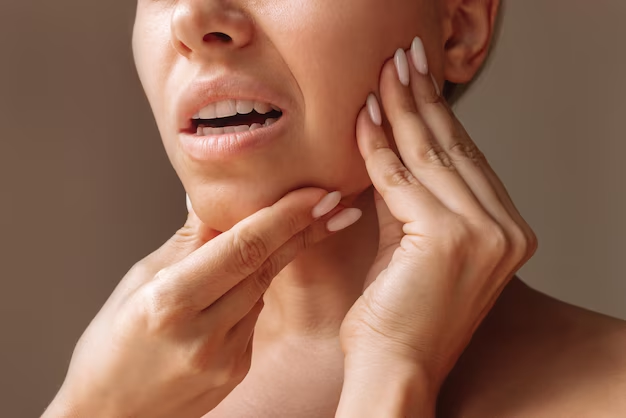
Jaw Sore After a Hit? Here’s How to Calm It Down Naturally
July 3, 2025
It doesn’t take much—a quick bump during sports, an accidental elbow, or even hitting your chin on a counter—to leave your jaw feeling sore and tender. That dull ache or tightness can make eating and talking feel like a chore. But the good news is that most mild jaw injuries can be cared for right at home. 🏠
Here’s what to do if your jaw hurts after an impact—and when to reach out to a medical provider.
🧊 Step 1: Ice First to Minimize Swelling
The first thing to do after a jaw injury is control any swelling or bruising that may start to develop. Ice helps restrict blood flow to the area, calming inflammation.
- Wrap an ice pack or frozen peas in a thin towel
- Apply to the side of your jaw for 10–15 minutes
- Repeat every 2–3 hours during the first 24 hours ❄️
Always keep a layer of cloth between your skin and the cold source to avoid irritation or ice burn.
🥣 Step 2: Go Easy on Your Jaw With Soft Foods
While your jaw heals, it’s essential to minimize strain. That means putting the chips and chewy foods on pause.
Go for:
- Creamy soups
- Applesauce or mashed fruits
- Mashed potatoes or rice
- Oatmeal or smoothies (drink from a cup, not a straw) 🍌🥣
Avoid steak, crunchy snacks, and anything that requires a strong bite. Every bit of rest helps your joint heal faster.
🛌 Step 3: Be Gentle With Jaw Movement
When you’re sore, it’s tempting to stretch your jaw or check how far it opens—but try not to overdo it.
Tips:
- Limit talking for the first day or two
- Avoid yawning wide—support your chin with your hand if needed
- Don’t chew gum or bite your nails
- Sleep on your back or opposite side to avoid pressure 😴
Keeping the joint relaxed helps reduce inflammation and tension.
🔥 Step 4: Try Warm Compresses After Day One
After the first 24–48 hours, if the area feels tight rather than swollen, warm compresses can help improve blood flow and reduce muscle tension.
- Wet a washcloth with warm (not hot) water
- Fold it and apply to the sore side of your jaw
- Hold for 15 minutes, 2–3 times a day
You can alternate warm compresses with gentle jaw stretches once pain subsides.
💊 Step 5: Consider Medication for Pain Relief
If the discomfort interferes with daily life, you can take over-the-counter medications such as:
- Ibuprofen for pain and inflammation
- Acetaminophen if swelling isn’t present
These medications can make it easier to rest, eat, and relax. Just be sure to follow package directions and avoid taking more than recommended.
🩺 When It’s Time to See a Provider
Some symptoms can signal something more serious than a minor bruise. Call urgent care if:
- You can’t open or close your mouth fully
- Pain increases instead of fading
- Your jaw feels like it’s clicking, shifting, or locking
- You feel numbness in the chin or lower lip
- Swelling spreads to your neck or ear area
- Your bite feels “off” when you close your mouth
These can be signs of a joint issue, fracture, or dislocation that should be professionally evaluated.
⛔ What to Avoid While Healing
- Avoid testing your bite—it can worsen inflammation
- Don’t skip meals entirely—your body needs fuel to recover
- Avoid caffeine or alcohol, which may increase muscle tension
- Don’t delay care if symptoms persist past 2–3 days
With care and rest, most sore jaws bounce back in a few days. The key is to treat it gently and monitor any changes in how your mouth opens, closes, or aligns.
If symptoms get worse or don’t improve, visit your local urgent care provider for professional evaluation.
Hey Did You Know We Have an IV Therapy Spa Inside? Check out our drip menu!



















