
Jaw pain after an accidental hit can range from a dull ache to sharp discomfort when eating or speaking. While more serious injuries may need medical attention, many minor jaw injuries can be managed with …
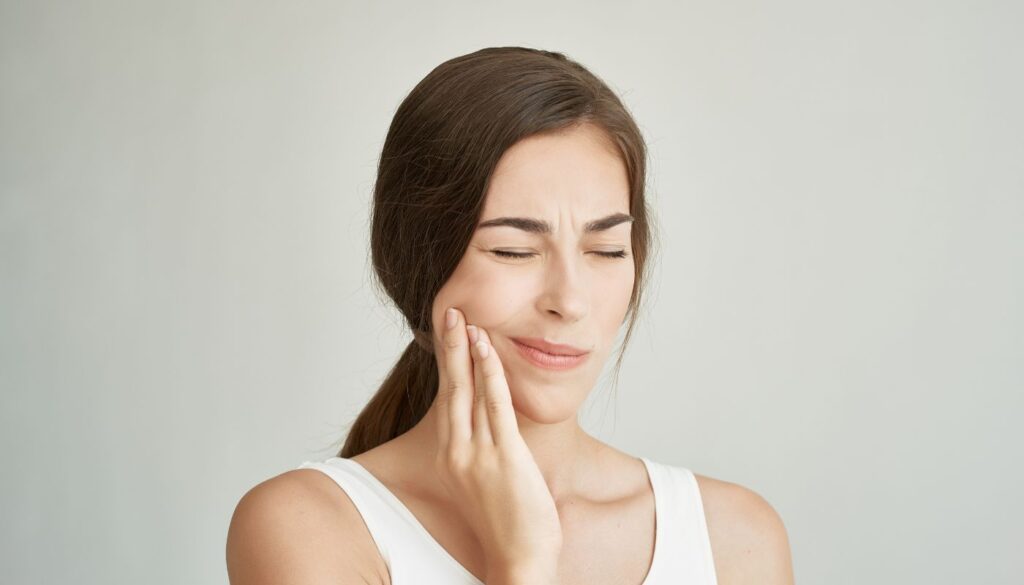
How to Manage Jaw Pain at Home After a Minor Impact
July 3, 2025
Jaw pain after an accidental hit can range from a dull ache to sharp discomfort when eating or speaking. While more serious injuries may need medical attention, many minor jaw injuries can be managed with careful home treatment. With the right steps, you can reduce discomfort, avoid aggravating the injury, and support your body’s natural healing process.
Here’s how to treat a sore jaw at home after a light blow or bump.
Step 1: Apply Cold Compresses Within the First 24 Hours
As soon as possible after the injury, use cold therapy to reduce swelling and limit bruising.
- Wrap a cold pack or a bag of frozen peas in a soft cloth
- Apply it to the sore area of your jaw for 10–15 minutes at a time
- Repeat every few hours during the first day
Avoid direct skin contact with ice, and do not press too hard on the area.
Step 2: Eat Soft, Easy-to-Chew Foods
To reduce pressure on your jaw joint while it heals, modify your diet to include foods that require little to no chewing. Focus on items that are soft, smooth, and easy to swallow.
Recommended foods include:
- Mashed potatoes
- Yogurt or cottage cheese
- Scrambled eggs
- Applesauce
- Cooked cereals like oatmeal
- Blended soups and broths
Avoid anything crunchy, chewy, or hard, such as crackers, gum, raw vegetables, or meat.
Step 3: Limit Jaw Movement to Allow Healing
Your jaw needs rest just like any other joint. During the first couple of days, try to reduce activity that puts strain on your jaw muscles.
- Avoid wide yawning, excessive talking, and laughing
- Don’t chew gum or bite nails
- Try not to clench your teeth, especially while sleeping
- Sleep on your back or the uninjured side with head support
Keeping your jaw relaxed will help reduce tension and pain.
Step 4: Use Moist Heat After the Initial Swelling Goes Down
If your jaw still feels sore or tight after the first day, moist heat can help relax the muscles and promote circulation.
- Soak a washcloth in warm water and wring it out
- Fold and apply the cloth to the side of your face for 10–15 minutes
- Repeat 2 to 3 times a day as needed
Avoid using dry heat or high temperatures that can irritate the skin.
Step 5: Take Over-the-Counter Medication If Necessary
If pain persists or interferes with eating or sleeping, consider using an over-the-counter pain reliever. Options include:
- Acetaminophen for pain relief
- Ibuprofen or naproxen to reduce both pain and inflammation
Always follow the instructions on the label and take the medication with food to avoid stomach irritation.
When to Seek Medical Attention
Most mild jaw injuries improve within a few days. However, some symptoms may point to a more serious problem, such as a joint dislocation or fracture.
Contact an urgent care provider if you experience:
- Difficulty opening or closing your mouth
- A shifting or clicking feeling in the joint
- Sharp or worsening pain after 48 hours
- Swelling that spreads to the ear, neck, or face
- Numbness in the chin or lower lip
- A noticeable change in how your teeth fit together
These signs indicate that further medical evaluation is necessary.
Mistakes to Avoid During Recovery
- Do not test your bite or try to chew regular foods too early
- Avoid self-massage or pressure to the jaw area, which may worsen symptoms
- Don’t delay care if the pain does not steadily improve
- Refrain from physical activity that could risk reinjury
Healing a sore jaw requires patience and attention. Taking the right precautions early on can make a big difference in your comfort and recovery timeline.
If symptoms get worse or don’t improve, visit your local urgent care provider for professional evaluation.
Hey Did You Know We Have an IV Therapy Spa Inside? Check out our drip menu!



















