
A sore jaw after an impact—like a fall, punch, or sports injury—can make it hard to eat, talk, or even yawn. While many jaw injuries are minor and heal on their own, knowing how to …
Home Remedies for a Sore Jaw After Impact
July 3, 2025
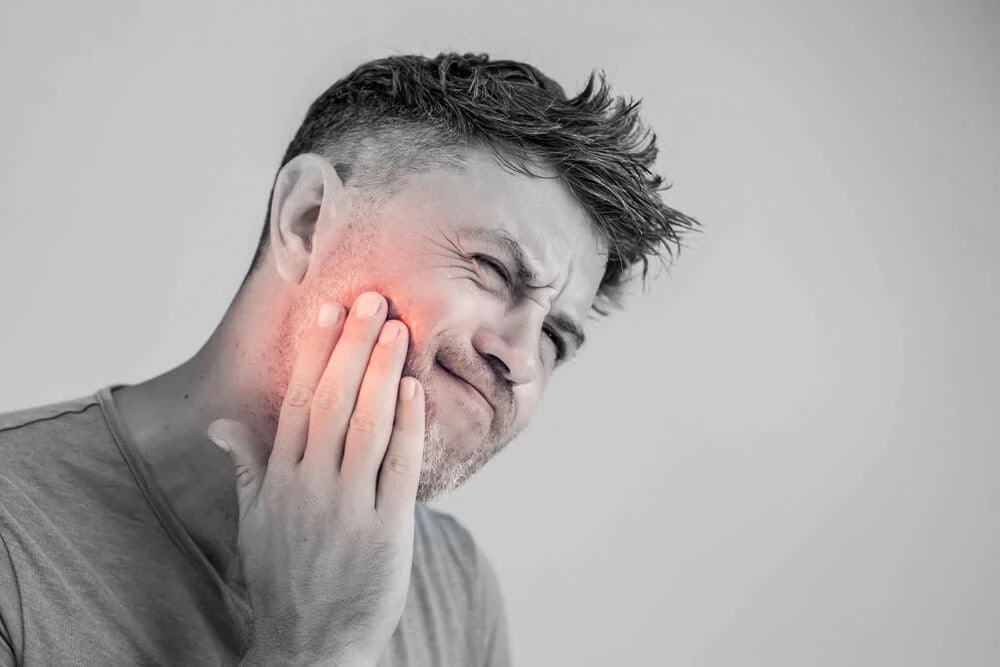
A sore jaw after an impact—like a fall, punch, or sports injury—can make it hard to eat, talk, or even yawn. While many jaw injuries are minor and heal on their own, knowing how to treat a sore jaw properly at home can ease discomfort and help prevent further irritation. Here’s what you can do, and when to seek medical attention for something more serious.
What Causes Jaw Pain After Trauma?
Your jaw is made up of bone, muscle, and the temporomandibular joint (TMJ), which controls movement. When trauma strikes, it can result in:
- Bruising or swelling of the soft tissue
- Jaw strain or sprain from forceful movement
- TMJ irritation
- In some cases, a fracture or dislocation
Minor injuries are usually sore but manageable at home. Here’s how to tell the difference and treat it safely.
Home Remedies to Relieve Jaw Pain
1. Apply a Cold Compress (First 24–48 Hours)
- Wrap an ice pack or frozen peas in a cloth
- Apply to the jaw for 15–20 minutes at a time, every 1–2 hours
- Helps reduce swelling and numb pain
2. Switch to Warm Compresses (After 48 Hours)
- Use a warm, damp towel on the area to relax tight muscles
- Helps relieve stiffness and improve circulation
3. Take Over-the-Counter Pain Relievers
- Use ibuprofen or acetaminophen as directed to manage pain and reduce inflammation
- Avoid aspirin if there’s any bleeding
4. Eat Soft Foods
- Stick to smoothies, soups, yogurt, mashed potatoes, or eggs
- Avoid chewy, crunchy, or hard foods that strain your jaw
5. Limit Jaw Movement
- Don’t chew gum, clench your teeth, or talk excessively
- Rest your jaw as much as possible to aid recovery
6. Use Gentle Jaw Stretches (After Pain Decreases)
- Slowly open and close your mouth
- Move your jaw side-to-side with minimal pressure
- Stop if any movement worsens your pain
When to Seek Urgent Care
You should visit urgent care or a provider if:
- The pain is severe or worsening
- You notice difficulty opening or closing your mouth
- Your bite feels different or jaw seems misaligned
- There’s numbness, tingling, or pain radiating to the ear
- You heard a pop or crack during the injury
- You can’t chew or speak without sharp pain
- Swelling doesn’t improve after 48 hours
A medical provider can assess whether there’s a fracture, TMJ damage, or other injury that needs further treatment.
What Not to Do
- ❌ Don’t try to force your jaw open or closed
- ❌ Don’t sleep on the injured side of your face
- ❌ Don’t delay care if symptoms worsen—early treatment is key
- ❌ Don’t eat tough meats, chips, or nuts until healed
If symptoms get worse or don’t improve, visit your local urgent care provider for professional evaluation.
Hey Did You Know We Have an IV Therapy Spa Inside? Check out our drip menu!
bruised jawcold compress for jawface pain after impactfacial injury careibuprofen for jaw painjaw injury home carejaw movement limitjaw pain remediesjaw rest tipsjaw swellingjaw traumamouth injurysoft food for jaw painsore jaw after fallswollen jaw treatmentTMJ pain reliefurgent care for jaw injurywarm compress for stiffnesswhen to seek care



















