If you've recently had a potential exposure to a sexually transmitted disease (STD) or sexually transmitted infection (STI), it’s natural to feel anxious about getting tested. Understanding when to get tested for an STD after …
How Soon After Exposure Can I Get Tested for an STD?
June 5, 2025
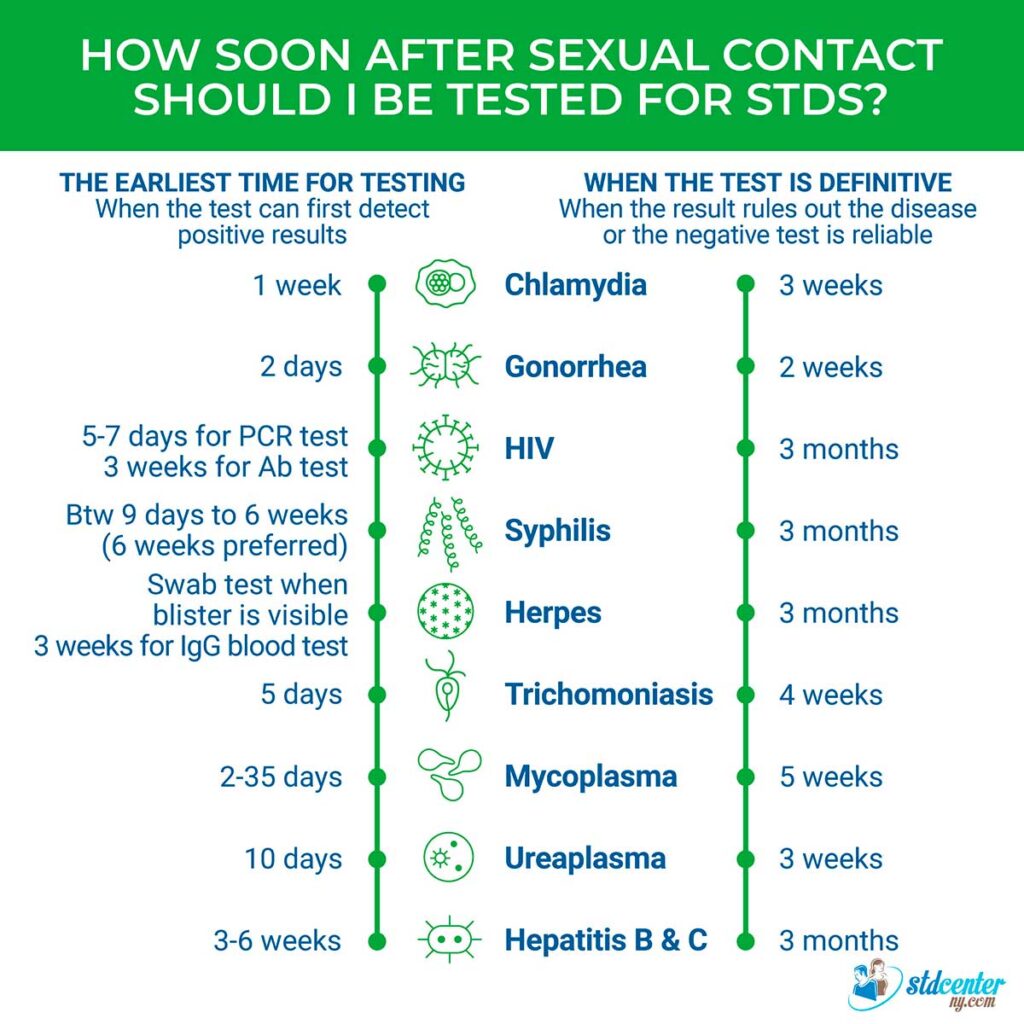
If you’ve recently had a potential exposure to a sexually transmitted disease (STD) or sexually transmitted infection (STI), it’s natural to feel anxious about getting tested. Understanding when to get tested for an STD after exposure is crucial for both your peace of mind and your health. While some tests can detect infections almost immediately, others may require a waiting period to ensure accurate results.
In this article, we’ll explain how soon you can get tested for common STDs and STIs after exposure, what to expect during testing, and why timing matters.
Why Timing Matters for STD Testing
The reason timing plays such an important role in STD testing is that different infections have different incubation periods. The “incubation period” refers to the time between exposure to the infection and the point when it can be detected by a test. If you test too soon after exposure, you may get a false negative, meaning the test might not detect the infection even if you have it.
Testing too early can lead to unnecessary anxiety and a false sense of security. Conversely, testing at the right time can give you peace of mind and help catch infections early when they’re easiest to treat.
When to Get Tested for Common STDs and STIs
1. Chlamydia and Gonorrhea (Bacterial Infections)
- Window for Testing: 2–5 days after exposure
- What You Need to Know: Both chlamydia and gonorrhea can often be detected within a few days of exposure, but it’s best to wait at least 2–5 days after sexual contact to ensure accurate results. These infections are commonly tested with a urine sample or a swab from the genital area. If you test too early, you may not have enough bacteria in your system for the test to pick up.
2. Syphilis (Bacterial Infection)
- Window for Testing: 3 weeks after exposure
- What You Need to Know: Syphilis typically develops in stages, with a primary sore appearing at the site of infection (often genital, anal, or oral) within 10–90 days after exposure. The infection can be detected through a blood test or a swab from the sore. It’s best to wait at least 3 weeks after exposure before testing, as this allows enough time for the bacteria to show up in the blood.
3. Herpes Simplex Virus (HSV) (Viral Infection)
- Window for Testing: 2–12 days after a visible outbreak; 3 weeks after exposure (blood test)
- What You Need to Know: Herpes is often diagnosed based on visible symptoms, like sores or blisters, which can appear anywhere from 2 to 12 days after exposure. If you notice symptoms, it’s a good idea to get tested right away. If there are no symptoms, a blood test can detect herpes antibodies, but it may take up to 3 weeks after exposure for antibodies to develop in detectable amounts.
4. Human Papillomavirus (HPV) (Viral Infection)
- Window for Testing: 2 weeks to several months
- What You Need to Know: HPV testing is not routinely done in men but is available for women as part of a Pap smear or HPV test. The virus can remain dormant for years, and there may be no symptoms for a long time. If you’re worried about HPV after exposure, your healthcare provider may recommend a Pap smear or HPV DNA test for women or an examination for visible genital warts.
5. HIV (Viral Infection)
- Window for Testing: 2–4 weeks after exposure (with an HIV RNA test); 3 months for an antibody test
- What You Need to Know: HIV can be detected as early as 2–4 weeks after exposure using an HIV RNA test, which looks for the virus itself. However, the more common HIV test, which looks for antibodies in the blood, may take up to 3 months to show accurate results. If you’re at risk of exposure, consider getting tested right away, and then follow up at the 3-month mark for a conclusive result.
6. Hepatitis B and C (Viral Infections)
- Window for Testing: 4–6 weeks after exposure
- What You Need to Know: Hepatitis B and C can take several weeks to show up in the blood. It’s recommended to wait about 4 to 6 weeks after potential exposure before getting tested. The most common tests for these infections are blood tests that measure the presence of the virus or antibodies.
What to Expect During Testing
When you go to a healthcare facility, such as Miami Beach Urgent Care, you’ll be asked a few questions about your recent sexual activity to help determine which tests are appropriate. The testing process will vary depending on the infection, but it generally involves one or more of the following:
- Urine sample
- Swabs from the genital, anal, or oral area
- Blood tests
Many clinics offer discreet testing, ensuring your privacy is protected. You’ll typically receive your results within a few days, and the medical staff will go over the results with you and discuss next steps.
Need Fast, Discreet Testing in Miami Beach?
If you’ve had a potential exposure to an STD or STI and need testing, Miami Beach Urgent Care is here to help. Our team offers quick and discreet testing for a variety of STDs and STIs. Call us today at +1 305-344-2273 to book an appointment or walk in for testing. Protect your health and your peace of mind by acting promptly.
beach medical helpbeachside medical clinicdehydration treatment Miamiemergency clinic Miami BeachER alternative Miamifast care South Floridafood poisoning clinicheat exhaustion Miami Beachjet lag recovery IVkid-friendly urgent careMiami Beach health tipsMiami Beach local doctorMiami nightlife recoveryquick STD testing Miamiquick X-rays MiamiSouth Beach flu seasonsports injury Miami Beachsunburn treatment Miamiurgent care for travelerswound care clinic