Toddlers love to explore, often barefoot or in sandals, which makes their feet especially prone to splinters from wooden decks, playgrounds, or garden areas. Removing a splinter from a wiggly toddler’s foot can be challenging, …
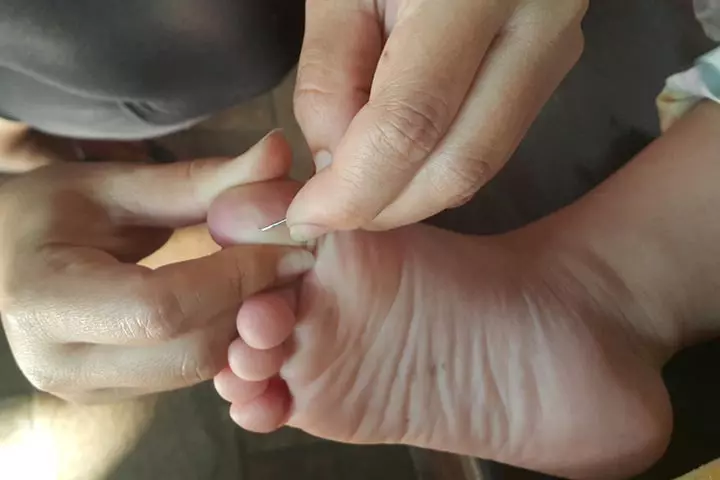
Gentle Ways to Remove a Splinter from Your Toddler’s Foot
July 3, 2025
Toddlers love to explore, often barefoot or in sandals, which makes their feet especially prone to splinters from wooden decks, playgrounds, or garden areas. Removing a splinter from a wiggly toddler’s foot can be challenging, but with patience and the right method, most splinters can be handled safely at home.
Here’s a step-by-step guide to gently removing a splinter from your toddler’s foot without added fuss.
Step 1: Prepare a Calm and Comfortable Space
Before starting, make sure both you and your toddler are ready.
- Choose a quiet, well-lit area where your child feels secure, such as sitting on your lap or a cozy chair
- Gather supplies: clean tweezers, rubbing alcohol, warm water, mild soap, cotton balls, and a small adhesive bandage
- Use comforting words to explain the process in simple terms (“We’re going to take out a tiny stick from your foot so it feels better”)
- If possible, have a second adult nearby to help hold or distract your toddler gently
Setting a relaxed tone helps reduce anxiety and resistance.
Step 2: Clean the Foot Thoroughly
Before removal, wash your toddler’s foot carefully to minimize infection risk and make the splinter easier to see.
- Use warm water and mild soap to clean the area around the splinter
- Pat dry gently with a clean towel or cloth
- Avoid harsh antiseptics at this stage as they can sting and upset your child
A clean surface is essential for safe and effective removal.
Step 3: Assess the Splinter’s Position
Look closely to understand the splinter’s location:
- Is the splinter sticking out of the skin or just under the surface?
- Is it shallow or deeply embedded?
- Is the area swollen, red, or painful beyond the usual?
This assessment helps determine the safest removal technique.
Step 4: Try the Tape Method for Surface Splinters
For very shallow splinters on the foot:
- Press a piece of clear medical tape firmly over the splinter
- Pull it away slowly in the direction the splinter entered
- Repeat if necessary
This painless method often works well for toddlers who may fear tweezers.
Step 5: Use Tweezers for Partially Visible Splinters
If the splinter protrudes from the skin:
- Sterilize a pair of tweezers with rubbing alcohol
- Hold your toddler’s foot gently but firmly
- Pull the splinter out slowly, following the angle it entered
- Avoid squeezing the skin, which can push the splinter deeper
Distraction tools like a favorite toy or song can help keep your child calm during this step.
Step 6: Clean and Protect the Foot After Removal
Once the splinter is removed:
- Wash the area again with soap and water
- Apply a small amount of antibiotic ointment to reduce infection risk
- Cover with a breathable adhesive bandage, especially if your toddler will be walking barefoot or in shoes soon
- Praise and comfort your child, reinforcing that they handled the situation well
Proper care helps the area heal quickly.
When to Seek Medical Care
Visit urgent care if:
- The splinter is deeply embedded and can’t be removed at home
- The foot becomes increasingly red, swollen, warm, or painful
- There’s discharge or signs of infection
- Your toddler has an outdated tetanus vaccination
- The splinter is near sensitive areas such as between toes or under toenails
Professionals can safely remove difficult splinters and provide treatment if infection occurs.
What to Avoid During Splinter Removal
- Don’t attempt removal if your toddler is struggling excessively; try to soothe and try again later
- Avoid using unsterile tools or household items without cleaning first
- Never dig aggressively or push the splinter deeper
- Don’t leave broken splinter fragments inside—this can cause infection or irritation
Patience and gentleness are key to successful removal.
If symptoms worsen or don’t improve, visit your local urgent care provider for professional evaluation.
Hey Did You Know We Have an IV Therapy Spa Inside? Check out our drip menu!
calm child medicalchild foot injuryfirst aid splinter toddlerfoot injury toddlergentle splinter removalhome care toddler injuriesminor wounds childparenting health tipspediatric first aidsafe home remediessplinter in foot toddlersplinter infection signssplinter pain relieftape splinter removaltoddler foot caretoddler splinter removaltweezers toddler splinterurgent care for kidswound care toddler