
Small cuts are a part of everyday life—shaving, cooking, gardening, or even just bumping into a sharp object can leave you with a break in the skin. While most of these minor injuries don’t require …
How to Care for Minor Cuts at Home (and When to See a Doctor)
July 3, 2025
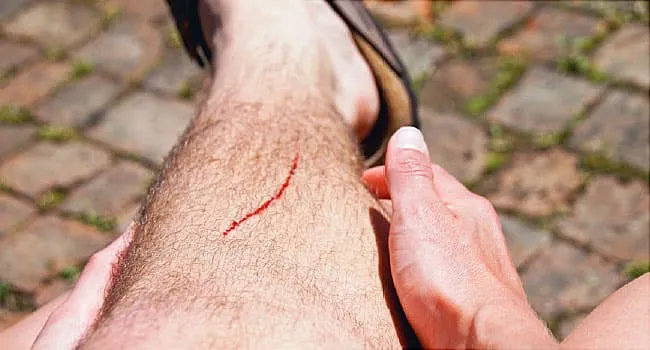
Small cuts are a part of everyday life—shaving, cooking, gardening, or even just bumping into a sharp object can leave you with a break in the skin. While most of these minor injuries don’t require a doctor’s visit, how you care for them at home can make a big difference in how quickly and safely they heal.
Here’s a clear and simple guide to managing small cuts on your own—and how to know when professional medical attention is needed.
Step 1: Wash Your Hands Before Touching the Cut
The first step in treating any open skin is preventing infection. Before cleaning the cut, make sure your hands are washed thoroughly with warm water and soap. If you’re helping someone else, gloves can offer additional protection and keep the area clean.
Step 2: Stop the Bleeding
Most small cuts will stop bleeding within a few minutes. If the bleeding continues, gently press a clean cloth, paper towel, or sterile gauze against the wound. Apply steady pressure and avoid lifting to check too soon.
Elevating the affected area above heart level may also help reduce bleeding. If it continues after 10 minutes of pressure, seek medical care.
Step 3: Rinse the Cut with Clean Water
Once the bleeding has slowed or stopped, rinse the cut under cool running water to remove dirt and bacteria. Avoid using hydrogen peroxide or rubbing alcohol, as these can irritate the skin and delay healing.
Use gentle, unscented soap around the cut (not directly in it) to cleanse the surrounding skin. Pat the area dry with a clean towel or gauze.
Step 4: Apply a Thin Layer of Ointment
After the wound is dry, use an over-the-counter antibiotic ointment to keep the skin moist and help prevent infection. This also reduces the chance of scabbing and may promote faster healing. If you’re sensitive to antibiotic products, petroleum jelly is a safe alternative.
Step 5: Cover the Cut
Keeping a cut covered can protect it from bacteria and irritation. Use a small adhesive bandage or sterile gauze and tape, depending on the cut’s size and location. Change the dressing once or twice a day, or whenever it becomes dirty or wet.
Allowing the wound to stay slightly moist under the bandage often results in a quicker and smoother recovery.
Step 6: Keep an Eye on Healing
In the days following the injury, watch how the cut responds. Most minor skin breaks will start forming a protective layer within a day or two and continue to close up over the next week.
You should seek medical help if you notice:
- Spreading redness around the area
- Warmth or swelling that worsens
- Pus or cloudy discharge
- Increasing pain or a throbbing sensation
These could indicate an infection that may need prescription medication.
When a Small Cut Isn’t So Minor
Sometimes, what looks like a simple cut may actually require stitches or other medical care. Go to urgent care if:
- The cut is deeper than it appears
- The skin won’t close together
- You can see fat, tendon, or muscle tissue
- The wound is located on the face, hands, or near a joint
- It was caused by a dirty object, metal, or glass
- Bleeding doesn’t stop after consistent pressure
Also, check your tetanus vaccination status—if it’s been over 5 years, you may need a booster.
Extra Tips to Support Healing
- Avoid touching or scratching the area as it heals
- Refrain from soaking the wound in water until the skin closes
- Once the skin heals, apply sunscreen over the spot to reduce scarring
- Maintain a clean environment to prevent bacteria from entering the cut
Small injuries often heal without trouble, but it’s important to treat them with care to avoid infection and minimize discomfort.
If symptoms get worse or don’t improve, visit your local urgent care provider for professional evaluation.
Hey Did You Know We Have an IV Therapy Spa Inside? Check out our drip menu!



















