
In today’s fast-paced world, quick and accurate diagnosis of illnesses is more important than ever. Rapid testing has become a crucial tool in healthcare, allowing patients and providers to identify infections and medical conditions swiftly …
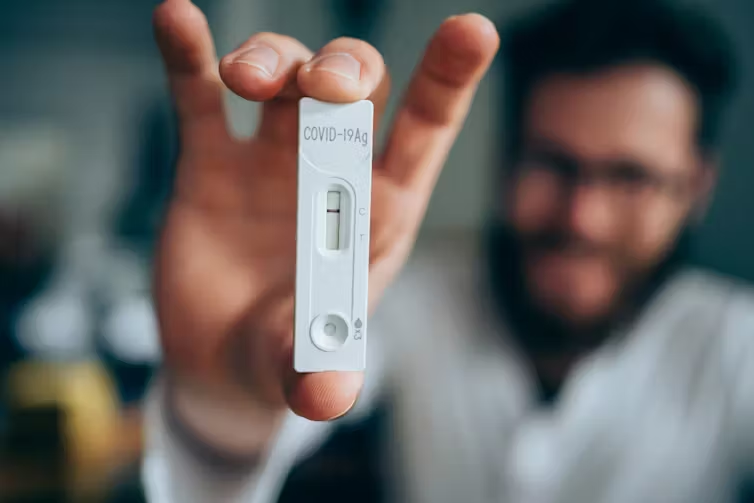
Importance of Rapid Testing for Illness
June 5, 2025
In today’s fast-paced world, quick and accurate diagnosis of illnesses is more important than ever. Rapid testing has become a crucial tool in healthcare, allowing patients and providers to identify infections and medical conditions swiftly and begin treatment without delay. From viral infections like COVID-19 and influenza to common bacterial infections, rapid tests play a vital role in managing health and preventing the spread of contagious diseases.
What Is Rapid Testing?
Rapid testing refers to diagnostic tests that provide results in a short time—often within minutes to a few hours—compared to traditional lab tests that can take days. These tests typically require a simple sample, such as a nasal or throat swab, saliva, or blood, and use advanced technology to detect the presence of pathogens or biomarkers indicating illness.
Why Rapid Testing Matters
1. Early Diagnosis Leads to Better Outcomes
The sooner a health condition is identified, the sooner treatment can start. Rapid testing enables healthcare providers to confirm infections quickly, which can be critical in reducing symptoms, preventing complications, and speeding up recovery.
For example, early detection of influenza means antiviral medications can be prescribed within the first 48 hours for maximum effectiveness. Similarly, rapid COVID-19 tests have helped control outbreaks by allowing infected individuals to isolate promptly.
2. Reduces Spread of Infectious Diseases
Rapid tests are essential in curbing contagious illnesses. Quick diagnosis helps individuals take timely precautions—such as isolation, contact tracing, or starting treatment—which limits transmission to others. This is especially important in settings like schools, workplaces, and healthcare facilities.
3. Convenient and Accessible
Many urgent care centers, clinics, and pharmacies offer rapid testing with minimal wait times. This convenience encourages more people to get tested, even if they have mild symptoms or possible exposure. Faster access to testing means fewer missed work or school days and less anxiety for patients waiting on results.
4. Supports Public Health Efforts
Widespread rapid testing is a powerful tool for monitoring and controlling outbreaks. Data collected from tests can inform public health decisions, identify hotspots, and guide vaccination and prevention campaigns.
Common Types of Rapid Tests
- Rapid Antigen Tests: Often used for respiratory viruses like COVID-19 and influenza. These tests detect viral proteins and provide results in 15 to 30 minutes.
- Rapid Strep Tests: Diagnose streptococcal throat infections quickly, allowing immediate treatment to avoid complications.
- Rapid Flu Tests: Detect influenza viruses to initiate timely antiviral therapy.
- Rapid Blood Tests: Can identify conditions such as strep throat or certain infections through a small blood sample.
When Should You Consider Rapid Testing?
- If you experience symptoms of infectious illnesses such as fever, cough, sore throat, body aches, or shortness of breath.
- After known exposure to someone diagnosed with an infectious disease.
- Before attending events or gatherings where screening is required.
- When you need quick answers for travel, work, or school requirements.
What to Expect at an Urgent Care Rapid Testing Visit
At an urgent care center, rapid testing is efficient and patient-friendly. After a brief evaluation, a trained healthcare professional will collect your sample and process the test onsite. Most results are available during the same visit, allowing immediate consultation and treatment planning.
If the test is positive, your provider will discuss next steps, including isolation guidelines, medications, or referrals if necessary. If negative but symptoms persist, further testing or evaluation might be recommended.
The Bottom Line
Rapid testing is a game-changer in healthcare. It provides quick answers, supports early intervention, and plays a critical role in protecting communities from the spread of illness. Whether you’re feeling under the weather or need a test before an event, rapid testing at urgent care can give you peace of mind and timely care.
If you think you need rapid testing or have symptoms of an illness, don’t wait—call 305-344-CARE (2273) to schedule your visit or walk into your nearest urgent care center for fast, reliable testing.
beach medical helpbeachside medical clinicdehydration treatment Miamiemergency clinic Miami BeachER alternative Miamifast care South Floridafood poisoning clinicheat exhaustion Miami Beachjet lag recovery IVkid-friendly urgent careMiami Beach health tipsMiami Beach local doctorMiami nightlife recoveryquick STD testing Miamiquick X-rays MiamiSouth Beach flu seasonsports injury Miami Beachsunburn treatment Miamiurgent care for travelerswound care clinic



















