At first glance, getting an IV and having your blood drawn might seem very similar—a needle goes into your vein, right? But while the process might look alike, the purpose, sensation, and experience are actually …
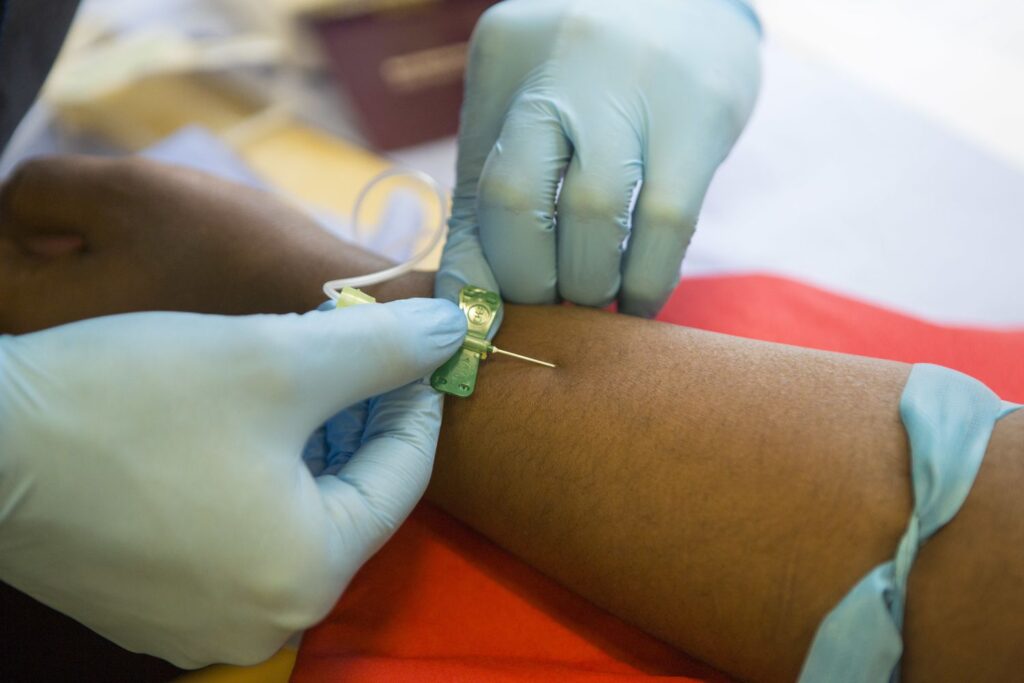
Is getting an IV like getting blood drawn?
July 8, 2025
At first glance, getting an IV and having your blood drawn might seem very similar—a needle goes into your vein, right? But while the process might look alike, the purpose, sensation, and experience are actually quite different.
Let’s break down how the two procedures compare, and what you can expect with each.
1. The purpose is different
An IV (intravenous line) is used to deliver fluids or medication into your bloodstream. A blood draw (venipuncture) is done to collect blood for testing or lab work.
- IVs stay in your vein for a longer period (minutes to hours)
- Blood draws are quick and over once the blood is collected
2. The needle setup is different
- For a blood draw, a needle is inserted into the vein, and blood is collected into tubes. The needle is then removed.
- For an IV, a needle is used briefly to insert a soft plastic catheter into the vein. Once the catheter is in place, the needle is removed, and the catheter stays in to allow for ongoing treatment.
This means the IV process may feel slightly longer than a standard blood draw.
3. What it feels like
Both procedures involve a quick needle stick, but people often describe them this way:
- Blood draw:
- A sharp pinch or sting
- Pressure as blood flows into the tube
- Over in less than a minute
- IV insertion:
- A similar pinch or sting at first
- Some feel a brief pressure or warmth as fluids start to flow
- After insertion, you may feel tightness or tugging if you move your arm
IVs generally involve more setup, but should not continue hurting once they’re in properly.
4. Which one is more uncomfortable?
That depends on:
- Your vein size and placement
- How experienced the provider is
- Whether you’re well hydrated
- Your sensitivity to needles
Most people say neither procedure is overly painful, though blood draws are usually faster and over before you know it. IVs may cause mild irritation if they’re in place for a while or if you move your arm frequently.
5. Aftercare differences
- After a blood draw, you’ll have a bandage over the small puncture and may feel a tiny bruise.
- After an IV, once the catheter is removed, the area may be slightly sore or show a small bump for a day or two.
Both typically heal quickly without complications.
Final thought
Getting an IV and having blood drawn might feel similar at the start, but they serve different purposes and use slightly different techniques. A blood draw is faster, while an IV gives ongoing access to your bloodstream. In both cases, experienced providers work to make the process as quick and comfortable as possible.
If symptoms get worse or don’t improve, visit your local urgent care provider for professional evaluation.
Hey Did You Know We Have an IV Therapy Spa Inside? Check out our drip menu!
blood test discomfortcomparison of iv and blood drawdifference between blood draw and ivdoes iv hurt more than blood drawdrawing blood proceduregetting an iv for first timeis iv like a blood drawiv catheter vs needleiv drip vs lab testiv insertion experienceiv vs blood drawpain from blood drawurgent care blood workvenipuncture vs ivwhat does getting an iv feel likewhat to expect with iv