
In the ever-evolving world of weight loss medications, two injectable drugs—Ozempic and Mounjaro—have quickly risen to the top of the conversation. Both belong to the class of medications known as GLP-1 receptor agonists, which help …
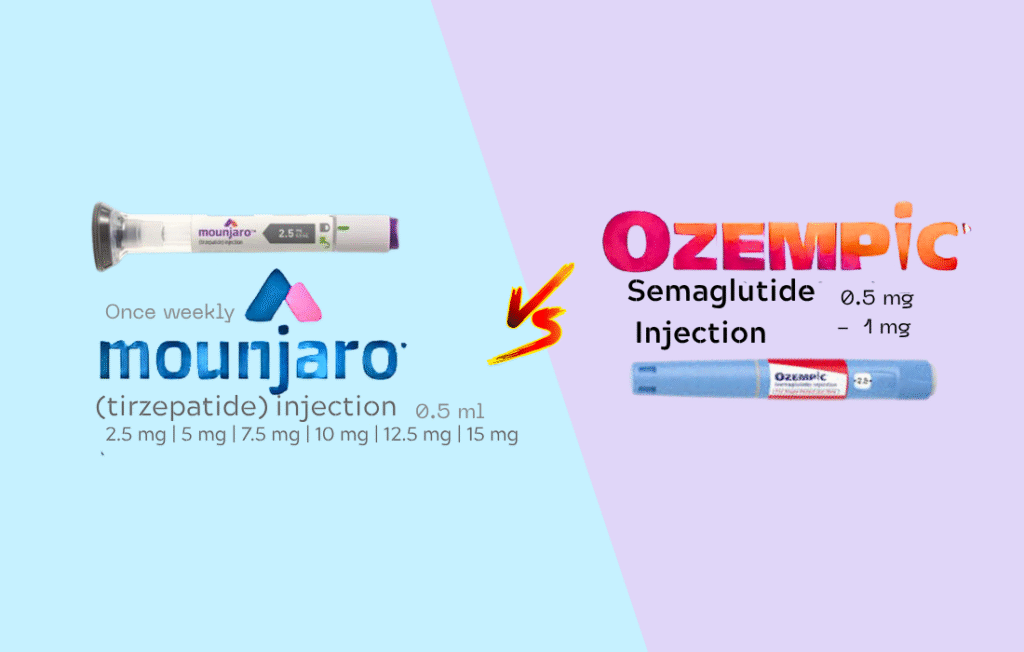
“Ozempic vs. Mounjaro: Which GLP-1 Is Better for Weight Loss?”
June 5, 2025
In the ever-evolving world of weight loss medications, two injectable drugs—Ozempic and Mounjaro—have quickly risen to the top of the conversation. Both belong to the class of medications known as GLP-1 receptor agonists, which help regulate appetite and promote weight loss. But when it comes to shedding pounds effectively, which one is better?
Let’s dive into the key differences, similarities, and what the latest research says about Ozempic vs. Mounjaro for weight loss.
Understanding Ozempic and Mounjaro
Ozempic (semaglutide) and Mounjaro (tirzepatide) were originally developed to treat type 2 diabetes. Both medications work by mimicking natural hormones that help regulate blood sugar, reduce appetite, and extend feelings of fullness.
- Ozempic: Primarily used for managing type 2 diabetes, but it has also been found to aid weight loss. Its active ingredient, semaglutide, suppresses appetite and helps regulate insulin.
- Mounjaro: A newer medication that not only targets GLP-1 but also activates another hormone called GIP. This dual action is thought to enhance feelings of fullness even more.
Which One Is More Effective for Weight Loss?
According to recent clinical studies and real-world data, Mounjaro appears to deliver greater average weight loss than Ozempic.
- Mounjaro: In clinical trials, people using tirzepatide lost an average of 20% of their body weight over 72 weeks.
- Ozempic: Users reported around 14.9% reduction in excess body weight over 68 weeks.
A study published in JAMA Internal Medicine also found that patients taking Mounjaro lost significantly more weight than those on Ozempic under real-world conditions.
Why Might Mounjaro Work Better?
Experts suggest that Mounjaro’s dual hormone action (GLP-1 and GIP) might explain its superior performance. According to Dr. Ken Fujioka, an endocrinologist at Scripps Clinic, “You have two satiety hormones versus one,” which can lead to greater appetite suppression.
However, it’s worth noting that the dose of Ozempic used in some studies was lower than the maximum approved dose (2mg weekly), which might have affected its performance.
Are There Differences in Side Effects?
Both Ozempic and Mounjaro share similar side effects:
- Common: Nausea, vomiting, diarrhea, decreased appetite, constipation, and abdominal discomfort.
- Serious (rare): Pancreatitis, gallbladder disease, and a theoretical risk of thyroid tumors (based on animal studies, but not confirmed in humans).
Overall, both medications have shown strong safety profiles in clinical trials, with side effects typically mild and temporary.
Who Can Use These Medications?
- Mounjaro: Approved in the UK and elsewhere for chronic weight management in adults with obesity (BMI ≥30) or those with weight-related health conditions.
- Ozempic: Primarily approved for type 2 diabetes but sometimes prescribed off-label for weight loss in some countries.
Important: Always consult your healthcare provider before starting any weight-loss medication to ensure it’s appropriate for your medical history.
Should You Switch from Ozempic to Mounjaro?
Dr. Fujioka points out that while Mounjaro may be more potent for weight loss, insurance coverage and individual tolerance often determine the choice. Many patients continue with Ozempic successfully.
“If the medication is doing its job and is dosed appropriately, I would see no reason to switch,” he says.
Bottom Line: Which GLP-1 Is Better?
✅ Mounjaro edges ahead with greater average weight loss in clinical trials and dual-hormone activity.
✅ Ozempic remains a highly effective option, especially at higher doses, and has been widely used since 2019.
The best choice ultimately depends on your health, insurance coverage, tolerance to side effects, and your doctor’s guidance. Both medications, when combined with lifestyle changes like improved nutrition and increased physical activity, can help you on your weight-loss journey.
Final Tip
Before starting any medication, have an open discussion with your doctor. They can help you weigh the pros and cons of each option based on your unique health history and goals.
beach medical helpbeachside medical clinicdehydration treatment Miamiemergency clinic Miami BeachER alternative Miamifast care South Floridafood poisoning clinicheat exhaustion Miami Beachjet lag recovery IVkid-friendly urgent careMiami Beach health tipsMiami Beach local doctorMiami nightlife recoveryquick STD testing Miamiquick X-rays MiamiSouth Beach flu seasonsports injury Miami Beachsunburn treatment Miamiurgent care for travelerswound care clinic



















