Thyroid disorders are among the most commonly overlooked chronic health conditions in adults. Despite their wide-reaching effects on energy, metabolism, and mood, many thyroid imbalances remain undiagnosed for years. That’s why routine thyroid screening plays …
Screening for Thyroid Disorders in Adults
July 12, 2025
Thyroid disorders are among the most commonly overlooked chronic health conditions in adults. Despite their wide-reaching effects on energy, metabolism, and mood, many thyroid imbalances remain undiagnosed for years. That’s why routine thyroid screening plays a critical role in adult preventive care.
In this article, we’ll explore who needs thyroid screening, what tests are involved, and how early detection can drastically improve long-term health outcomes.
Why Thyroid Screening Is Crucial
The thyroid gland regulates essential body functions through hormone production. An overactive thyroid (hyperthyroidism) or underactive thyroid (hypothyroidism) can trigger a chain reaction of symptoms—from fatigue and weight changes to depression and cardiovascular issues.
Reasons thyroid screening is important:
- Many symptoms go unnoticed or are misattributed to aging or lifestyle
- Untreated thyroid issues can lead to serious complications like heart disease or infertility
- Early diagnosis allows for effective treatment and improved quality of life
According to clinical estimates, over 20 million Americans have some form of thyroid disease—and up to 60% are unaware of their condition.
Who Should Be Screened?
Thyroid screening is not universally included in standard blood work but is strongly recommended for specific adult populations.
High-risk groups include:
- Adults over age 35, especially women
- Individuals with a personal or family history of thyroid conditions
- People with autoimmune diseases, such as lupus or type 1 diabetes
- Anyone exposed to neck radiation or with a history of thyroid surgery
- Adults experiencing unexplained fatigue, weight fluctuations, or mood changes
Most guidelines recommend thyroid function testing every five years for adults starting at age 35. For high-risk individuals, annual screening may be necessary.
What to Expect During a Thyroid Screening
Screening for thyroid disorders typically involves a quick and simple blood test that measures hormone levels associated with thyroid function.
Common tests include:
- TSH (Thyroid Stimulating Hormone): Primary indicator of thyroid activity
- Free T4 and Free T3: Show how much hormone your thyroid is producing
- Thyroid antibodies: Help diagnose autoimmune thyroid conditions
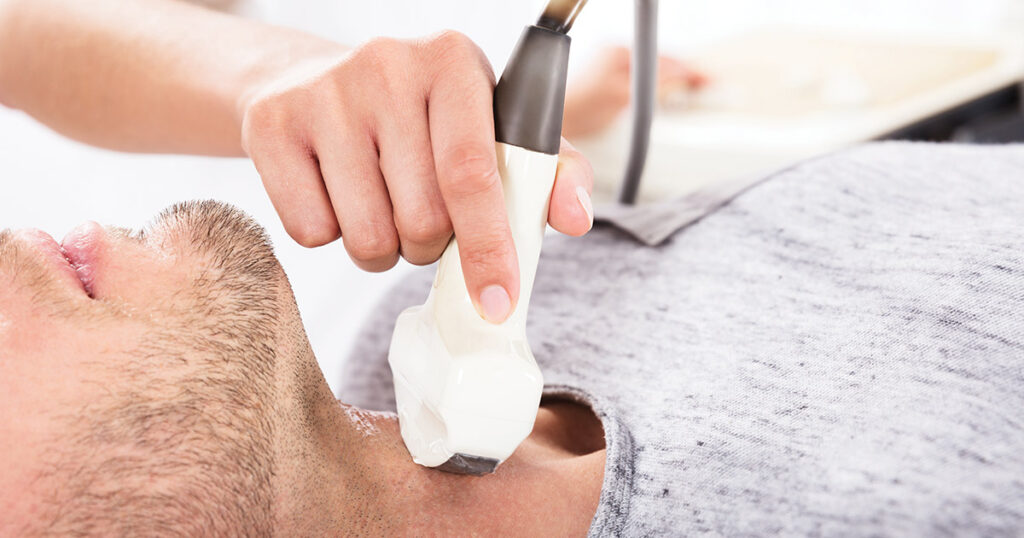
Abnormal results may lead to further diagnostic testing, such as ultrasound imaging or referral to an endocrinologist for a more comprehensive evaluation.
Signs You Shouldn’t Ignore
Even if you’re not part of a high-risk group, it’s important to pay attention to subtle symptoms that may suggest a thyroid imbalance. These can often be dismissed or mistaken for other issues.
Watch for signs like:
- Persistent fatigue, even with adequate rest
- Sudden weight gain or weight loss without dietary changes
- Cold intolerance or heat sensitivity
- Thinning hair or dry skin
- Depression, irritability, or anxiety
- Changes in menstrual cycles or fertility concerns
- Irregular or rapid heartbeat
While these symptoms don’t always point to a thyroid disorder, they warrant a conversation with your healthcare provider.
The Value of Early Detection
“I thought my sluggishness and brain fog were just part of getting older,” says a 45-year-old teacher recently diagnosed with hypothyroidism. “But after my thyroid screening and starting treatment, I feel like I’ve got my life back.”
Real-world cases like this highlight how often people live with undiagnosed thyroid disorders, unaware that effective treatments are available. Early screening can transform outcomes by allowing for timely intervention.
Frequently Asked Questions (FAQs)
How often should thyroid screening be done?
Every five years for adults over 35 is a general guideline. More frequent testing is recommended for those with symptoms or risk factors.
Can thyroid disorders be cured?
While many thyroid disorders are not curable, they are typically manageable with medication and lifestyle changes.
Are thyroid screenings expensive?
Thyroid blood tests are relatively affordable and often covered by health insurance when medically indicated.
Final Thoughts
Thyroid screening is one of the simplest ways to identify hidden health issues before they become serious. Whether you’re experiencing unexplained symptoms or fall into a high-risk group, testing your thyroid function can provide clarity and peace of mind. Don’t wait for complications—prevent them with proactive screening.