
If you’ve ever developed a blister after a bug bite, you know how tempting it can be to pop it. The fluid-filled bubble may look uncomfortable or unsightly, but bursting it isn’t the best solution. …
Dealing with a Bite Blister: Safe Home Care and What to Avoid
July 3, 2025
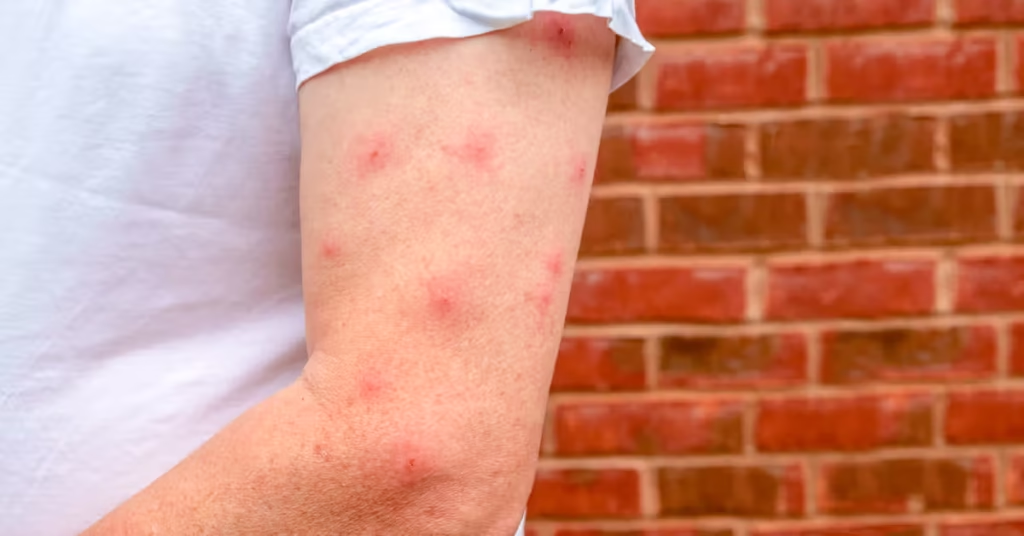
If you’ve ever developed a blister after a bug bite, you know how tempting it can be to pop it. The fluid-filled bubble may look uncomfortable or unsightly, but bursting it isn’t the best solution. In fact, it could turn a minor bite into a bigger problem.
Here’s what causes bite blisters, why popping them is discouraged, and how to treat them properly at home—so you can heal quickly and avoid complications.
What Happens When a Blister Forms After a Bite?
Not all bites lead to blisters, but when they do, it’s usually because your skin is reacting to venom, bacteria, or irritation from the bite. The body forms a fluid-filled sac to protect the injured area underneath and start the healing process.
This bubble is actually a protective layer. It shields raw skin from dirt, friction, and bacteria. That’s why it’s important to leave it alone unless it becomes a problem on its own.
Why You Shouldn’t Pop a Bite Blister
Although it may feel satisfying to relieve pressure or stop the itching by popping a blister, doing so can:
- Introduce bacteria into an open wound
- Increase the risk of infection and scarring
- Delay healing, especially if the area is irritated further
Even if it seems minor, exposing raw skin beneath the blister increases your vulnerability to complications.
Safe Ways to Manage a Bite Blister at Home
Instead of breaking the blister, take the following steps to care for it effectively:
- Clean the Area Gently
Use mild soap and cool water to cleanse the skin around the blister. Avoid scrubbing, and don’t apply harsh antiseptics directly on the blister. - Apply a Cool Compress
Wrap a clean cloth in cold water and hold it against the blister for 10–15 minutes. This can reduce swelling and calm the itching. - Use Over-the-Counter Remedies
Apply anti-itch creams (such as 1% hydrocortisone) or calamine lotion to ease discomfort. Oral antihistamines like diphenhydramine may also help reduce the allergic response. - Cover the Blister If Needed
If the blister is in a spot that gets rubbed by clothing or touched often, loosely cover it with a sterile bandage or gauze. Avoid using adhesive bandages directly on the bubble. - Avoid Scratching
Scratching can break the skin or blister and lead to infection. Trim fingernails if needed and consider wearing light gloves at night if scratching while asleep is a concern.
When Draining May Be Okay
There are rare cases when a blister is large, painful, or causing difficulty with movement. In these cases, you may consider draining it—but only if you follow a clean, cautious process:
- Wash your hands and the area with soap
- Sterilize a needle with alcohol
- Puncture the edge of the blister, not the center
- Let the fluid drain and pat dry with a sterile gauze
- Do not peel away the blister skin
- Apply antibiotic ointment and a clean bandage
- Watch closely for infection over the next few days
If you’re unsure, it’s best to let a healthcare provider handle it.
Signs You Should See a Doctor
Most bite blisters heal within a week with proper care. But contact a medical professional if:
- The blister becomes increasingly red, swollen, or warm
- You notice pus or foul-smelling fluid
- Red streaks spread outward from the site
- You develop a fever or swollen lymph nodes
- The bite was from a venomous spider or unknown insect
- You have underlying health conditions (like diabetes) that may slow healing
Getting help early prevents further complications like cellulitis or abscesses.
Preventing Bite Blisters in the Future
- Use bug spray when outdoors, especially in wooded or grassy areas
- Wear long sleeves and pants during high-insect activity
- Avoid scratching fresh bites—apply ice or antihistamines to reduce itching
- Keep bites clean and dry to reduce irritation
Bite blisters might look concerning, but with the right home care and a little patience, most heal just fine without intervention. Avoid popping, treat symptoms gently, and watch for changes that require medical attention.
If symptoms get worse or don’t improve, visit your local urgent care provider for professional evaluation.
Hey Did You Know We Have an IV Therapy Spa Inside? Check out our drip menu!
avoid scratching blistersbite allergic reactionbite blister carebite blister swellingbite blister treatmentbite wound careblister healing tipsblister home remediesblister infection signsblister pain reliefblister protection tipsblister skin carecalamine lotion bitesdo not pop blistershydrocortisone for bites



















