Blisters that form after an insect bite can look worrisome, especially if they grow or itch intensely. When you see a fluid-filled bubble on your skin, your instinct might be to pop it—just to get …
Bite Blisters: Why Popping Isn’t the Best Option and How to Treat Them Properly
July 3, 2025
Blisters that form after an insect bite can look worrisome, especially if they grow or itch intensely. When you see a fluid-filled bubble on your skin, your instinct might be to pop it—just to get some relief. But when it comes to bite blisters, popping is rarely the right call.
Instead, let’s go over why these blisters form, why popping can lead to trouble, and what you should do to care for them at home safely.
What Is a Bite Blister?
A bite blister develops when your body reacts to a bug bite with more than the usual redness or swelling. Insects like mosquitoes, fire ants, fleas, and spiders can sometimes trigger localized blistering due to:
- Irritating saliva or venom
- Minor allergic responses
- Repeated scratching or friction at the bite site
The blister is filled with clear fluid and acts like a natural bandage. It protects the skin underneath while healing is underway.
Should You Pop a Bite Blister?
No—resist the urge. Popping a blister may feel satisfying at the moment, but here’s what it actually does:
- Exposes sensitive tissue to bacteria and dirt
- Increases infection risk and inflammation
- Slows the healing process by removing your skin’s protective barrier
- Can lead to scarring, especially if the area gets reinjured
Unless the blister is causing serious discomfort or interfering with daily activity, it’s best left alone.
What You Should Do Instead
If you have a blister from a bite, here are the recommended steps for home care:
- Gently wash the area
Use mild soap and lukewarm water. Pat dry—don’t rub. - Apply a cool compress
A clean, damp washcloth or wrapped ice pack can calm itching and swelling. Do this for 10–15 minutes as needed. - Ease the itch
OTC treatments like hydrocortisone cream, calamine lotion, or oral antihistamines can reduce irritation. Follow package directions. - Cover it if necessary
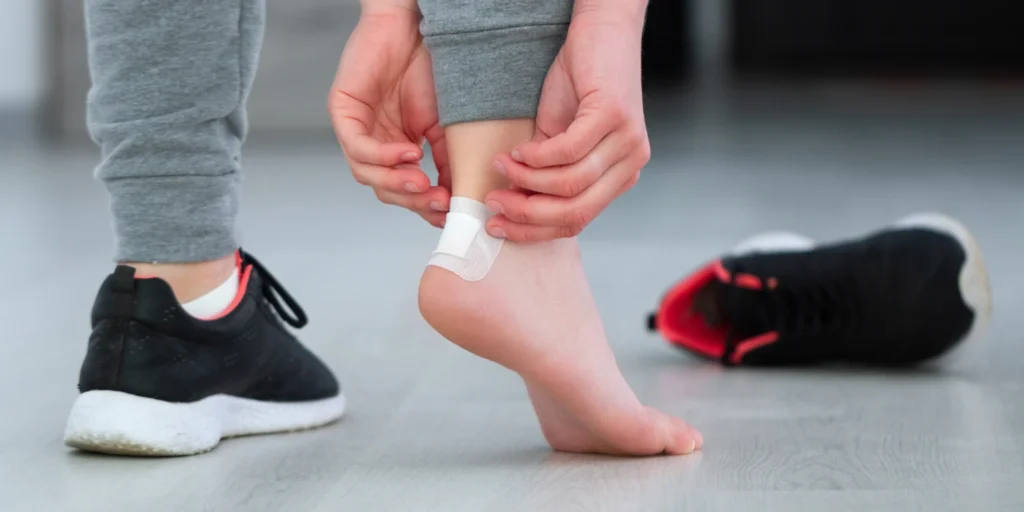
If the blister is in a spot that might get rubbed by clothes or touched often (like on the ankle or hand), loosely cover it with gauze or a sterile bandage. - Hands off!
Scratching the blister risks tearing it open. Keep nails short and clean, and consider using anti-itch cream more frequently if needed.
When Is It Okay to Drain the Blister?
Draining a blister might be an option if:
- It’s large, painful, or interferes with walking or movement
- It feels tight or ready to burst on its own
If you decide to drain it:
- Clean the area thoroughly
- Sterilize a small needle with alcohol
- Puncture the side of the blister—not the center
- Let the fluid drain slowly
- Leave the skin flap in place—it protects the area
- Apply antibiotic ointment and a clean dressing
- Watch closely for signs of infection
Never peel or cut away the skin after draining.
When to Get Medical Help
Most bite blisters are harmless. But see a healthcare provider or visit urgent care if:
- The blister becomes increasingly red, swollen, or warm
- It starts leaking pus or has a foul smell
- You develop a fever or chills
- Red streaks appear around the blister
- You have underlying health conditions (like diabetes or a compromised immune system)
- The bite came from a spider or unknown insect, and symptoms worsen
These could be signs of an infection or a more serious reaction that needs medical attention.
Preventing Bite Blisters in the Future
- Apply insect repellent when outdoors
- Wear long sleeves and pants in wooded or grassy areas
- Treat fresh bites quickly with cold compresses or creams
- Avoid scratching—that’s the most common cause of blistering after bites
Bite blisters can be uncomfortable, but they’re your body’s way of healing. Popping them often leads to unnecessary risk. With the right care, most will heal smoothly on their own.
If symptoms get worse or don’t improve, visit your local urgent care provider for professional evaluation.
Hey Did You Know We Have an IV Therapy Spa Inside? Check out our drip menu!